

The choice that quietly changes your whole week
Most IB English decisions don’t feel dramatic at the start. You’re still reading stories, still annotating, still trying to turn “interesting” into an argument. But choosing SL or HL is one of those quiet decisions that reshapes your routine: how much you read, how often you write, and how deep you’re expected to go when the clock is loud.
If you’re preparing for exams, this guide breaks down the real differences between SL and HL in IB English A (both Literature and Language & Literature) so you can revise with the right expectations.
Quick checklist: SL vs HL in IB English
-
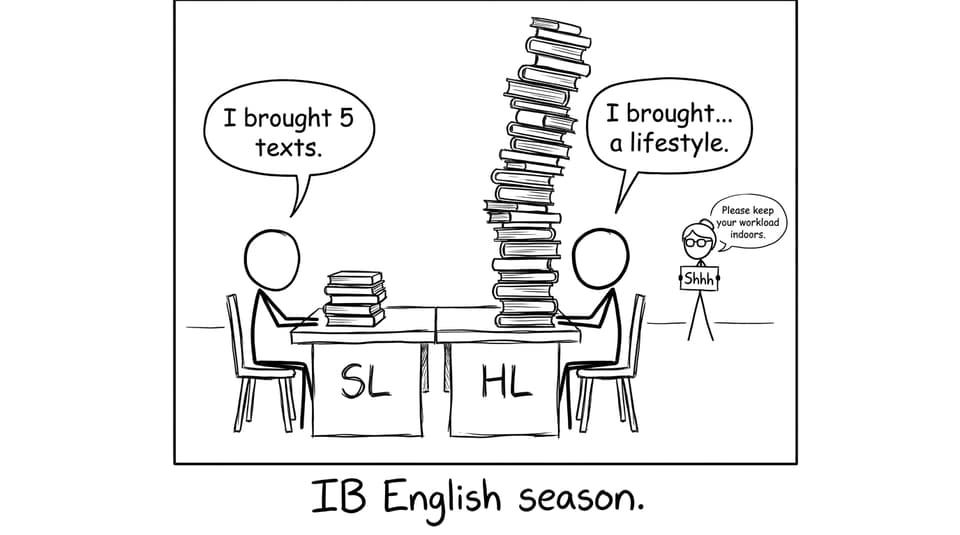
Texts studied: SL typically covers 4--6 works; HL typically covers 6--12 works
-
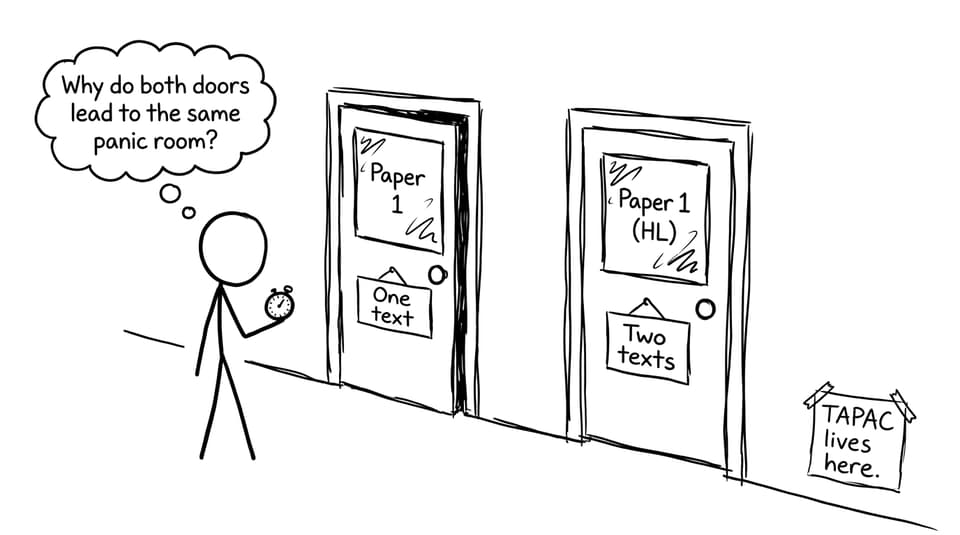
Paper 1: SL analyzes one unseen text; HL compares two unseen texts
-
Paper 2: both write a comparative essay (same broad task, HL usually demands more depth)
-
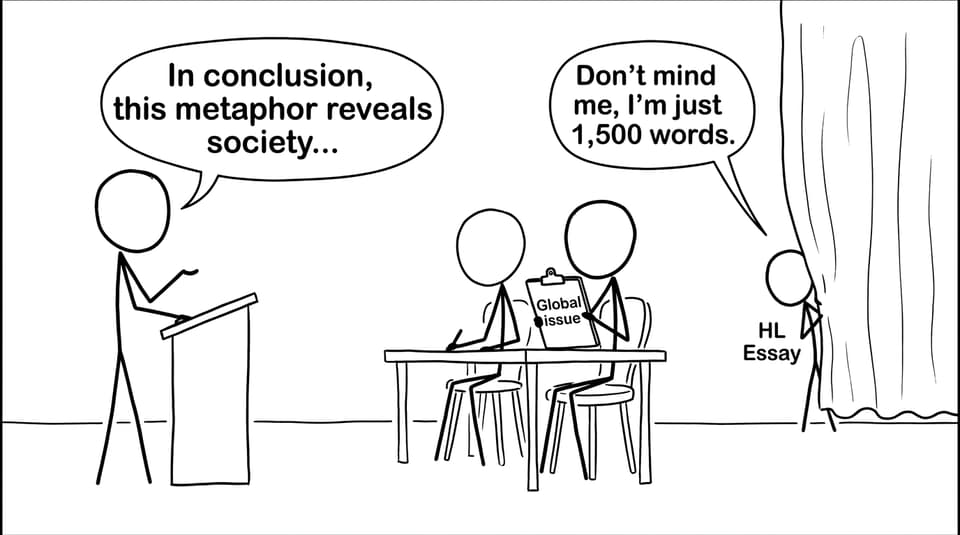
Extra component: HL includes the HL Essay (about 1,200--1,500 words)
-
Expectation: HL is marked with an eye for more sophistication: sharper insight, stronger coherence, more controlled style
For a bigger picture of how the course is built, keep this open: What Is the IB English Curriculum? A Complete Breakdown.
Curriculum scope: reading list and thematic range
The simplest difference is volume. SL students generally work with 4--6 literary works, while HL students handle 6--12. But the more important difference is range. HL often pushes you into more contrasting contexts (time periods, cultures, styles), which makes your comparisons richer but your revision more demanding.
In IB English, breadth isn’t just “more pages.” It’s more opportunities for the examiner to reward flexible thinking: connecting themes across genres, tracking patterns across works, and using context without turning your essay into a history lecture.
If you’re taking Language & Literature, RevisionDojo’s central hub makes it easier to keep everything organised: IB English A Lang & Lit Resources.
Assessments: what actually changes between SL and HL
Paper 1: one text vs two texts
Paper 1 is where the SL/HL split becomes obvious under pressure. SL students analyze one unseen text. HL students compare two unseen texts, which adds a second layer: you’re not just explaining how a text works, you’re explaining how two texts create meaning in different ways.
That means HL planning has to be more structured. Strong HL responses constantly “bounce” between texts (similar method, different effect; same theme, different tone).
For strategy and structure, use:
Paper 2: same paper, different ceiling
Paper 2 is a comparative essay on two works you studied. Both SL and HL do it, but HL students are typically expected to sustain a more ambitious line of argument: cleaner comparisons, more purposeful writer’s choices, and fewer “theme summaries.”
If Paper 2 feels foggy, start here:
And then drill with targeted practice using the IB English Paper 2 Questionbank.
HL Essay: the extra task that changes your timeline
HL adds the HL Essay (around 1,200--1,500 words). It’s not “just another essay.” It forces you to practise sustained, polished analysis without exam adrenaline. The upside is that it can make you a sharper writer for Paper 2. The downside is that it creates a longer to-do list across the year.
RevisionDojo helps by making writing practice repeatable: use Study Notes for technique, Flashcards for quotes and terminology, and AI Chat + Grading tools to tighten your thesis and paragraph control.
Depth and complexity: what examiners notice at HL
In IB English, the marks rarely go to the student who “knows the plot.” They go to the student who explains how the writing creates meaning. HL simply raises the expectation:
-
More precise use of literary and rhetorical terminology
-
More consistent explanation of effect (not just identification)
-
More awareness of context and authorial purpose
If you find your paragraphs drifting, build a reliable structure with Writing Analytical Paragraphs: PEEL Method for IB English A.
Workload and practice: what to do differently in revision season
HL is usually 20--30% more time, but it doesn’t feel like a neat percentage. It feels like extra reading on weeks you already feel full.
A realistic IB English revision system looks like this:
-
Do timed Paper 1 practice weekly (HL should practise comparisons, not two separate mini-analyses)
-
Build Paper 2 comparison tables early (themes + methods + key moments)
-
Turn repeated feedback into Flashcards (so mistakes stop returning)
-
Use Mock Exams and Predicted Papers on RevisionDojo to simulate pressure and pacing
-
Use the Questionbank to practise by skill (analysis, structure, evidence selection)
If you want a single home base for skill practice, start at the IB English A Lang & Lit Questionbank.
Conclusion: choose the level, then revise like you mean it
SL and HL in IB English aren’t separated by talent. They’re separated by load and expectation. SL asks for strong, clear analysis. HL asks for the same skills, but across more works, more writing, and more sustained insight.
If you want a calmer path to higher marks, build your revision ecosystem early: RevisionDojo’s Questionbank, Study Notes, Flashcards, AI Chat, Mock Exams, Predicted Papers, and Grading tools help you practise like it’s measurable. And when you need human guidance, the Coursework Library and Tutors can save weeks of uncertainty.
Keep your next study session simple: pick one Paper 1 practice, one Paper 2 comparison plan, and one skill to improve. Then let IB English consistency do what motivation can’t.