


Satire works like a smile you can’t quite trust. You laugh, then realize the joke is aimed at something you’re standing on: a rule, a system, a comfortable belief. That double-feeling is exactly why satire remains one of literature’s sharpest forms of protest. And in IB English, it’s also one of the fastest routes from plot-level commentary to the kind of evaluative analysis examiners reward.
A satirical text rarely says, “Here is my argument.” Instead, it builds a small world where logic is slightly warped, where hypocrisy is turned up to full volume, where a narrator sounds sincere while quietly dismantling everything they praise. If you can name what the writer targets and track how the humor is engineered, you can turn laughter into a thesis.
Satire in IB English: a quick checklist for exam analysis
Use this when you meet satire in Paper 1, Paper 2, your IO, or even an HL Essay passage.
-
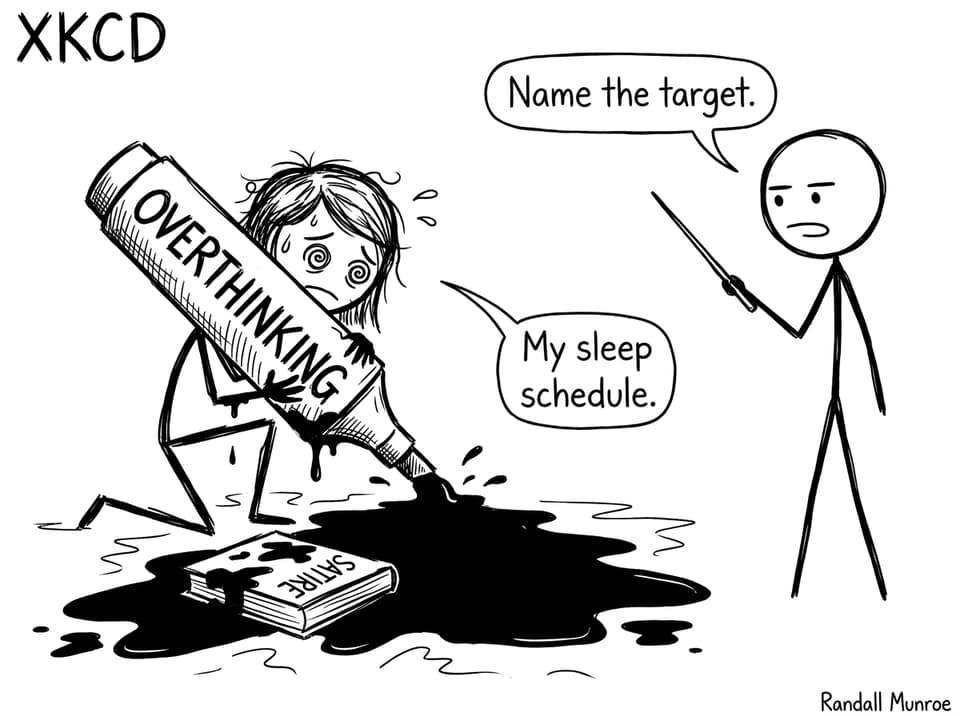
Identify the target (person, institution, ideology, social habit, moral blindness).
-
Spot the tool (irony, exaggeration, parody, understatement, absurdity).
-
Track tone shifts (playful to bitter, light to dark, polite to savage).
-
Notice voice and perspective (who gets mocked, who gets credibility, who is positioned as “normal”).
-
Link technique to purpose: what change in belief, discomfort, or clarity is the writer pushing for?
If you want a syllabus-aligned home base for this kind of practice, start with IB English A Lang & Lit Resources and build a routine from there.
Why satire matters as a tool of protest
Satire is protest that can slip through the door when direct argument gets blocked. It makes critique feel readable: a scene, a character, a punchline. But beneath the humor is a moral design.
In IB English, satire is valuable because it forces you to write about craft. You can’t analyze satire well by summarizing what happens. You have to explain how authorial choices manufacture the gap between appearance and reality. That skill connects neatly to Paper 1 technique-driven writing and to Paper 2 comparison by method.
To strengthen your method quickly, pair this topic with Mastering Literary Devices in IB English Exams so your paragraphs sound precise rather than generic.
Exaggeration: when “too much” reveals the truth
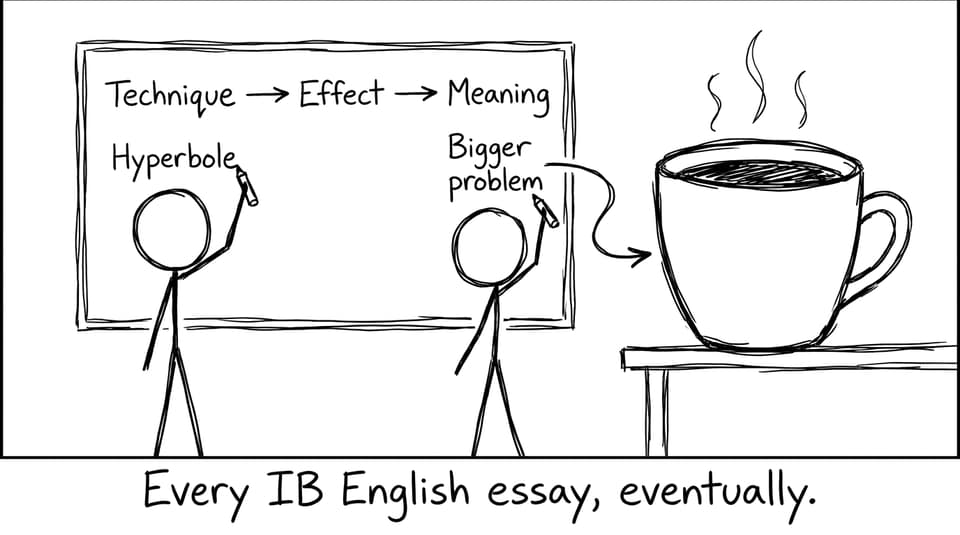
Hyperbole is satire’s volume knob. By pushing a normal behavior into the absurd, the writer exposes the hidden logic underneath it.
In an exam response, don’t just say “the writer exaggerates.” Instead, name what gets inflated and why that matters.
What to write about exaggeration in IB English
-
What is amplified? A rule, a fear, a social performance, a stereotype.
-
How is it amplified? Repetition, escalation, caricature, absurd consequences.
-
What does the amplification reveal? The belief system the society is built on.
This is where RevisionDojo’s Study Notes and Flashcards help: you can drill definitions (hyperbole, parody, bathos, deadpan) until technique words come to you under time pressure.
Irony: the gap that creates critique
Irony is the engine of satirical protest. It’s the space between what is said and what is meant, between what a character believes and what the text quietly shows.
In IB English, strong irony analysis is structured and evidence-based: you identify the “gap,” then explain how diction, structure, or voice creates it, then connect it to the text’s larger social criticism.
For a deeper breakdown (with an exam checklist you can reuse), keep IB English: Literary Irony Forms and Effects open while you practice.
Types of irony that commonly power satire
-
Verbal irony: the speaker sounds sincere, but meaning runs the other way.
-
Situational irony: outcomes contradict the values a society claims to hold.
-
Dramatic irony: the reader sees the system’s ugliness before the characters do.
If you want an additional technique lens, The Use of Irony and Ambiguity in Literature pairs well with satire because ambiguity often keeps the critique “deniable” on the surface.
Caricature and characterization: people as symbols
Satirical characters often feel slightly unreal on purpose. They are built as symbols with one or two traits turned up until you can’t ignore them.
In your IB English analysis, the key is to treat caricature as a deliberate method, not a flaw in realism.
How to analyze satirical characterization
-
Which traits are exaggerated, and which are missing?
-
How does the character become a stand-in for a class, institution, or ideology?
-
What reader reaction is engineered: amusement, contempt, pity, unease?
To sharpen your writing about perspective and credibility, link your thinking to IB English: Narrative Voice and Perspective in Novels. Satire often depends on who gets to narrate and who gets reduced to a punchline.
Structure and tone: how satire tightens the screw
Some satire begins gently, almost charming. Then the tone darkens. The laughter starts to feel like a trap. This structural move matters because it mirrors how social harm often hides inside normal routines.
In IB English, you can score higher by tracking that progression:
-
Where does the text shift from humorous to unsettling?
-
Does the satire escalate (getting more absurd) or deflate (revealing emptiness)?
-
How does pacing or fragmentation mirror a chaotic society?
For tone-specific vocabulary and method, revise with What Is Tone in Literature? | IB English.
How to use satire in Paper 1 and Paper 2 without drifting into summary
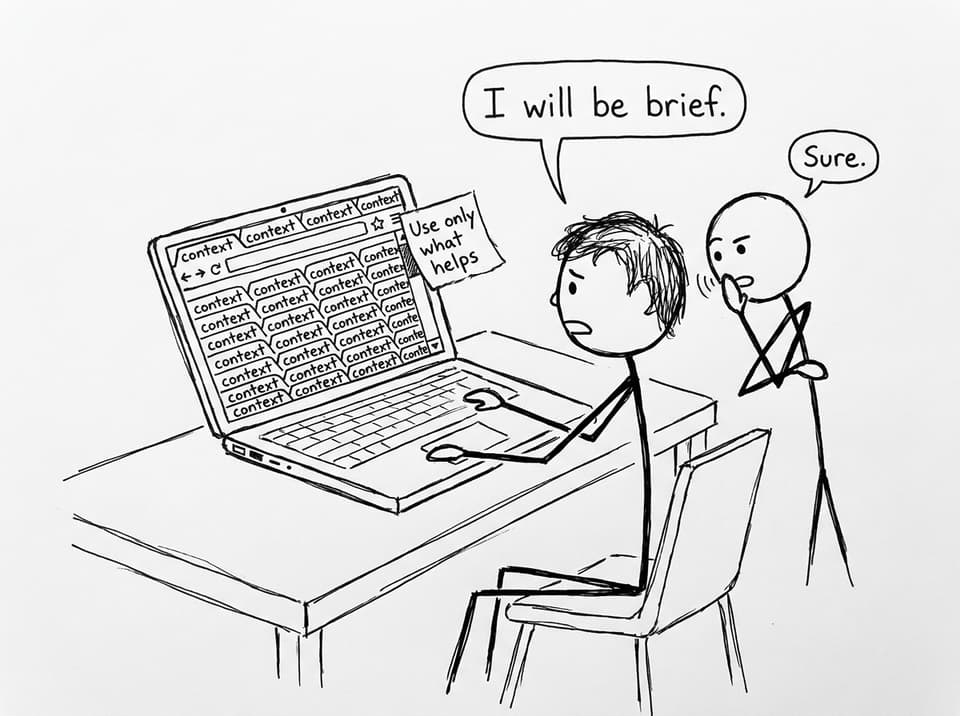
Satire can tempt you into retelling jokes. Examiners don’t reward that. They reward controlled explanation: technique, effect, meaning.
For Paper 1 training, build timed practice with IB English Paper 1 Revision: A Step-by-Step Guide and apply satire as one of your “pattern clusters” (irony + tone + voice).
For Paper 2, satire becomes a comparative advantage because you can compare methods of critique, not just themes. Use How to Approach Comparative Essays in IB English Paper 2 to keep each paragraph comparative and craft-driven.
RevisionDojo makes that loop easier to sustain: drill satirical passages with the Questionbank, write under time using Mock Exams, check your structure with Grading tools, then refine arguments using AI Chat. If you need extra accountability, the Tutors option helps you turn “I understand satire” into consistently higher-scoring writing.
Conclusion: turning laughter into marks
Satire is rarely just entertainment. It’s a literary way of saying, “Look again.” In IB English, your job is to show how that second look is built: exaggeration that reveals a system’s logic, irony that exposes hypocrisy, caricature that turns people into symbols, and structure that moves from lightness to sting.
If you want to practice satire with feedback and momentum, use RevisionDojo’s Questionbank and Study Notes to train technique recognition, Flashcards to lock in terminology, and Grading tools plus AI Chat to turn drafts into exam-ready responses. When exams arrive, you’ll be able to do what satire demands: read calmly, notice the gap, and argue with precision, the core of high-scoring IB English.