Pre-exercise nutrition refers to the food and fluids consumed before physical activity to prepare the body for exercise demands. In IB Sports, Exercise and Health Science (SEHS), this topic helps explain how athletes optimise energy availability, delay fatigue, and support performance.
Eating appropriately before exercise ensures that muscles have access to sufficient fuel and that hydration levels are adequate. Poor pre-exercise nutrition can lead to early fatigue, reduced intensity, and impaired concentration.
Goals of Pre-Exercise Nutrition
The main aims of pre-exercise nutrition are to:
- Maximise carbohydrate availability
- Maintain stable blood glucose levels
- Ensure adequate hydration
- Reduce the risk of gastrointestinal discomfort
In IB SEHS, students should understand that pre-exercise nutrition is about preparation rather than recovery or adaptation.
Role of Carbohydrates Before Exercise
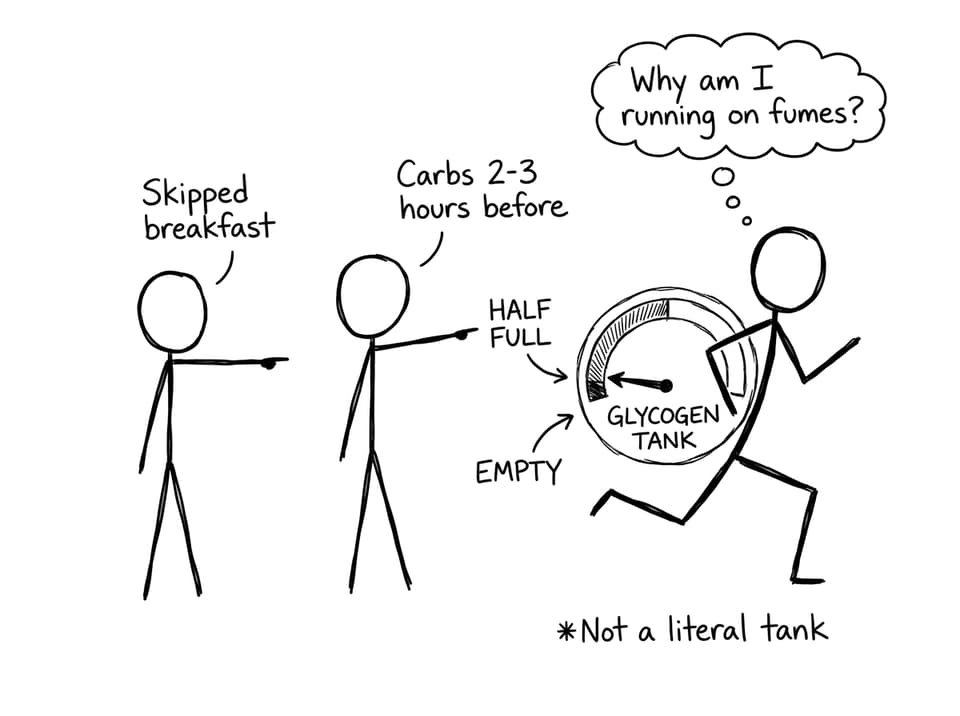
Carbohydrates are the most important macronutrient before exercise, particularly for endurance and high-intensity activities.
Benefits of carbohydrate intake include:
- Increased muscle glycogen stores
- Sustained energy supply during exercise
- Delayed onset of fatigue
Consuming carbohydrates before exercise allows athletes to maintain higher intensities for longer periods. This is especially important for prolonged activities such as distance running, cycling, or team sports.
Timing of Pre-Exercise Meals
The timing of food intake before exercise significantly affects performance and comfort.
General guidelines include:
- Larger meals consumed several hours before exercise
- Smaller snacks closer to activity
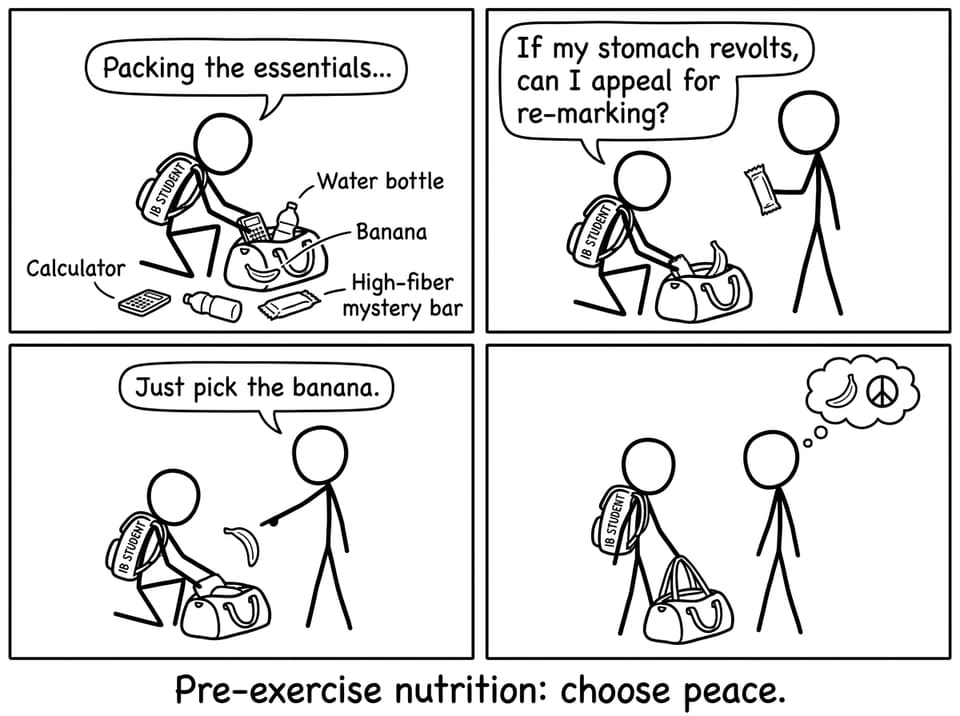
- Avoiding foods high in fat or fibre immediately before exercise
Eating too close to exercise can cause discomfort, while eating too early may result in low energy availability during performance.
Hydration Before Exercise
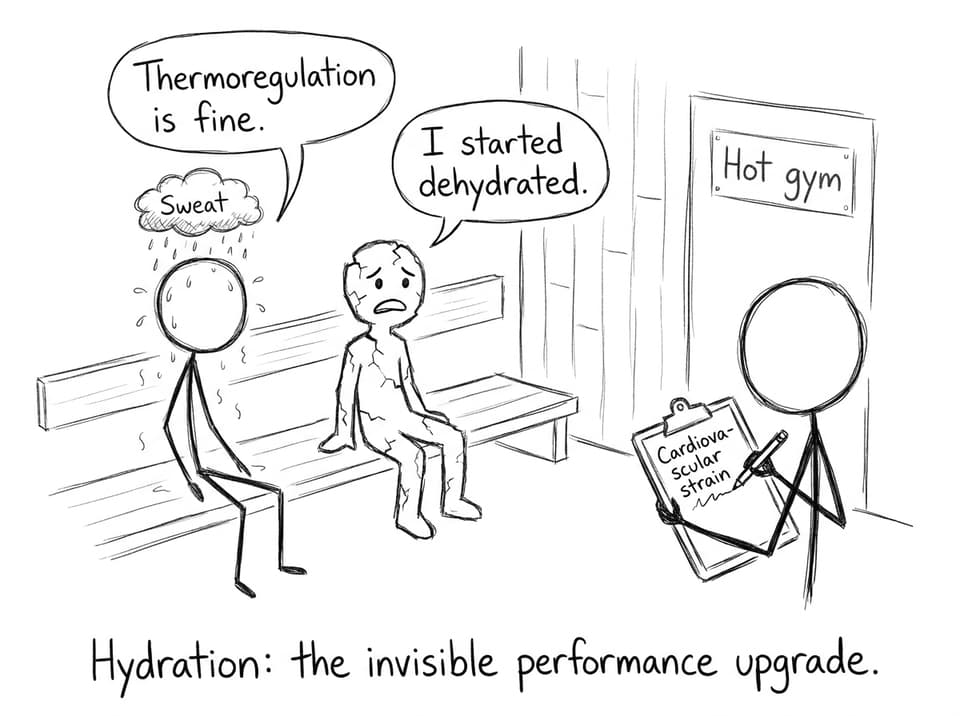
Hydration is also a critical component of pre-exercise preparation. Starting exercise in a hydrated state supports thermoregulation and cardiovascular function.
Adequate pre-exercise hydration:
- Supports sweat production
- Reduces early cardiovascular strain
- Improves exercise tolerance
In IB SEHS exams, hydration should always be linked to thermoregulation and performance.
Exam Relevance for IB SEHS
Questions on pre-exercise nutrition often require applied explanations. Students should link carbohydrate intake, meal timing, and hydration to energy availability and fatigue prevention. Clear, practical explanations score higher than vague descriptions.
RevisionDojo Call to Action
If nutrition topics feel overwhelming or hard to apply in IB exam questions, RevisionDojo provides clear explanations and exam-style practice tailored specifically to IB SEHS. It is the most effective way to master nutrition concepts with confidence.
Frequently Asked Questions (FAQs)
Why are carbohydrates important before exercise?
Carbohydrates increase glycogen stores and provide readily available energy, helping athletes sustain intensity and delay fatigue.
What happens if you eat too close to exercise?
Eating too close to exercise can cause gastrointestinal discomfort and reduce performance due to incomplete digestion.
How is pre-exercise nutrition tested in IB SEHS exams?
Questions often focus on energy availability, fatigue, and applied scenarios requiring clear links between nutrition and performance.