
Nutrition Strategies for Recovery After Exercise
Recovery nutrition refers to the intake of food and fluids after exercise to help the body restore energy stores, repair tissues, and prepare for future performance. In IB Sports, Exercise and Health Science (SEHS), recovery nutrition explains how athletes adapt to training and reduce the risk of fatigue and injury.
Effective recovery allows athletes to train consistently and maintain performance across multiple sessions. Poor recovery nutrition can lead to prolonged fatigue, reduced adaptation, and increased injury risk.
Goals of Post-Exercise Nutrition
The main objectives of recovery nutrition are to:
- Replenish depleted glycogen stores
- Repair damaged muscle tissue
- Restore fluid and electrolyte balance
- Support long-term training adaptations
In IB SEHS, students should understand that recovery nutrition is essential for both short-term performance and long-term improvement.
Carbohydrates and Glycogen Replenishment
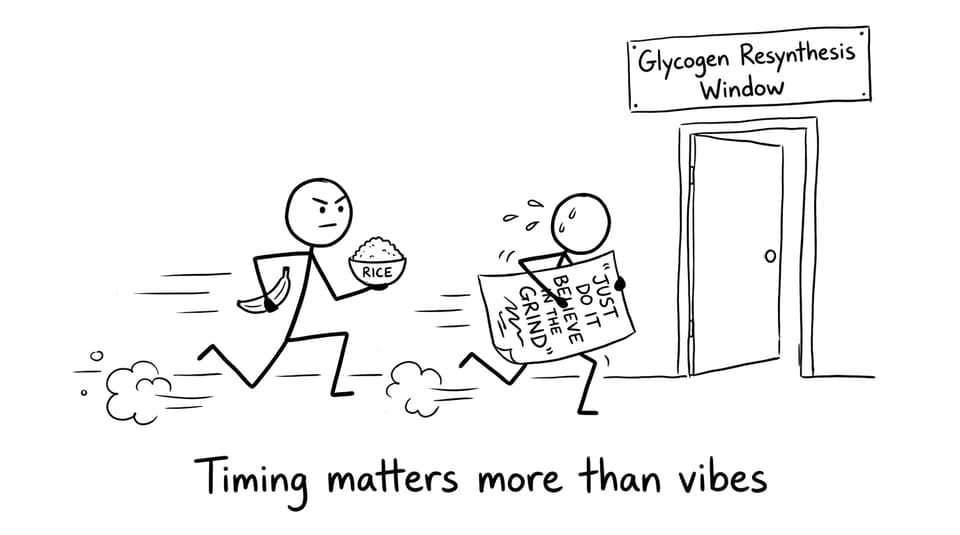
After exercise, muscle glycogen levels are often reduced, especially following endurance or high-intensity activity. Consuming carbohydrates after exercise helps restore these stores.
Key points include:
- Glycogen replenishment is fastest soon after exercise
- Adequate carbohydrate intake prepares muscles for the next session
- Low carbohydrate intake delays recovery
In IB exam answers, linking carbohydrates to glycogen restoration and fatigue prevention is essential.
Protein and Muscle Repair
Protein plays a critical role in repairing muscle tissue damaged during exercise. Resistance training and high-intensity exercise cause microscopic muscle damage that must be repaired for adaptation to occur.
Protein intake after exercise:
- Supports muscle repair
- Promotes muscle growth and adaptation
- Reduces muscle soreness over time
In IB SEHS, protein is discussed primarily in relation to recovery rather than energy production.
Hydration and Fluid Replacement
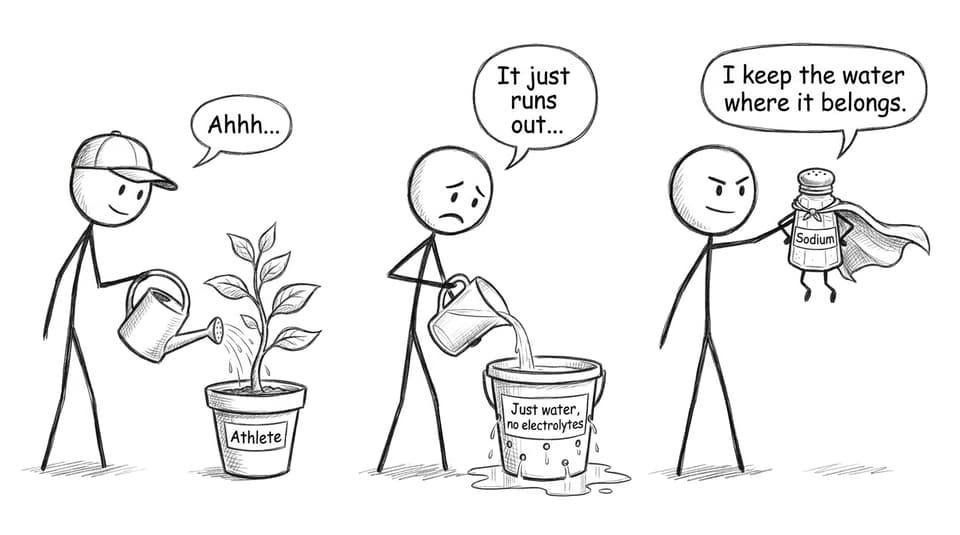
Fluid loss through sweating must also be addressed during recovery. Rehydration helps restore blood volume, support thermoregulation, and prepare the body for subsequent exercise.
Effective rehydration:
- Replaces fluids lost through sweat
- Restores electrolyte balance
- Reduces cardiovascular strain
Failing to rehydrate properly can prolong fatigue and impair future performance.
Exam Relevance for IB SEHS
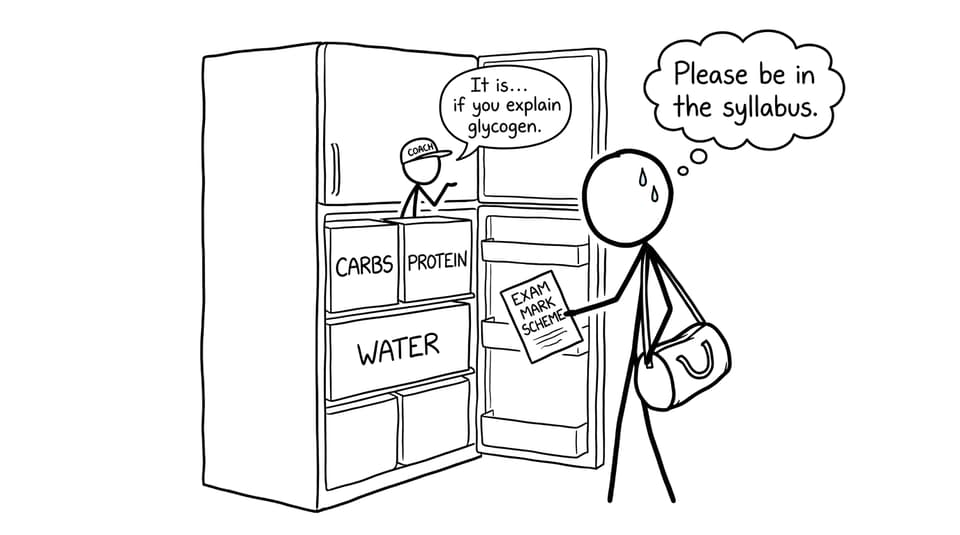
Recovery nutrition questions often require applied explanations. Students should link carbohydrates to glycogen restoration, protein to muscle repair, and hydration to recovery efficiency. Clear connections between nutrition and training adaptation lead to higher marks.
RevisionDojo Call to Action
If recovery and nutrition topics feel difficult to structure in IB exam answers, RevisionDojo provides clear explanations and exam-style practice designed specifically for IB SEHS. It is the most effective way to master applied nutrition with confidence.
Frequently Asked Questions (FAQs)
Why are carbohydrates important after exercise?
Carbohydrates replenish glycogen stores, helping reduce fatigue and prepare muscles for future exercise sessions.
What role does protein play in recovery?
Protein supports muscle repair and adaptation by rebuilding damaged muscle tissue after exercise.
How is recovery nutrition tested in IB SEHS exams?
Questions often require students to explain how nutrition supports recovery, adaptation, and performance using applied examples.