Neural activation is the quiet difference between a movement that looks effortless and one that burns energy like a phone with 37 apps running.
In IB SEHS, that difference matters because exam questions rarely reward “muscles contract” explanations. They reward control: which muscles fire, when they fire, and how much force they produce. Movement efficiency isn’t just strength. It’s the nervous system spending energy with intention.
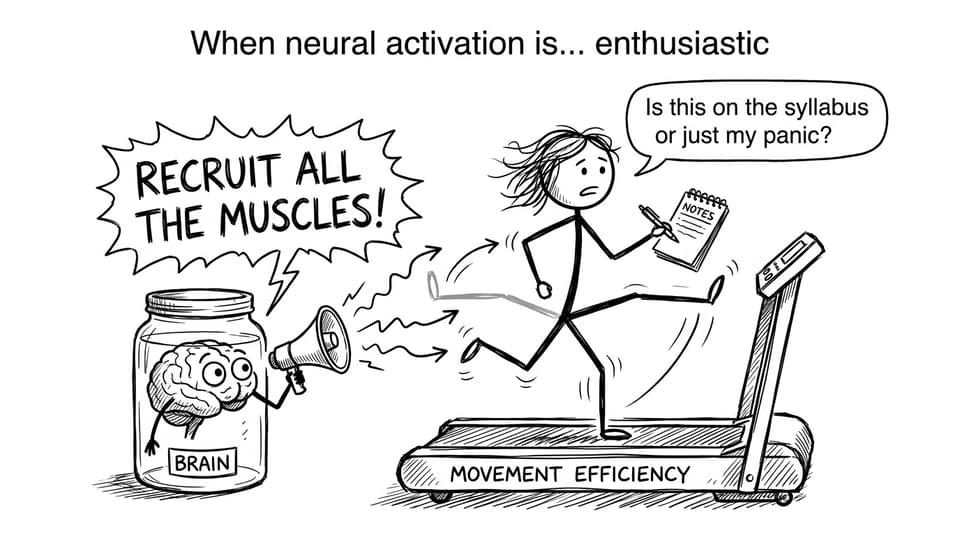
When neural activation is enthusiastic
IB SEHS quick checklist: what to say in exams
Use this mini-plan whenever a question mentions neural activation or efficient technique:
Define neural activation as nervous system signals that cause muscle contraction
Link force control to motor units and recruitment (small to large)
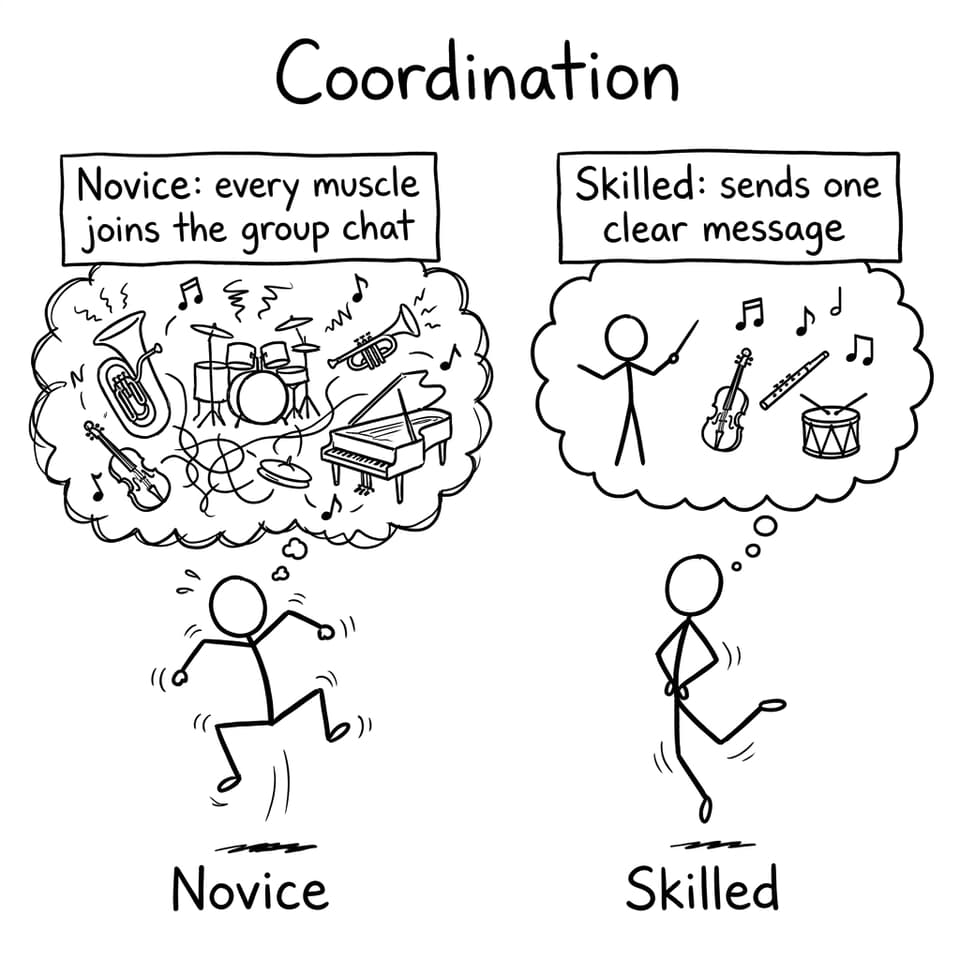
Explain coordination between agonists, antagonists, and stabilisers
Add the performance link: less wasted energy, better accuracy, delayed fatigue
Apply to a real movement (jump take-off, sprint start, throw, squat)
What neural activation means (in IB SEHS language)
Neural activation describes how the CNS and PNS send impulses along motor neurons so muscle fibres contract. In IB SEHS, you can score quickly by making the chain clear: motor command from the CNS, motor neuron signal, neuromuscular junction, muscle contraction.
A strong supporting link for detail is Neuromuscular Junction Explained | IB SEHS Guide. When you mention acetylcholine and signal transmission accurately, your answer stops sounding vague and starts sounding markscheme-ready.
Motor unit recruitment: efficiency is choosing the right “gear”
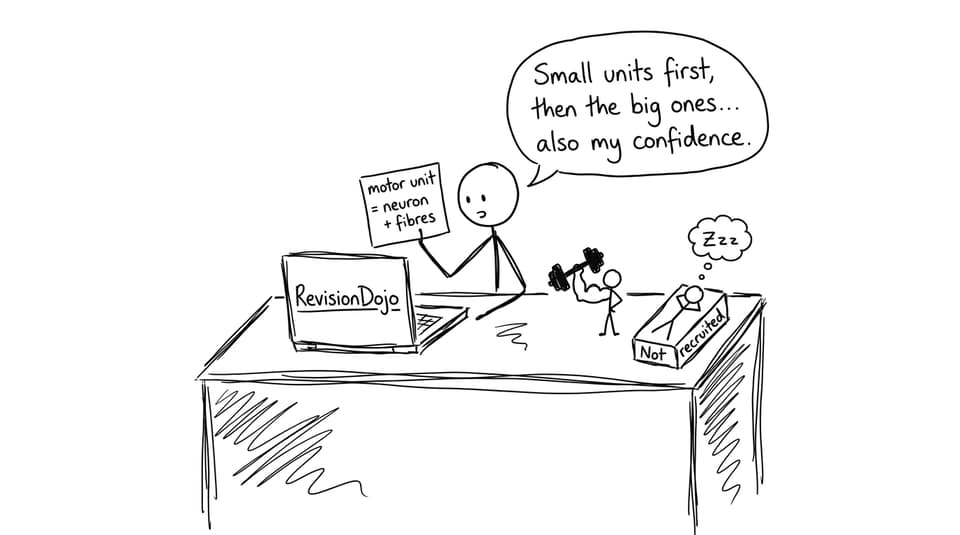
A motor unit is one motor neuron plus the muscle fibres it innervates. Recruitment is how the body increases force: activate more motor units, and you activate more fibres. But movement efficiency depends on matching recruitment to the task.
Fine, skilled actions (steady balance, controlled landing) rely on smaller motor units and precise timing.
High-force actions (sprinting, heavy lift, explosive jump) require larger motor units recruited as demand rises.
Neural activation also determines sequencing. Efficient movement happens when agonists produce the action, antagonists relax enough to allow it, and stabilisers keep joints controlled. When antagonists co-contract too much, you get stiffness: higher energy cost, slower movement, and sometimes more joint stress.
This is why “skilled performer” answers score in IB SEHS. Skilled athletes tend to reduce unnecessary co-contraction and time muscle firing more precisely, so the same movement costs less energy and stays consistent under pressure.
Training adaptations: early gains are often neural
In the early stages of training, performance improvements can be driven more by neural factors than muscle hypertrophy: better recruitment, better timing, and better inter-muscular coordination. In IB SEHS, this helps you explain why someone can improve technique and force output before visible muscle changes.
Neural activation and movement efficiency can feel invisible because you can’t “see” a motor unit firing. But in IB SEHS, invisible mechanisms are exactly where the top marks hide: timing, recruitment, and coordination.
When you revise with RevisionDojo, you can keep the pathway clear using Study Notes, lock in definitions with Flashcards, and pressure-test your explanations in the Questionbank. If you’re working on exam performance, the AI Chat can help you refine a paragraph into examiner-ready wording, and the Grading tools help you spot what your answers consistently miss. Add Mock Exams, Predicted Papers, the Coursework Library, and Tutors when you want structured accountability from start to finish.
For more IB SEHS support across the course, explore All IB SEHS posts and build your next revision session around one concept you can explain perfectly under time pressure.
IB SEHS goal setting in sport made simple: goal types, SMART targets, common mistakes, and exam-ready tips using RevisionDojo practice tools.