



A calm truth about IB Design Technology Paper 1
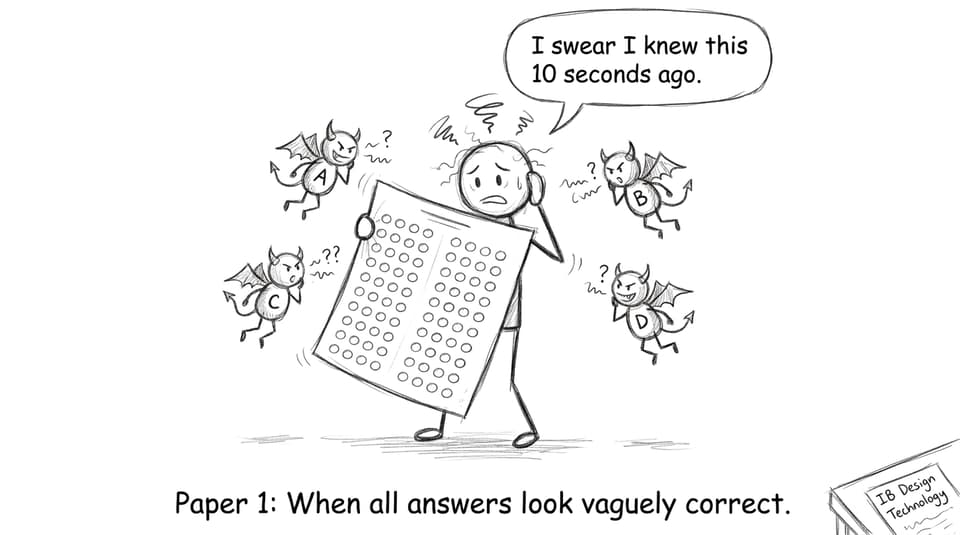
The first time you sit a multiple-choice paper for IB Design Technology, it can feel almost unfair: you recognize every term, yet four options still manage to look “kind of right.” That’s the Paper 1 trap. It rewards precision, not vibes.
With the first exams in 2027, the smartest students aren’t waiting for motivation. They’re building a repeatable system for IB Design Technology Paper 1: learn definitions, practise under time pressure, and train your brain to spot distractors.
Quick checklist for IB Design Technology Paper 1
-
Lock in key definitions (short, exact wording).
-
Do timed drills weekly (not just untimed practice).
-
Use elimination like a method, not a guess.
-
Sketch micro-diagrams to test understanding fast.
-
Review mistakes and turn them into flashcards.
For a one-stop home base, start with the IB Design Technology hub and build from there.
What Paper 1 actually tests
Paper 1 in IB Design Technology is multiple-choice and fast-paced. It checks whether you can:
-
Recall definitions (ergonomics, sustainability, modelling, production concepts).
-
Recognize correct applications in short scenarios.
-
Stay accurate while moving quickly.
You don’t need long explanations here. You need clean recall plus the ability to notice what the question is really asking.
If you want targeted sets that mirror the exam feel, use the IB Design Technology Questionbank and filter by the topics you keep missing.
Tips and tricks that actually move your score
Build a “one-line glossary” early
Paper 1 rewards students who can define a term in one breath. Make a living glossary: one line per term, one example, one common confusion.
RevisionDojo helps here because you can pair concise Study Notes with active recall. Start from IB Design Technology Resources and create a tight loop: read a definition, then immediately test it.
Train timing like a skill
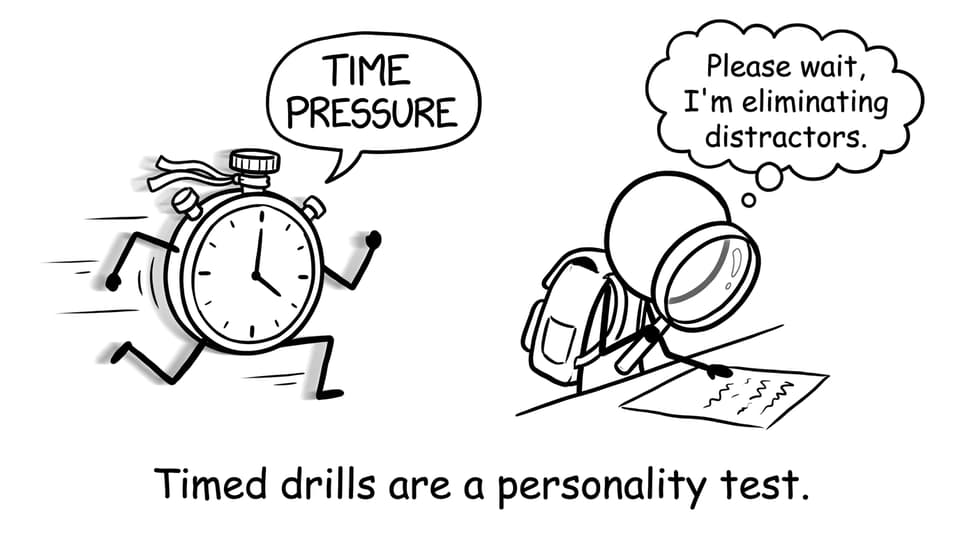
Time pressure changes how you read. A good habit: one short timed set per week, then a slower review session where you explain why each wrong option is wrong.
A simple upgrade: after each session, write 3 “rules” (e.g., “If the question says most sustainable, think lifecycle, not just recycling.”). Then turn those rules into Flashcards.
Use elimination with intention
When two answers seem close, it’s usually because one word matters: “reduces,” “optimizes,” “minimizes,” “always,” “best.” In IB Design Technology, distractors are built from near-truths.
Practise elimination using scenario-heavy topics such as modelling and prototyping. For focused practice, try a dedicated set like Topic B2.2 Modelling and Prototyping Questionbank.
Sketch tiny diagrams to think faster
You’re not making art. You’re creating proof. A 5-second sketch can clarify systems, mechanisms, or human factors more quickly than rereading.
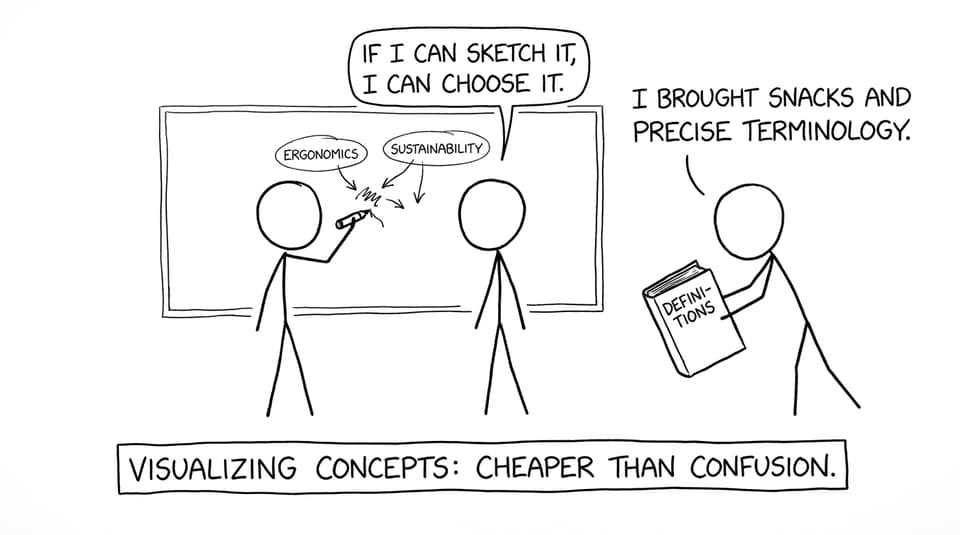
If you get stuck mid-question, RevisionDojo’s AI Chat can help you clarify a single concept quickly, then you return to practice rather than spiralling. The goal is always the same: shorten the time between confusion and clarity.
How RevisionDojo makes Paper 1 prep simpler
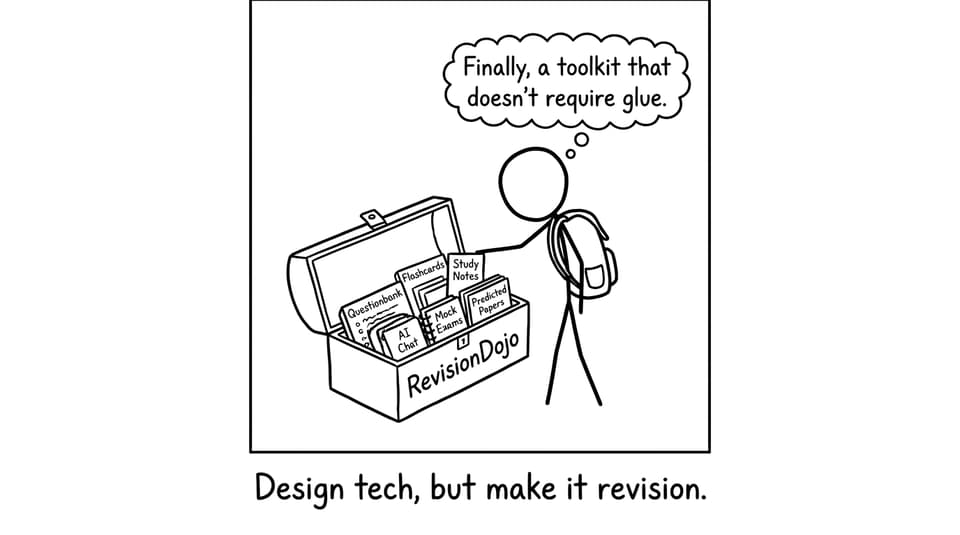
Good revision is a loop, not a mood. For IB Design Technology Paper 1, RevisionDojo brings everything into one place:
-
Study Notes to learn definitions efficiently.
-
Flashcards to keep recall sharp.
-
Questionbank to practise exam-style multiple-choice.
-
AI Chat to unblock misunderstandings mid-session.
-
Mock Exams and Predicted Papers to simulate pressure.
-
Grading tools and the Coursework Library so coursework doesn’t steal exam energy.
-
Tutors when you need high-level strategy.
If you want a broader study system that supports this loop across subjects, see RevisionDojo App: The Smarter Way to Prep for IB Exams.
FAQ: IB Design Technology Paper 1
How many questions are in IB Design Technology Paper 1?
The exact number of multiple-choice questions can vary by session and paper design, but what stays consistent is the pace and the precision required. In IB Design Technology, Paper 1 is designed to move quickly, which means your biggest enemy is usually not knowledge but hesitation. Treat the paper like a “definitions plus application” sprint rather than a reading test. The practical move is to train with timed sets so your speed becomes normal. On RevisionDojo, you can build these sets using the Questionbank and retake weak areas until your accuracy holds under pressure.
Is Paper 1 easier than Paper 2 or Paper 3?
It looks easier because it’s multiple-choice, but many students score lower than expected. In IB Design Technology, Paper 1 punishes fuzzy understanding: you can’t “half-know” a definition and write around it. The distractors are often built from common misconceptions, so overconfidence becomes a real risk. Paper 2 and Paper 3 reward explanation structure; Paper 1 rewards exact recognition. The best approach is to respect Paper 1 as its own skill: rapid recall, careful reading, and disciplined elimination. If you want exam strategy beyond Paper 1, this guide on scoring a 7 in IB Design Technology complements Paper 1 prep well.
What’s the most common mistake in IB Design Technology Paper 1?
Mixing up similar terms is the classic leak. In IB Design Technology, pairs like modelling vs prototyping, sustainability vs eco-design, or ergonomics vs anthropometrics can blur when you’re rushed. Another common issue is skimming and missing qualifiers like “best,” “most appropriate,” or “primary.” Students also tend to review by rereading notes instead of testing recall, which creates false confidence. The fix is simple but not easy: build a one-line glossary, practise timed questions, and keep a mistake log of repeated confusions. Then convert those confusions into Flashcards so the error stops repeating.
Closing: make Paper 1 feel predictable
Paper 1 doesn’t require luck. It requires a system. If you practise IB Design Technology the way Paper 1 demands, including definitions, timed drills, elimination, and quick visual thinking, the exam starts to feel less like a trap and more like a routine.
Start your prep today inside the IB Design Technology hub, then run the loop: Study Notes, Flashcards, Questionbank, and weekly Mock Exams or Predicted Papers. Your future self will recognize the questions faster and choose the right option with calm.