



If Paper 2 feels like the part of IB Design Technology where your brain suddenly forgets how to write in sentences, you are not alone. Paper 1 can feel like recognition. Paper 2 feels like judgement. You are given information, a context, and a question that quietly asks: Can you think like a designer under pressure?
That is why IB Design Technology Paper 2 rewards more than knowledge. It rewards the ability to turn knowledge into decisions: what the data implies, what trade-offs exist, and what a reasonable design recommendation actually looks like.
For a clean home base as you revise, start with RevisionDojo’s IB Design Technology hub, which is already built around the first exams in 2027.
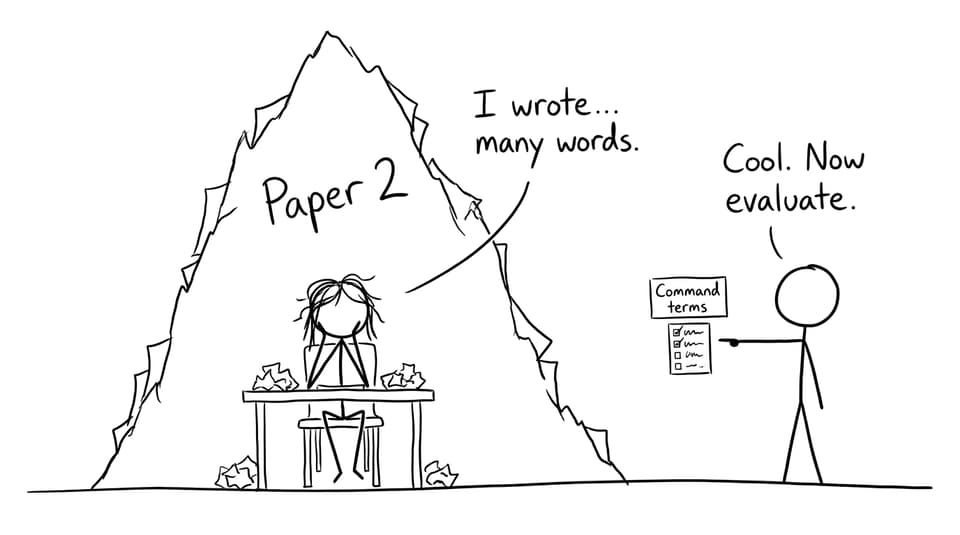
Quick checklist for IB Design Technology Paper 2
Use this before every timed practice:
-
Identify the command term and underline it.
-
Write a one-line claim that answers the question.
-
Select two data points (numbers, trends, comparisons) you will use.
-
Add one design principle (ergonomics, sustainability, materials, production, user needs).
-
End with evaluation: trade-offs, limitations, or a justified recommendation.
To build speed with exam-style prompts, drill targeted sets in the IB Design Technology Questionbank.
What Paper 2 is really testing in IB Design Technology
Paper 2 in IB Design Technology is less about repeating the syllabus and more about using it.
You are typically assessed on your ability to:
-
Apply design concepts to a scenario (not just define them).
-
Analyze provided stimuli (charts, tables, product info, case data).
-
Communicate with structured, efficient writing.
-
Evaluate with balance: benefits and limitations, not absolute claims.
If you notice you “know the topic” but still drop marks, it is usually because your answers stay descriptive. Paper 2 wants reasoning.
For a broader routine that supports Paper 2 skills year-round, see Best Study Strategies for IB Design Technology Students.
The structure that lifts most Paper 2 answers
When students struggle with IB Design Technology Paper 2, it is rarely because they have zero ideas. It is because their ideas arrive in the wrong order.
Use this simple spine for extended responses:
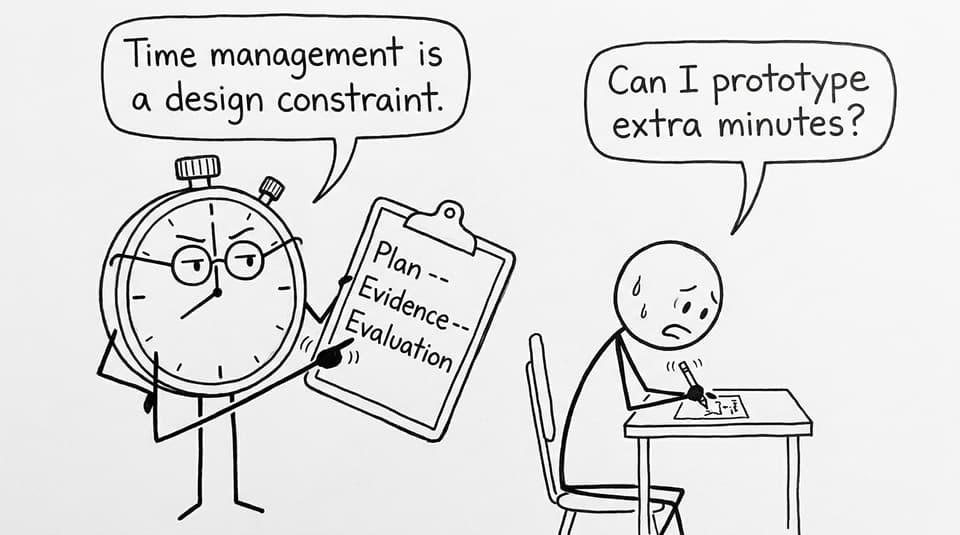
Plan, Evidence, Evaluation
-
Plan (2-3 sentences): Define the focus and answer the question directly.
-
Evidence (4-6 sentences): Use the data and apply DT concepts to explain cause and effect.
-
Evaluation (3-5 sentences): Weigh trade-offs, acknowledge constraints, and justify a decision.
This is also where RevisionDojo’s AI Chat can help: paste your draft, ask what is missing for “evaluate,” then rewrite once with the feedback. Combine that with Grading tools to see how your answer would land in a markband.
Data questions: stop describing, start concluding
A reliable Paper 2 trap in IB Design Technology is narrating the graph.
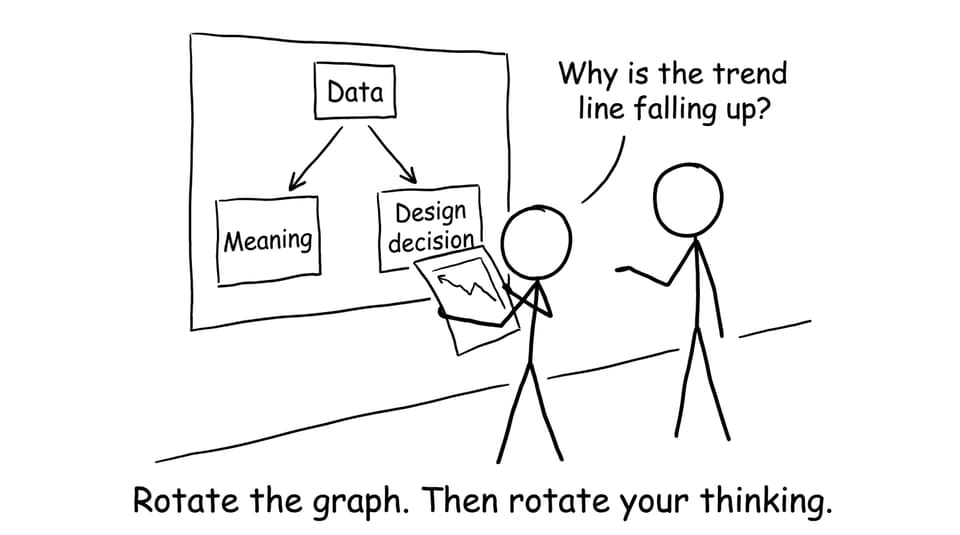
Instead, treat data like it exists for a purpose: to support a decision.
A quick method:
-
State the pattern (increase, decrease, correlation, anomaly).
-
Interpret the meaning (what it suggests about performance or user needs).
-
Link to a design move (material choice, manufacturing method, form, system change).
If you want content scaffolding for the “design move” part, RevisionDojo’s notes are useful for fast reminders, such as Innovation and Design Notes or topic pages like Smart Materials.
Time management: treat it like a design constraint
In IB Design Technology, you already know constraints shape outcomes. Paper 2 is the same.
A practical approach:
-
Do one timed section weekly using RevisionDojo’s Design Technology Predicted Papers.
-
Review mistakes for patterns (command term errors, weak evaluation, missing data linkage).
-
Then return to focused practice via the Questionbank.
If you want an exam-simulation routine that feels realistic, pair Mock Exams with Predicted Papers and let the analytics tell you where time slips away.
Closing: make Paper 2 feel predictable
Paper 2 becomes manageable when you stop treating it like a creativity test and start treating it like what IB Design Technology truly is: applied decision-making under constraints. Learn command terms. Use Plan, Evidence, Evaluation. Turn data into a design recommendation.
If you want one platform that connects practice questions, Study Notes, Flashcards, AI Chat, Grading tools, Predicted Papers, Mock Exams, and even a Coursework Library, start with RevisionDojo’s IB Design Technology hub and build your Paper 2 routine from there.