


If you’ve ever walked out of a IB Design Technology exam thinking, I knew that… I just didn’t have time, you’re not alone. The frustrating part is that the gap usually isn’t knowledge. It’s pacing. It’s accuracy under pressure. And it’s the weird way time speeds up the moment a question asks you to evaluate.
The good news: speed and accuracy are trainable skills in IB Design Technology. With the first exams in 2027, the smartest students aren’t waiting to “revise harder” later. They’re building routines that make exam performance feel familiar.
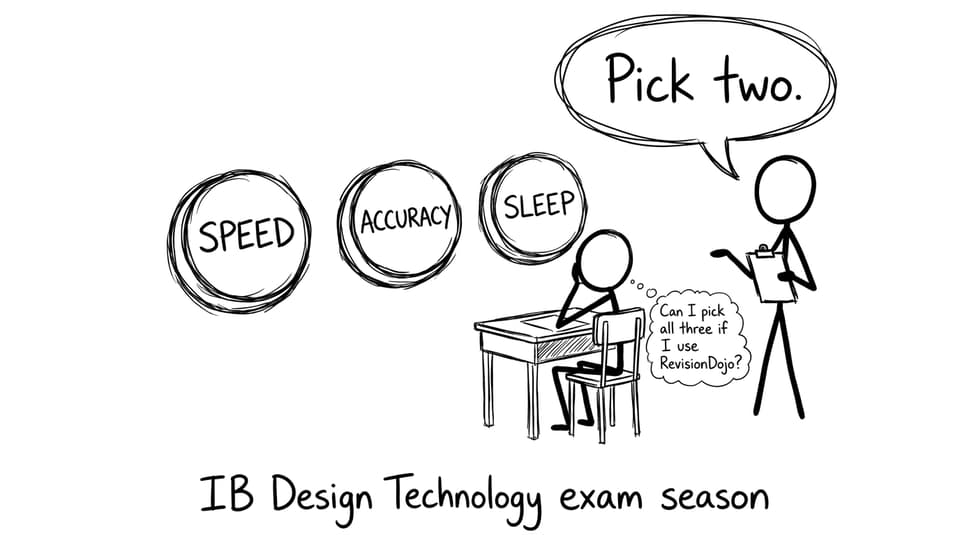
Quick checklist to improve speed and accuracy in IB Design Technology
-
Use the 1 minute per mark rule as your default pacing.
-
Do short timed sets (15-25 minutes) several times a week.
-
Write in markscheme language: precise, not long.
-
Grab easy marks first, then return to harder questions.
-
Review mistakes longer than you practise them.
For a central starting point, keep RevisionDojo’s IB Design Technology hub open as your home base.
Why IB Design Technology timing feels harder than it should
IB Design Technology exams reward clear thinking, but they punish slow decision-making. Paper styles often mix quick recognition (definitions, core concepts) with longer reasoning (analysis, evaluation, justification). If you write beautifully but too slowly, you lose marks you already earned in your head.
That’s why your goal is not “write more.” It’s “write what earns marks, faster.”
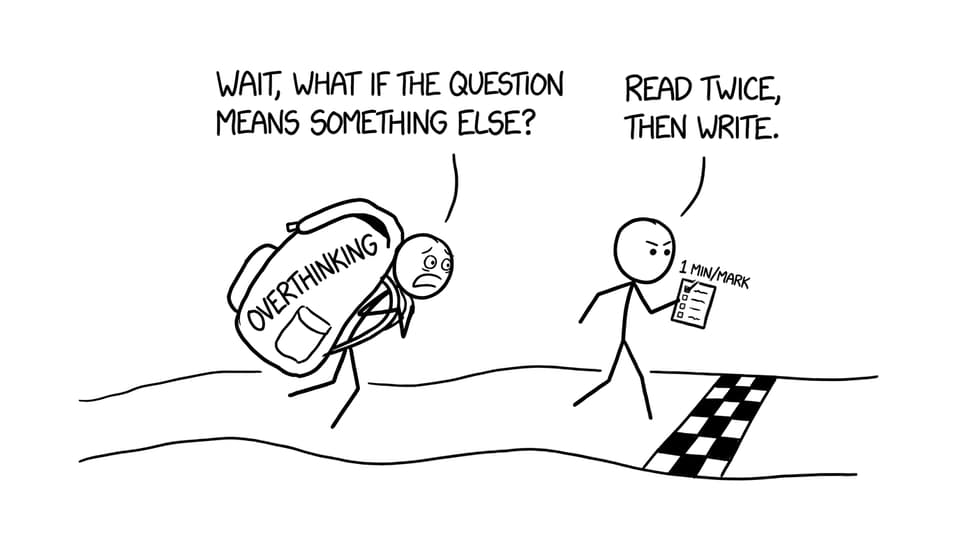
Speed strategies for IB Design Technology (without rushing)
Train with timed micro-sprints
Most students only do full-paper timing near the end. Flip that. In IB Design Technology, short timed practice builds reflexes.
Use RevisionDojo’s Questionbank to run 10-15 question bursts on one topic. Then once a week, simulate pressure using Design Technology Predicted Papers or a longer mixed session from the hub.
Use “easy marks first” as a rule, not a suggestion
In IB Design Technology, it’s common to get stuck perfecting one response while other questions remain untouched. Scan, collect the straightforward marks quickly, and bank confidence. Then come back for the deeper prompts.
Write in structures that grade well
Replace “essay mode” with templates:
-
State the principle.
-
Apply it to the scenario.
-
Link to impact (performance, sustainability, user needs, manufacturing).
This is where RevisionDojo’s Best Study Strategies for IB Design Technology Students becomes useful: it nudges you toward concise, exam-shaped thinking.
Accuracy strategies for IB Design Technology (the quiet mark boosters)
Read command terms like they’re the whole question
A surprising number of IB Design Technology errors come from answering the wrong depth. Describe is not evaluate. Compare is not explain. Before writing, underline the command term and the object of the question.
Build a living glossary for definitions
Paper 1-style questions often reward precision. Use short daily recall with RevisionDojo Flashcards so key definitions become automatic under stress.
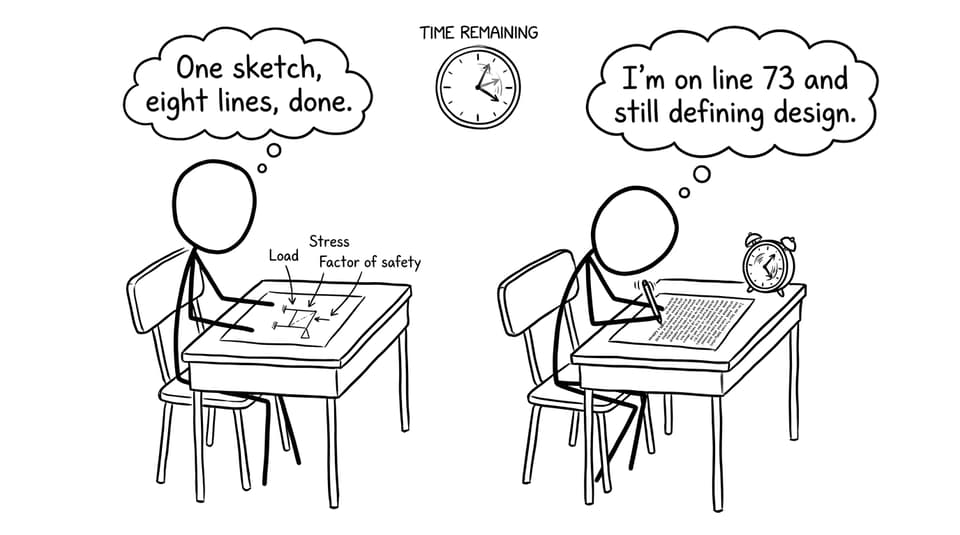
Use diagrams strategically
A small labeled sketch can replace a messy paragraph. It can also keep you from contradicting yourself.
If you want examples of how clear structure beats volume, browse the All IB Design Technology posts and mimic the phrasing patterns that stay tight.
A simple RevisionDojo routine for IB Design Technology speed + accuracy
Here’s a weekly loop that fits real life:
-
3 days: 20-30 minutes of topic practice using the IB Design Technology resources pages (notes/lessons), then Questionbank.
-
2 days: 7-10 minutes of Flashcards plus error review.
-
1 day: a timed session using the hub or Predicted Papers, followed by a longer review.
When you get stuck, use the platform’s AI Chat to clarify the exact misunderstanding, and if you want deeper feedback loops, RevisionDojo’s Grading tools, Coursework Library, and Tutors help you turn “I lost marks” into “I know why.”
Conclusion: Make IB Design Technology performance predictable
Improving speed and accuracy in IB Design Technology isn’t about turning yourself into a faster person. It’s about turning your exam behaviour into a routine: timed practice, 1 minute per mark pacing, concise structures, and ruthless review.
If you want an all-in-one system to train that routine, start with RevisionDojo’s IB Design Technology hub, then use the Questionbank, Flashcards, and Predicted Papers to make speed and accuracy feel automatic before exam day.