


Development is the kind of word that sounds simple until you have to defend it in an essay.
A headline says a country is “developing.” A politician points to “record growth.” A campaign poster promises “modernisation.” In IB Global Politics, that’s your cue to slow down: the moment someone claims progress, you should ask, by which measure? Because development isn’t one thing. It’s a contested concept, and the way it’s measured reveals values, priorities, and power.
A quick checklist of development measures (exam-ready)
In IB Global Politics, high-scoring answers usually show range and evaluation. Aim to cover:
-
Economic measures (GDP, GNI per capita, productivity)
-
Human development measures (HDI-style outcomes)
-
Social indicators (healthcare, literacy, water access, gender equality)
-
Inequality measures (who benefits, who is left out)
-
Political and institutional measures (governance, data reliability)
-
Sustainability measures (long-term environmental resilience)
If you need a structured syllabus home base, start with IB Global Politics Resources and the topic hub Development and Sustainability.
Economic indicators: the tempting shortcut
Economic indicators are popular because they’re clean and comparable. GDP growth, GNI per capita, employment, productivity: they turn a complex society into a single line on a chart.
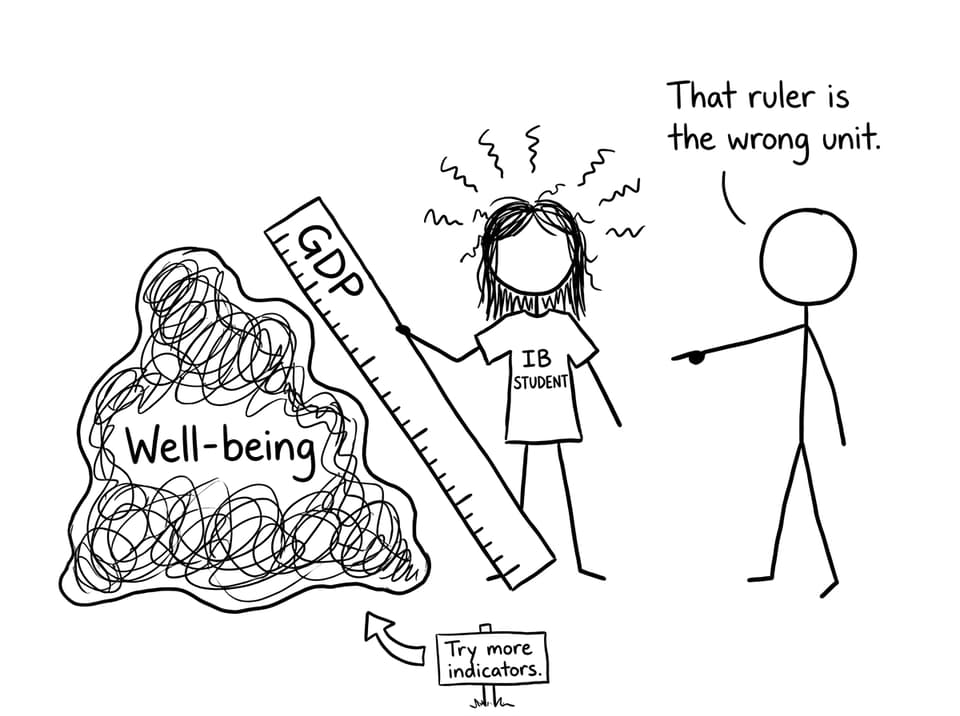
In IB Global Politics, the evaluation is where marks live: economic indicators can miss distribution. A country can “grow” while wages stagnate, rural regions are ignored, or public services crumble. So GDP can be a useful signal, but it’s rarely a sufficient story.
Human development indicators: shifting the focus to people
Human development measures try to answer a more human question: Are lives improving? Instead of only counting output, they look at outcomes such as health, schooling, and living standards.
RevisionDojo’s Notes for Core Ideas in Development and Sustainability are useful here because they connect definitions to what examiners want: development as expanding choices and capabilities, not just producing more.
Social indicators: where inequality becomes visible
Social indicators zoom in on access: clean water, healthcare coverage, literacy rates, poverty levels, gender equality, and similar measures. These indicators often reveal the gap between national averages and lived reality.
In IB Global Politics, that gap can become your argument: development can be “successful” on paper while still failing key groups. Social indicators help you link measurement to justice, rights, and legitimacy.
Inequality measures: who gets the benefits?
A development model that lifts a few and sidelines many is politically unstable, even if GDP looks great. Inequality-focused measures (income gaps, gender gaps, regional disparities) ask whether progress is inclusive.
This is also where you can connect to power structures and actors. Who controls resources? Who shapes policy? Who is represented?
Institutions and politics: measurement is not neutral
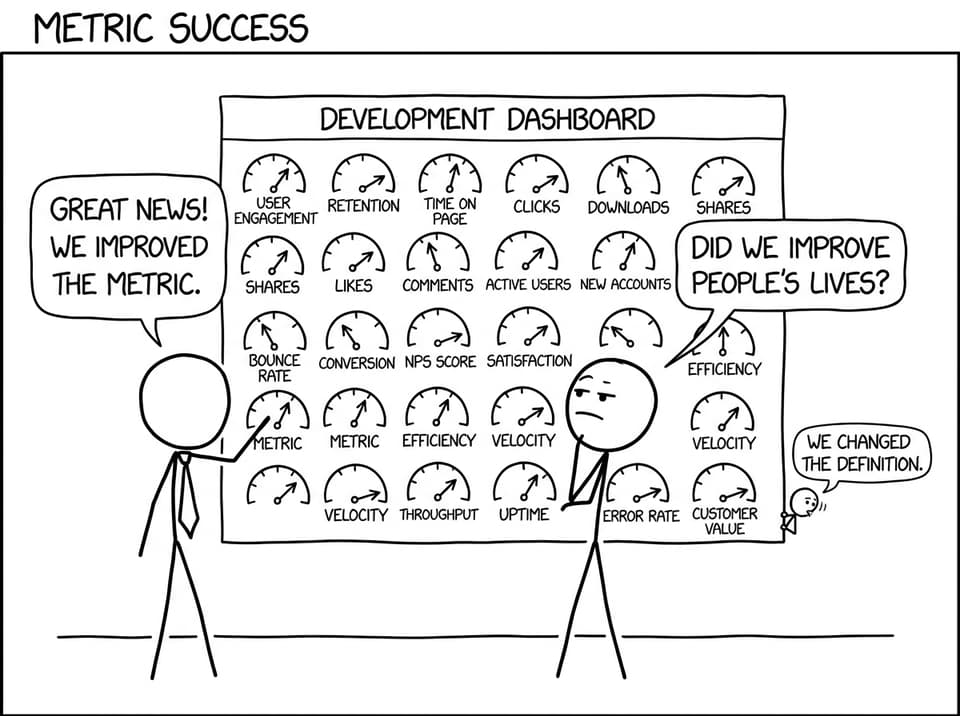
In IB Global Politics, it’s strong analysis to say: measurement reflects political choices. Governments may emphasise the indicators that flatter them, underreport uncomfortable data, or choose definitions that change the narrative.
If you want vocabulary and frameworks for actors and institutions, see Notes for Intergovernmental organizations.
Sustainability indicators: the long view
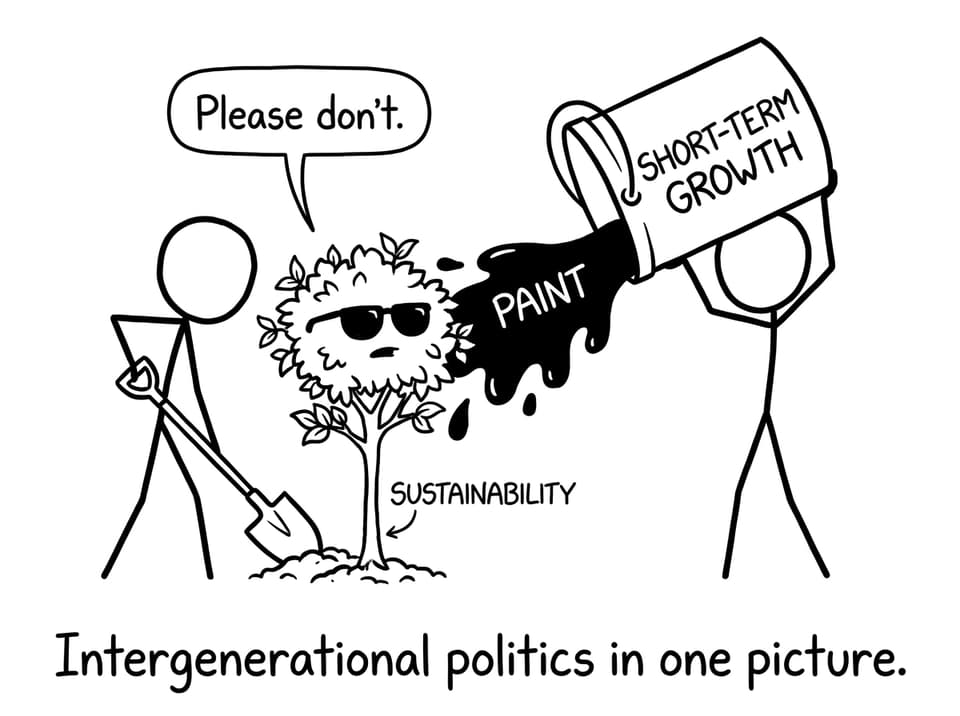
Sustainability measures ask whether development today steals options from tomorrow. Environmental indicators like emissions, resource use, pollution, and resilience bring an intergenerational lens to development.
This matters in IB Global Politics because it turns measurement into a debate about responsibility, trade-offs, and whose future counts.
Exam tip: how to write this under time pressure
A reliable structure for Paper 2: define development as contested, compare 2-3 measurement approaches, then evaluate what each reveals and hides. For Paper strategy, use IB Global Politics Paper 2 Guide Notes and IB Global Politics Paper 1 Guide Notes. For writing, see How To Write A Top-Scoring IB Global Politics Essay.
Conclusion: the real skill is choosing the lens
Development isn’t a single number; it’s an argument about what counts as progress. In IB Global Politics, you score higher when you treat measurement as a political choice, and when you can explain what each indicator reveals and conceals.
If you want to turn this into exam performance, build your toolkit on RevisionDojo: revise the Development and Sustainability topic, practise with the Debates on development and sustainability Questionbank, and use flashcards, AI Chat, mock exams, predicted papers, and grading tools to tighten your arguments under pressure.