
You can do everything “right” in your subjects and still feel the ground shift under your feet on results day.
It usually happens quietly. A student has strong Higher Level grades, a decent total, and a university offer that looks within reach. Then the final score lands one or two points short, or worse: the diploma isn’t awarded. The shock isn’t about a tough Paper 2. It’s about the core.
In 2025, the story was the same for many candidates: EE and TOK core points were the invisible lever. And the uncomfortable truth is that Subject Selection doesn’t end when you pick your six courses. Your Subject Selection continues when you decide how seriously to treat the work that sits outside your timetable but inside your final score.
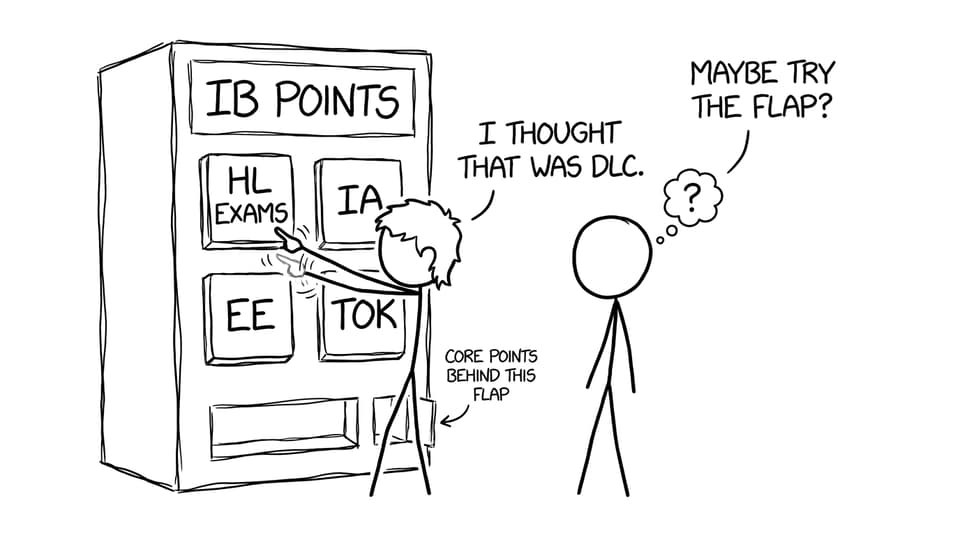
Quick checklist: what to know before you “ignore the core”
-
You can earn 0 to 3 core points from EE + TOK combined
-
The points are added directly to your total (out of 45)
-
A weak core often shows up as missed structure, not low intelligence
-
Treating EE or TOK as optional can create avoidable risk
-
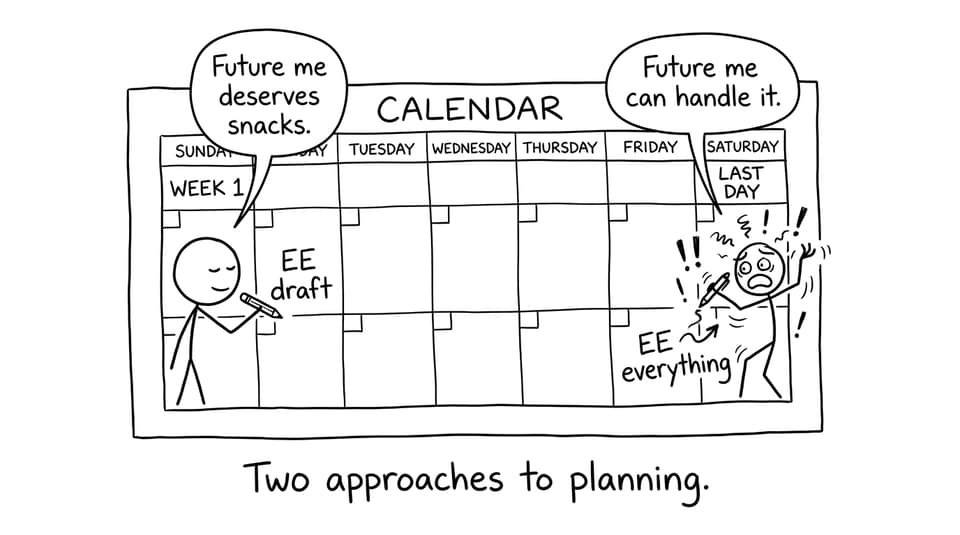
The best exam plans build the core into weekly routines, not panic weekends
What were IB core points in 2025?
IB core points are the bonus points awarded from your performance in:
-
Extended Essay (EE)
-
Theory of Knowledge (TOK)
Together they contribute up to 3 points on top of your six subject grades (maximum 42), creating the familiar total out of 45.
In other words, core points are not a “nice extra.” They are part of the scoring system. If your goal is to make Subject Selection decisions that protect your final score, the core has to be in the same mental category as your HLs: not louder, just equally real.
If you want the clearest breakdown of TOK expectations and components, start with the Theory of Knowledge (TOK) hub and the explanation in IB Theory of Knowledge (TOK) Requirements Explained.
How EE and TOK combined to create core points
Core points come from a matrix that combines:
-
your EE grade (A-E)
-
your TOK grade (A-E)
Strong performance in one can partially offset weaker performance in the other, but consistently weak performance across both tends to collapse to low or zero core points.
The deeper lesson for Subject Selection is simple: the IB rewards balance. Not just across Group 1 to Group 6, but across skills. EE rewards research design, academic writing, and sustained analysis. TOK rewards clear thinking about evidence, assumptions, and perspectives. When you train those two skills sets, many of your subject essays and data responses get sharper too.
To build that bridge intentionally, see How to Incorporate TOK Ideas into Your EE.
What did core point outcomes look like in 2025?
In 2025, most students landed in the 1-2 core point range, with a smaller share earning the full 3. A noticeable minority earned 0 core points, often for reasons that look predictable in hindsight:
-
EE research question too broad, leading to descriptive writing
-
TOK work that sounds philosophical but doesn’t answer the task
-
Weak alignment to assessment criteria
-
Rushed final submissions that never had time to become clear
Core points are rarely lost because students “can’t write.” They are lost because students don’t write for the rubric. That’s a planning failure, not a talent failure.
If you’re building a revision strategy from the ground up, it helps to zoom out once and see how the whole programme fits together: The Complete IB Revision Guide: From Subject Selection to Final Exams.
Why EE and TOK still matter (even when exams feel louder)
There are two reasons EE and TOK still mattered in 2025, and they’ll matter for you too.
Core points can change outcomes faster than a subject remark
A one-point shift in a subject is hard. It’s possible, but it often requires moving several markbands across multiple papers. Core points are different: a cleaner EE structure or a more precise TOK argument can move you from 0 to 1, or 1 to 2, without rewriting your entire academic identity.
This is why Subject Selection is also about score leverage. Some effort buys more points than other effort.
Core performance can be a diploma safety issue
Students sometimes treat TOK and EE like side quests because they don’t look like exam papers. But the IB treats them as core requirements with real consequences. That’s why your Subject Selection planning should include a minimum standard: “I will not leave EE and TOK to the last minute.”
If you want guidance that keeps you rubric-aligned, start with IB Extended Essay Guides and the practical walkthrough in Mastering IB Extended Essays: How to Research, Write, and Revise.
The common mistakes that quietly destroy core points
Most “core point disasters” follow a familiar pattern.
EE mistakes
-
Writing a long background section instead of building an argument
-
Choosing a research question that is interesting but not researchable
-
Using sources without evaluating their limits
-
Editing for grammar but not for analytical depth
If you’re unsure whether your EE is drifting into summary, it helps to compare against a clear structure guide like How to Structure an Extended Essay (EE) and keep the constraints realistic using Mastering the IB Extended Essay Word Count.
TOK mistakes
-
Using big words where a clear claim is needed
-
Giving “both sides” without evaluation
-
Forgetting that TOK is assessed writing, not a diary of opinions
-
Choosing examples that are famous but not explained
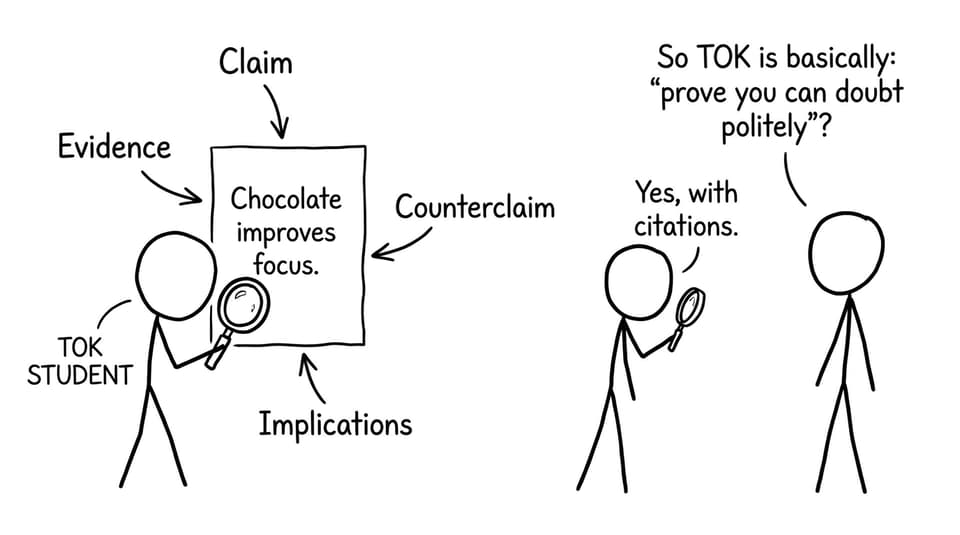
If TOK still feels vague, build your planning around knowledge questions using TOK Essay Titles: What Are Knowledge Questions? and strengthen structure with Building Coherent Arguments in TOK.
A practical strategy: treat core points like a seventh “mini subject”
Here’s a calm approach that works during exam season.
-
Weekly core block (60-90 minutes): one EE paragraph revision or one TOK argument rebuild
-
Criteria-first check: write the criterion name above the paragraph and ask, “What would earn marks here?”
-
Tight feedback loop: get targeted feedback, then rewrite only the section that moves marks
RevisionDojo is built for this kind of routine. Use Study Notes and Flashcards to keep subjects stable, and then reserve a small weekly slot for the core so it never becomes urgent. When you need practice under time pressure, the Questionbank plus Mock Exams and Predicted Papers help you keep exam performance consistent while the core improves in parallel. For writing, AI Chat can help you test clarity (“What is my claim?” “What is my counterclaim?”), and the Grading tools can keep you honest about rubric language. If you want examples to calibrate your standards, the Coursework Library and Coursework Exemplars make expectations tangible. And if you need human guidance at key moments, RevisionDojo Tutors can help you fix structure quickly instead of rewriting blindly.
This is Subject Selection in its most mature form: not choosing what looks impressive, but choosing the habits that protect your score.
Closing: the core is part of your score story
In 2025, IB core points worked the same way they always have: quietly, mathematically, and with real consequences. EE and TOK still mattered because they changed totals, protected diploma outcomes, and rewarded the kind of thinking that improves subject performance too.
If you’re planning Subject Selection strategies for the months ahead, don’t just ask which subjects you can score well in. Ask what choices will keep your whole score stable. Build a weekly core routine, keep your writing rubric-aligned, and use RevisionDojo to connect everything: Questionbank for exam skill, Study Notes for clarity, Flashcards for retention, AI Chat for quick checkpoints, Grading tools for criterion truth, and Mock Exams and Predicted Papers for confidence.
Because the most painful IB surprises are rarely about what you didn’t know. They’re about what you thought didn’t matter.