




If you have ever walked out of an IB Design Technology exam thinking, “I knew the content, but my answer felt thin,” you have already met the quiet power of a real-world example.
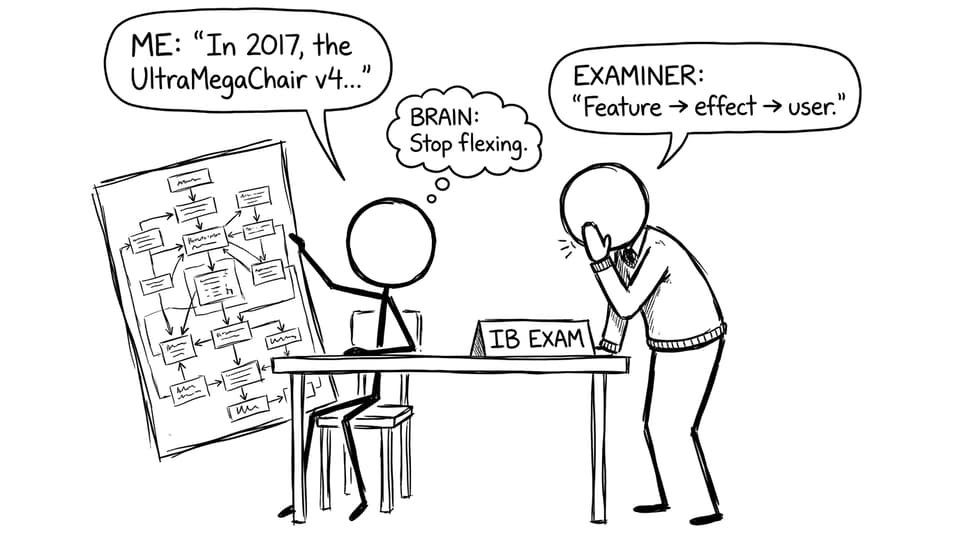
Not the name-dropping kind. Not the “I once read about a cool chair” kind. The kind that proves to an examiner you can take theory out of a glossary and place it into the messy world where users spill coffee, materials fatigue, and budgets exist.
Used well, real-world examples in IB Design Technology do three things: they make your explanation concrete, they make your evaluation believable, and they make your marks easier to award.
Why examiners reward real-world examples in IB Design Technology
IB Design Technology is assessed like applied thinking, not just recall. Examiners are looking for signs that you can:
-
Transfer a concept to a product or system
-
Explain cause-and-effect (feature -> outcome -> user)
-
Judge trade-offs realistically (benefits, limitations, constraints)
A real-world example is basically evidence. It shows you are not only repeating a definition but also using it.
If you want a central place to revise and practise that style of thinking, start with the IB Design Technology hub, then branch into topic practice from there.
A quick checklist for adding examples (without wasting time)
Before you add a real-world example in IB Design Technology, run this fast mental checklist:
-
Does it directly fit the scenario in the question?
-
Does it help me meet the command term (explain, analyse, evaluate)?
-
Can I explain the mechanism clearly in 1 to 3 sentences?
-
Can I link it back to user needs or performance?
If you cannot do those four, the example is probably a distraction.
What counts as a “real-world example” (and what doesn’t)
A real-world example can be small and ordinary:
-
A product: reusable water bottle, backpack strap, adjustable desk
-
A system: modular storage, flat-pack distribution, mass customization
-
A process choice: injection moulding for volume, CNC for precision, iterative prototyping
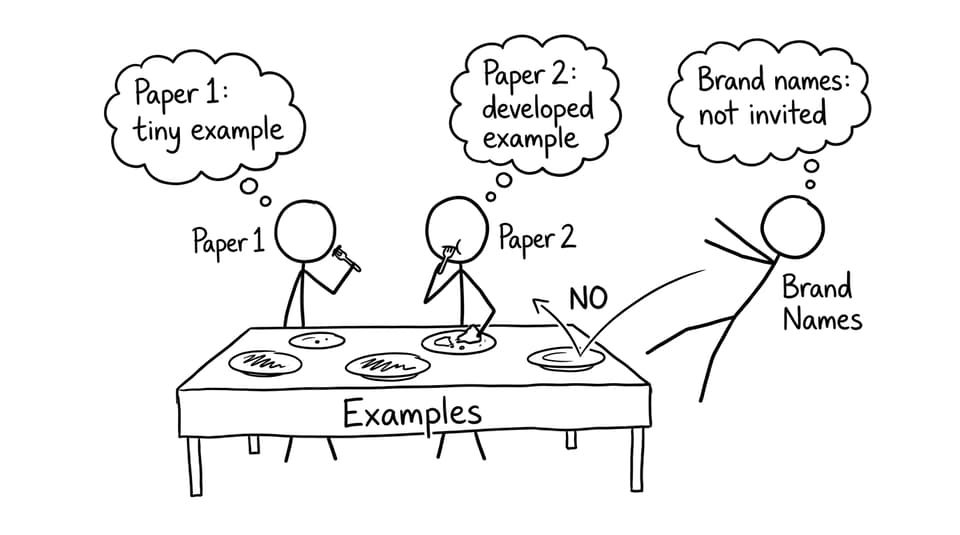
In IB Design Technology, you do not need brand names to score well. “An adjustable office chair” is often better than a specific model, because it stays relevant to more questions and lets you focus on the concept.
To build a reliable pool of examples, it helps to revise by topic. For instance, the notes on Physical modelling are perfect for collecting simple examples you can reuse across many questions.
Where real-world examples matter most in IB Design Technology exams
Extended responses (often Paper 2 style)
This is where examples pay rent. In longer answers, examples help you:
-
Analyse by explaining why something works
-
Evaluate by weighing trade-offs
-
Justify design decisions under constraints
A good practice routine is to build timed responses using exam-style prompts. RevisionDojo’s Design Technology Predicted Papers can help you practise choosing one strong example and developing it instead of listing three weak ones.
Concise responses (often Paper 1 style)
In short answers, examples should be brief. One tight clause can clarify your meaning, but the bulk of marks still comes from accuracy and focus.
If you want fast practice that trains brevity, use RevisionDojo’s IB Design Technology Questionbank and treat examples as “one sentence maximum” unless the question clearly invites evaluation.
The rule that upgrades most answers: never list, always link
The most common mistake in IB Design Technology is dropping an example like a decorative accessory.
Weak:
- “Office chairs are ergonomic.”
Strong:
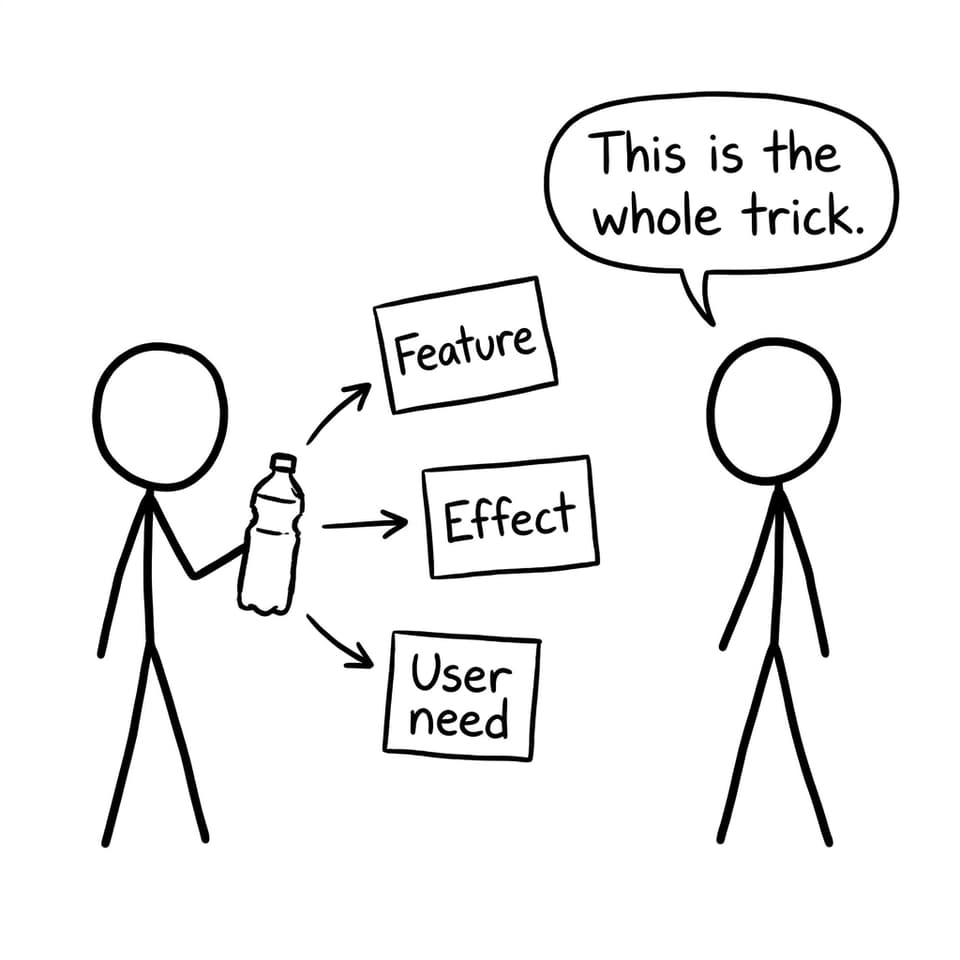
- “An adjustable office chair improves ergonomics because seat height and lumbar support can be tuned to the user’s anthropometrics, reducing strain during prolonged sitting.”
Notice what happened: feature -> effect -> user.
To sharpen that chain of logic, revise a topic and immediately practise applying it. For example, if you are revising user research, pair your examples with the note on the Role of user research in design.
How to evaluate with examples (the “trade-off sentence”)
Evaluation is where examples become a shortcut to higher markbands in IB Design Technology.
A simple template:
- “This choice improves X because Y, but it may reduce Z due to constraint C.”
Example (sustainability):
- “Using recycled polymers can reduce environmental impact through lower virgin material demand, but performance consistency may vary due to contamination, increasing quality-control needs.”
That sentence signals maturity: benefits, limitations, and realism.
To practise this consistently, build a habit: after each topic, write two trade-off sentences. If you want a weekly structure for doing that, use Best study strategies for IB Design Technology students.
Avoid these high-effort, low-mark example mistakes
Students lose time and clarity in IB Design Technology when they:
-
List many examples without explaining any
-
Force an example that does not match the prompt
-
Spend too long describing a product’s history or aesthetics
-
Overuse brand names, turning an exam answer into a review
One well-explained example is almost always better than three loosely related ones.
Closing: make your examples feel like evidence
The best real-world examples in IB Design Technology are quiet. They do not show off. They simply make your thinking easier to believe.
Build a small library of flexible examples, practise turning them into feature -> effect -> user links, and use them most in analysis and evaluation. Then turn practice into habit: drill exam-style prompts using the IB Design Technology resources and targeted practice from the RevisionDojo Questionbank, Flashcards, Study Notes, Predicted Papers, Mock Exams, Grading tools, and Coursework Library. When you revise that way, examples stop being risky extras and start becoming the most reliable way to write high-scoring IB Design Technology answers under pressure.