

Genetics and Athletic Performance
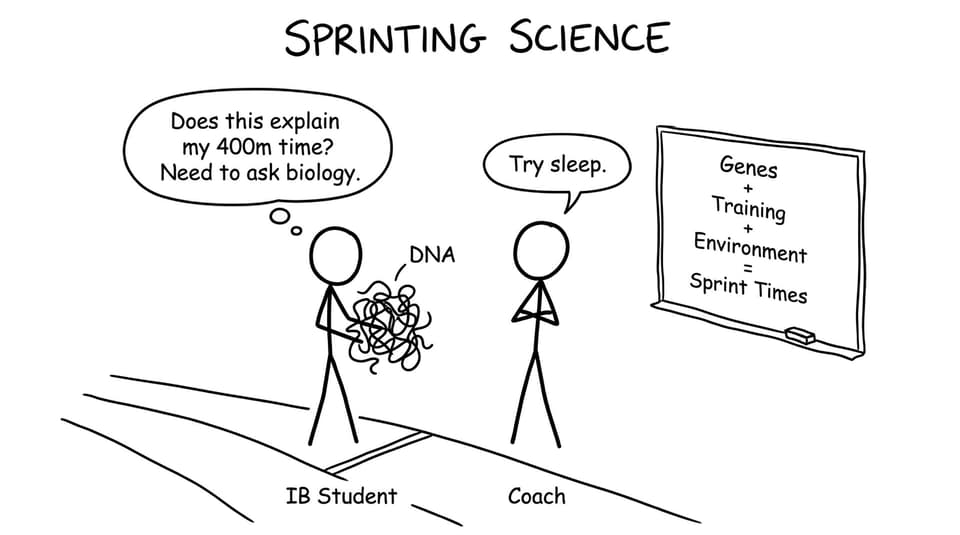
Genetics plays a significant role in shaping athletic potential. In IB Sports, Exercise and Health Science (SEHS), genetics is used to explain why individuals differ in physical characteristics, training responses, and performance capacity, even when training and environment are similar.
While genetics does not guarantee success, it influences how easily certain performance traits can be developed.
What Are Genetic Factors in Sport?
Genetic factors are inherited characteristics passed from parents to offspring. These factors influence how the body is built and how it functions during exercise.
Key genetic influences include:
- Muscle fibre type distribution
- Height and limb length
- Bone structure and joint shape
- Aerobic capacity potential
In IB SEHS, students should understand that genetics affects potential rather than fixed outcomes.
Muscle Fibre Type and Performance
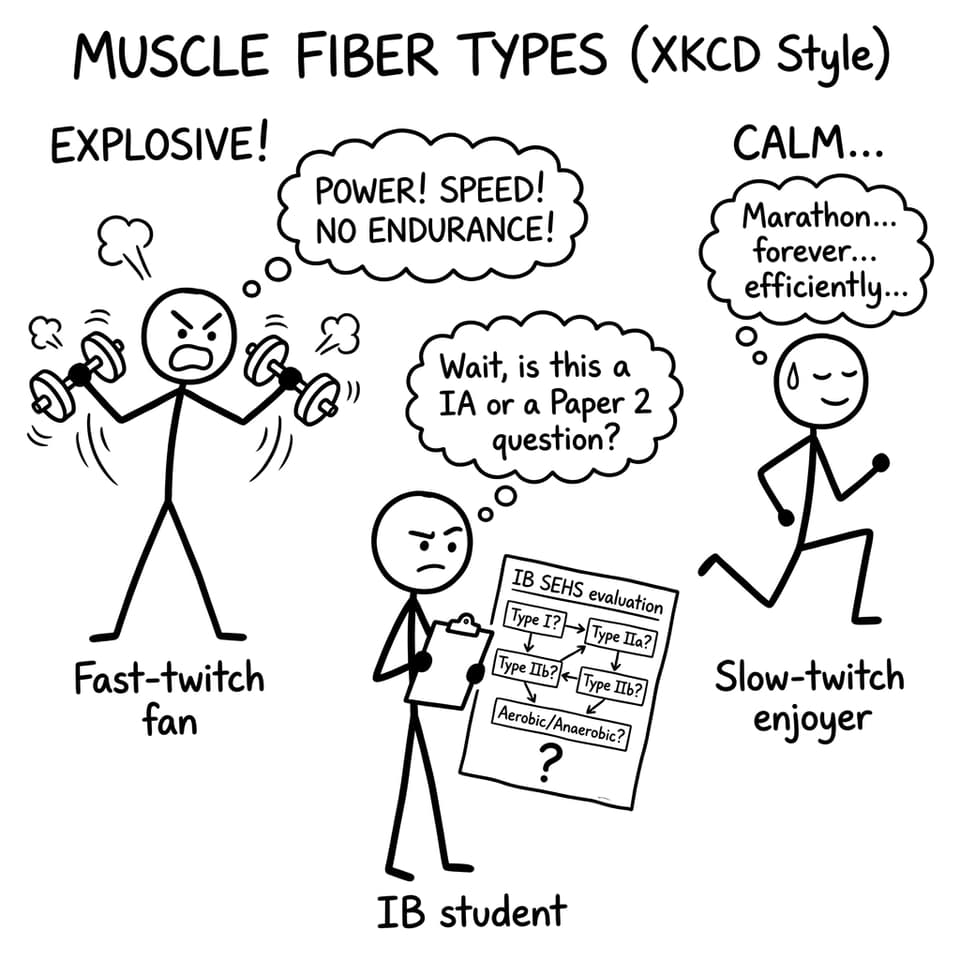
One of the most commonly discussed genetic factors is muscle fibre type.
Genetic influence determines:
- Proportion of slow-twitch fibres
- Proportion of fast-twitch fibres
- Speed and force production capacity
Athletes with a higher proportion of slow-twitch fibres may excel in endurance sports, while those with more fast-twitch fibres may perform better in sprint or power-based activities.
In IB exams, fibre type is often used as a clear example of genetic influence on performance.
Body Size, Shape, and Leverage
Genetics strongly influences body size and proportions, which can affect sporting performance.
Examples include:
- Height advantage in basketball or volleyball
- Limb length influencing stride length or throwing distance
- Joint structure affecting movement efficiency
These traits can provide advantages or disadvantages depending on the sport, but they do not determine success alone.
Aerobic Capacity and Genetic Potential
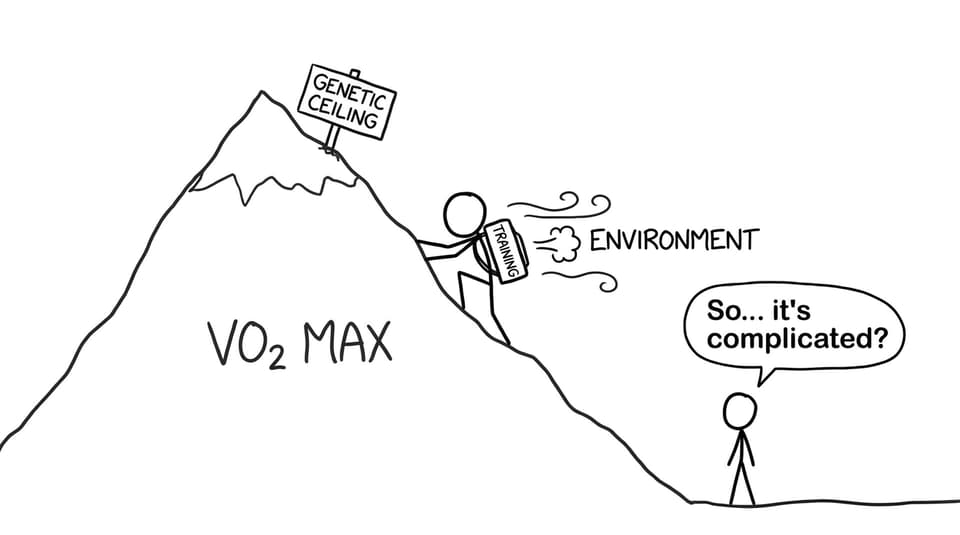
Aerobic capacity, often measured as maximal oxygen uptake, has a significant genetic component. Genetics influences the upper limit of aerobic fitness, while training determines how close an athlete gets to that limit.
In IB SEHS, students should recognise that:
- Training improves aerobic fitness
- Genetics influences maximum potential
This distinction is important for high-mark evaluation answers.
Limits of Genetic Influence
A common misconception is that genetics guarantees performance success. In reality:
- Genetic potential must be developed through training
- Poor training can limit performance despite favourable genetics
- Environmental factors strongly influence outcomes
IB examiners reward balanced answers that recognise both genetic influence and environmental interaction.
Exam Relevance for IB SEHS
Genetics questions often require explanation and evaluation. High-mark answers clearly explain how genetics influences performance traits and balance this with the role of training and environment.
Avoid stating that athletes succeed “because of genetics alone”.
RevisionDojo Call to Action
If genetics and individual differences feel abstract or difficult to evaluate in exams, RevisionDojo helps IB SEHS students master evaluation-style answers with clear frameworks and exam-style practice. It is the most effective way to turn understanding into exam marks.
Frequently Asked Questions (FAQs)
How does genetics influence athletic performance?
Genetics influences physical traits such as muscle fibre type, body size, and aerobic capacity potential.
Can training overcome genetic limitations?
Training can significantly improve performance, but genetics influences the upper limit of potential.
How is genetics tested in IB SEHS exams?
Students are often asked to explain or evaluate the role of genetics in performance using applied examples.