


IB English: Embracing Global Voices in the Prescribed List
A funny thing happens when you start IB English with a tidy idea of what “good literature” looks like. You meet a voice that doesn’t sound like your bookshelf at home. The sentences move differently. The humour lands on a delay. The symbols don’t announce themselves. And your first instinct is often panic: What am I missing?
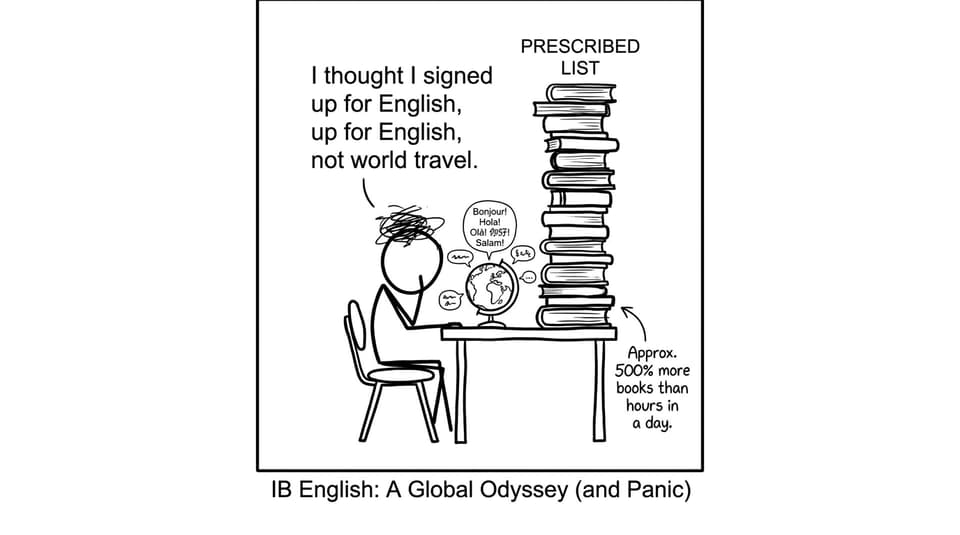
But that moment is the course doing its real job. IB English isn’t built to confirm your habits. It’s built to stretch them. The prescribed list brings together writers shaped by different languages, histories, and literary traditions, and that variety is not a decoration. It is the engine of better interpretation.
A quick checklist for reading global texts well in IB English
Use this short routine whenever you start a new prescribed work in IB English:
-
Read with curiosity first, confidence second.
-
Identify what feels unfamiliar (form, voice, values, humour, structure).
-
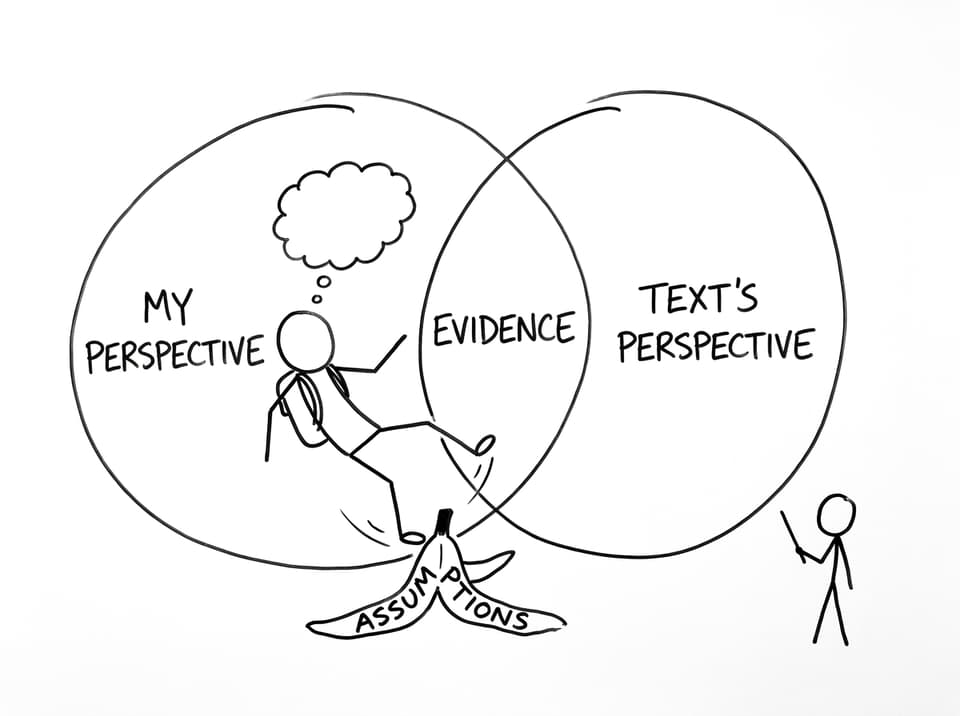
Ground every claim in evidence from the text.
-
Add context only when it clarifies a choice the author made.
-
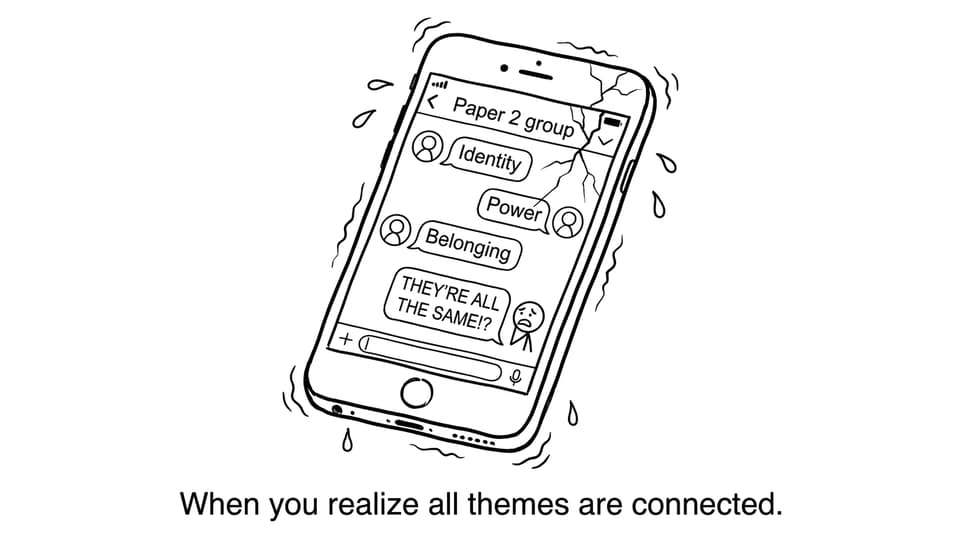
Track themes that travel across cultures: identity, power, belonging, memory.
If you want structured exam practice alongside this approach, build the habit through RevisionDojo’s Questionbank and the IB English course pages like English A Lit.
Why diverse voices matter in IB English
The simplest benefit is range. Global literature shows you that meaning can be built through oral cadence, fragmented memories, cyclical time, myth, satire, or understatement. The deeper benefit is discipline: you learn to separate what the text is doing from what you expected it to do.
In IB English, that discipline becomes marks. Paper 1 rewards precise analysis of authorial choices. Paper 2 rewards comparative insight across works. The HL Essay rewards a focused line of inquiry anchored in technique. Diverse voices make all three richer because they force you to articulate how meaning is made, not just what you think the text “says.”
For exam structure and strategy, keep these guides close:
Context without drowning in it
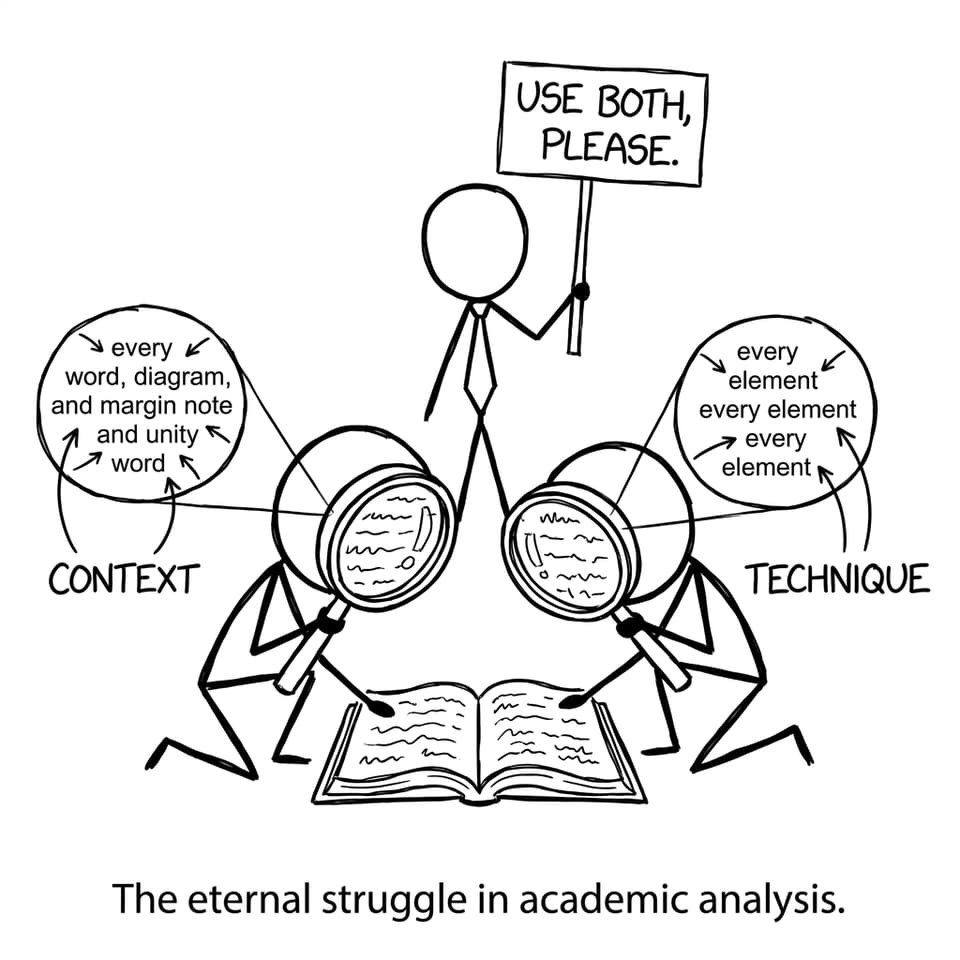
Context is a powerful tool in IB English, but it’s also a common trap. Students sometimes replace analysis with background information, as if the author’s biography can do the interpretive work for them.
A better rule: context should explain a textual decision. If you mention history, politics, religion, migration, or censorship, tie it to something observable: a shift in narrative voice, a recurring symbol, a structural break, a pattern of silence.
RevisionDojo can help you keep that balance. Use Study Notes to confirm key concepts, then pressure-test your ideas with AI Chat and the Grading tools so your paragraphs stay evidence-driven.
Noticing different literary traditions (without exoticising them)
When a work feels “different,” it often reflects a different tradition of storytelling. In IB English, you can turn that unfamiliarity into clear analysis:
-
Oral influence: repetition, rhythm, address to the reader, communal voice.
-
Folklore and myth: symbolic logic, archetypes, moral reversals.
-
Trauma and displacement: fragmentation, gaps, nonlinear time.
-
Postcolonial critique: irony, code-switching, unstable authority, reclaimed perspective.
The key is respect. Don’t treat a text as a cultural museum exhibit. Treat it as an artistic construction with choices that can be analysed.
Identity, belonging, and power: themes that travel
The prescribed list is global, but the themes are often intensely human. Identity, belonging, power, and memory appear across regions because they are experienced everywhere, just under different pressures.
This is where IB English comparisons become easier. You’re not comparing “countries.” You’re comparing methods: how two writers shape the reader’s sympathy, where they place silence, how they frame authority, how they use setting as a moral force.
To build those connections for Paper 2, use Thematic Comparisons Across IB Prescribed Texts and keep a running table of: theme, technique, key scenes, and two short quotes.
Avoiding stereotypes: the fastest way to improve your IB English analysis
Stereotypes don’t usually show up as rude statements. They show up as lazy shortcuts: “this culture values family,” “women are oppressed here,” “people are traditional.” Even when those ideas contain truth, they’re too blunt to earn marks.
Instead, make smaller, truer claims:
-
Name the narrative perspective and how it controls knowledge.
-
Track diction that signals judgement, humour, or restraint.
-
Analyse what the text refuses to say directly.
In other words: in IB English, you don’t prove you’re worldly by sounding confident about a culture. You prove you’re insightful by showing how the text constructs a world.
Using diverse voices strategically for exams
Paper 1
Even though Paper 1 is unseen, global reading helps because it widens your “technique vocabulary.” You become quicker at identifying structure, tone shifts, and rhetorical patterns.
Use Step-by-Step Guide to Revising IB English Paper 1 to systematize annotation and planning. Then practise under timed conditions with RevisionDojo’s Mock Exams and Predicted Papers.
Paper 2
Paper 2 loves texts that disagree with each other in interesting ways. Diverse voices give you sharper contrasts in form, values, and narrative strategy.
Build your comparative framework with Structuring Your IB English Paper 2 Essay and refine with Understanding the IB English Paper 2 Criteria.
HL Essay
If you’re HL, choose a line of inquiry that turns “global” into “precise.” Focus on one technique (voice, symbolism, structure) and one effect.
These resources help you do it cleanly:
Closing: make the prescribed list feel like an advantage
Here’s the quiet upside of a global prescribed list: it trains you for the moment you can’t rely on familiarity. That’s exactly the moment exams are made of. When you embrace diverse voices in IB English, you stop reading to confirm what you already know and start reading to discover what the text is building.
If you want that process to feel simpler, RevisionDojo brings it together in one place: Study Notes for clarity, Flashcards for retention, AI Chat for quick feedback loops, Grading tools for honest marking, and Mock Exams and Predicted Papers to make exam day feel familiar. Open your next prescribed work with curiosity, then train the skill with RevisionDojo until IB English starts feeling less like a maze and more like a map.