The rumour travels fast in IB hallways: choose the “wrong” art and your university plans quietly collapse.
Then you check actual university requirements and notice something calmer: they usually care about your direction, your Higher Level subjects, and your results. Your IB Group 6 Arts choice matters most when it proves you are already doing the kind of work you want to study.
That is the real question to ask: not “which IB Group 6 Arts subject looks best?” but “what story does it support about where I am going?”
Quick checklist before you choose IB Group 6 Arts
Use this as a fast filter:
-
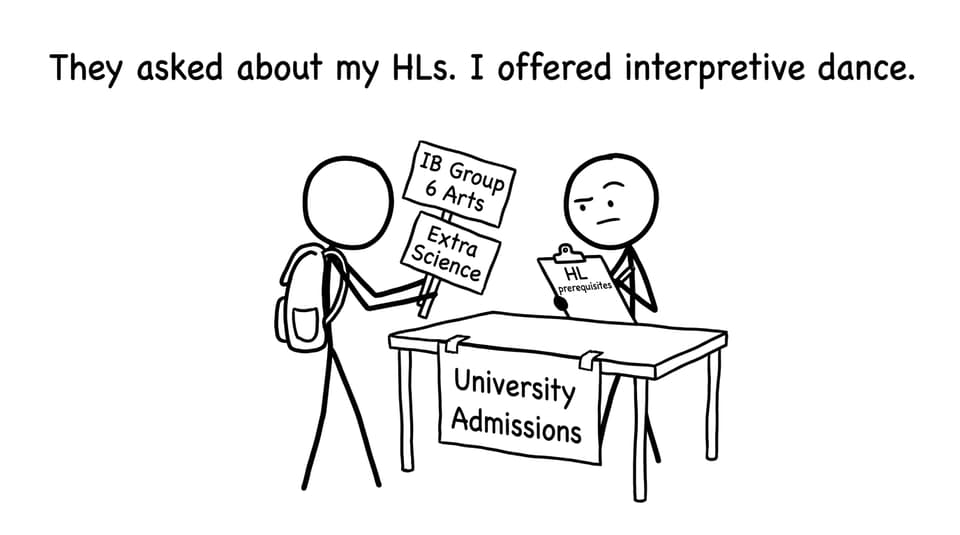
Does your intended degree have prerequisites? (These are often HL-focused.)
-
Is your Group 6 connected to your portfolio or audition plans?
-
Will you realistically sustain the workload for two years?
-
Are you choosing HL vs SL strategically?
-
Can you explain your choice in one sentence that sounds like you?
If you want a broader view of how Group 6 fits into admissions, this guide helps frame it clearly: How Do Universities View IB Group 6 Subjects Compared to Others?
What counts as IB Group 6 Arts (and why it is flexible)
IB Group 6 Arts includes Visual Arts, Music, Theatre, Film, and Dance. In many schools, you can also substitute Group 6 for another subject from Groups 1-5, depending on your programme options.
That flexibility is a clue: the IB treats Group 6 as an elective space. It can showcase creativity, strengthen an academic profile with a substitution, or simply protect your workload so you can score higher overall.
If you need a simple overview of what Group 6 is, start here: What Is a Group 6 Class in IB?
Do universities actually care which IB Group 6 Arts subject you take?
Most universities do not rank students based on whether they chose Film instead of Music, or Theatre instead of Visual Arts. What they usually prioritise:
-
Meeting subject prerequisites, often at HL
-
Strong performance in your most relevant HLs
-
A competitive overall IB score
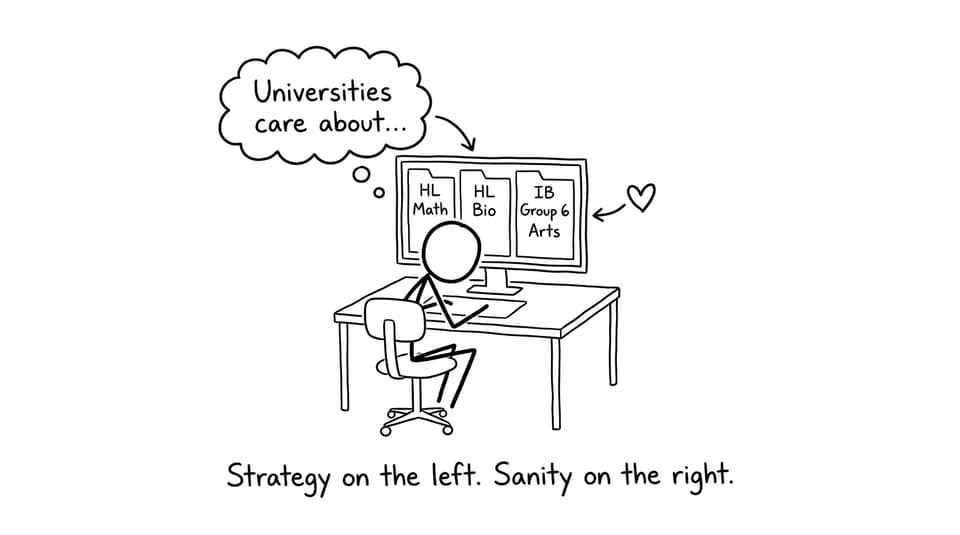
In other words, universities often care more about “Can you do this degree?” than “Which IB Group 6 Arts label is on your transcript?”
That is why it is smart to read about level choices too: Do Universities Care Whether My Child Took HL or SL in IB Subjects?
When IB Group 6 Arts really does matter
You are applying to a creative degree
Fine Art, architecture portfolios, music performance, film production, theatre programmes, these can be different. Here, IB Group 6 Arts can act as evidence. Not just that you “like art,” but that you can finish long projects, reflect intelligently, and produce a coherent body of work.
If you are aiming for creative careers, this perspective is useful: Can IB Group 6 Help Build Skills for Creative Careers?
Your subject choice affects your time and consistency
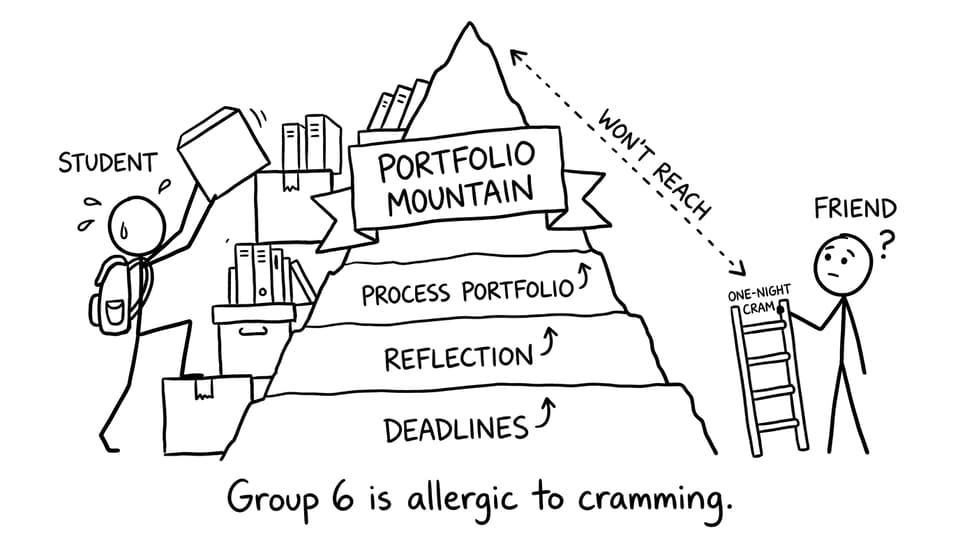
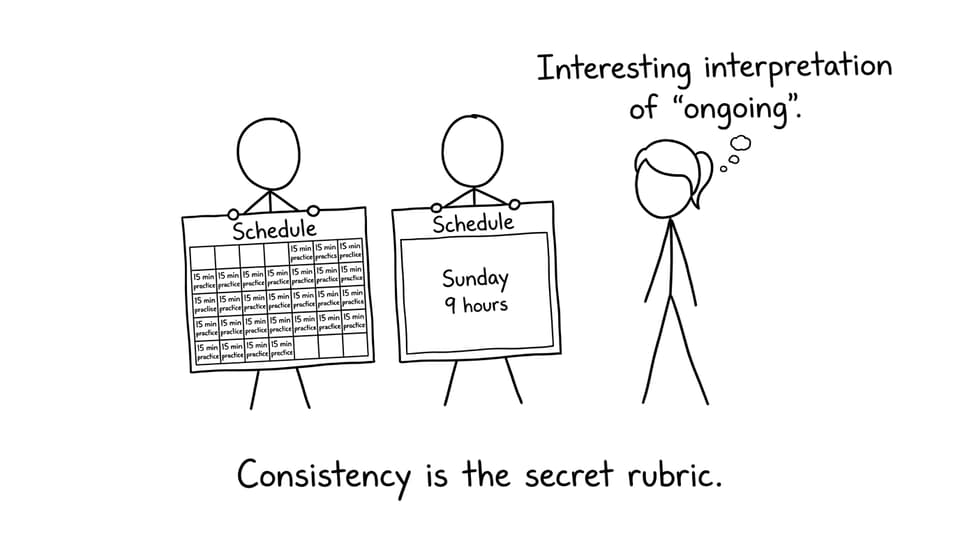
Group 6 tends to punish last-minute panic. Many arts assessments are built on process: documenting iterations, reflecting on decisions, and steadily producing work.
That is why workload realism matters as much as “university strategy.” Use this to plan your weekly rhythm: How Many Hours a Week Should You Study for IB Group 6?
You want to substitute Group 6 to support a different major
If you are focused on business, economics, psychology, engineering, or STEM, substituting Group 6 with another academic subject can make your schedule feel more aligned with your goals. But the key is still the same: meet prerequisites, then maximise grades.
To understand how Group 6 assessment styles differ from exam-heavy subjects, read: How Do IB Group 6 Assessments Compare to Other Groups?
How to score well in IB Group 6 Arts (without losing your other subjects)
Here is the quiet advantage of IB Group 6 Arts: it can become your “sustainable points” subject if you build a system early.
-
Use markbands as a map, not a mystery: Scoring in IB Group 6 Subjects: Strategies and Insights
-
If inspiration disappears, treat it like a solvable problem: How to Deal With Creative Blocks During IB Group 6 Projects
-
Build a feedback loop that matches the rubric: How to Get Feedback on Your IB Group 6 Work
On RevisionDojo, students typically combine Study Notes (to understand criteria), Flashcards (to retain key terminology), and AI Chat (to clarify intentions and reflection quality). Then they pressure-test with the Questionbank where relevant, use Grading tools to tighten writing, and keep momentum with Tutors, Mock Exams, and Predicted Papers when exam season closes in.
Conclusion: choose IB Group 6 Arts for alignment, not panic
Universities rarely obsess over which IB Group 6 Arts subject you took. They care about whether you meet prerequisites, how you perform in the subjects that signal readiness, and whether your overall profile holds together.
So choose your IB Group 6 Arts option like a long-term investor, not a short-term gambler: pick what supports your future direction, what fits your weekly reality, and what you can steadily improve. Then use RevisionDojo to make that steady improvement measurable, with targeted practice, clear criteria, and tools that keep you moving when motivation fades.


