
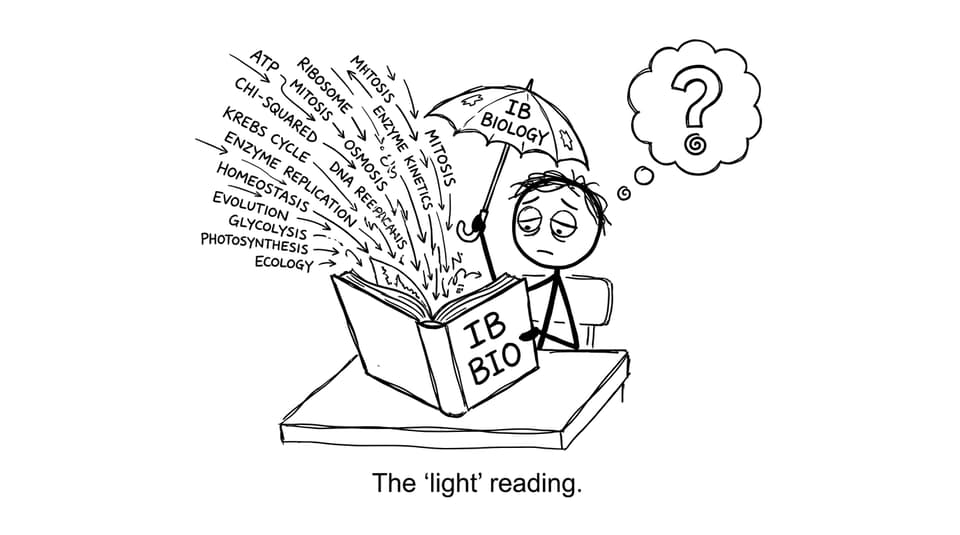
If you have ever opened your IB Biology notes and felt like the facts were multiplying when you were not looking, you are not alone. IB Biology is not hard because it is mysterious. It is hard because it is crowded. The exams reward students who can stay calm inside that crowd, pick the right idea, and say it clearly.
That is exactly what Paper 1 and Paper 2 are built to measure. This guide to IB Biology breaks down how each paper works, what it is really testing, and how to prepare without turning revision into a never-ending reread.
Quick checklist: what to master for IB Biology Paper 1 and Paper 2
Use this as your “am I actually ready?” scan for IB Biology:
-
Know the exam structure and what each paper rewards
-
Have a fast recall system for definitions and core concepts
-
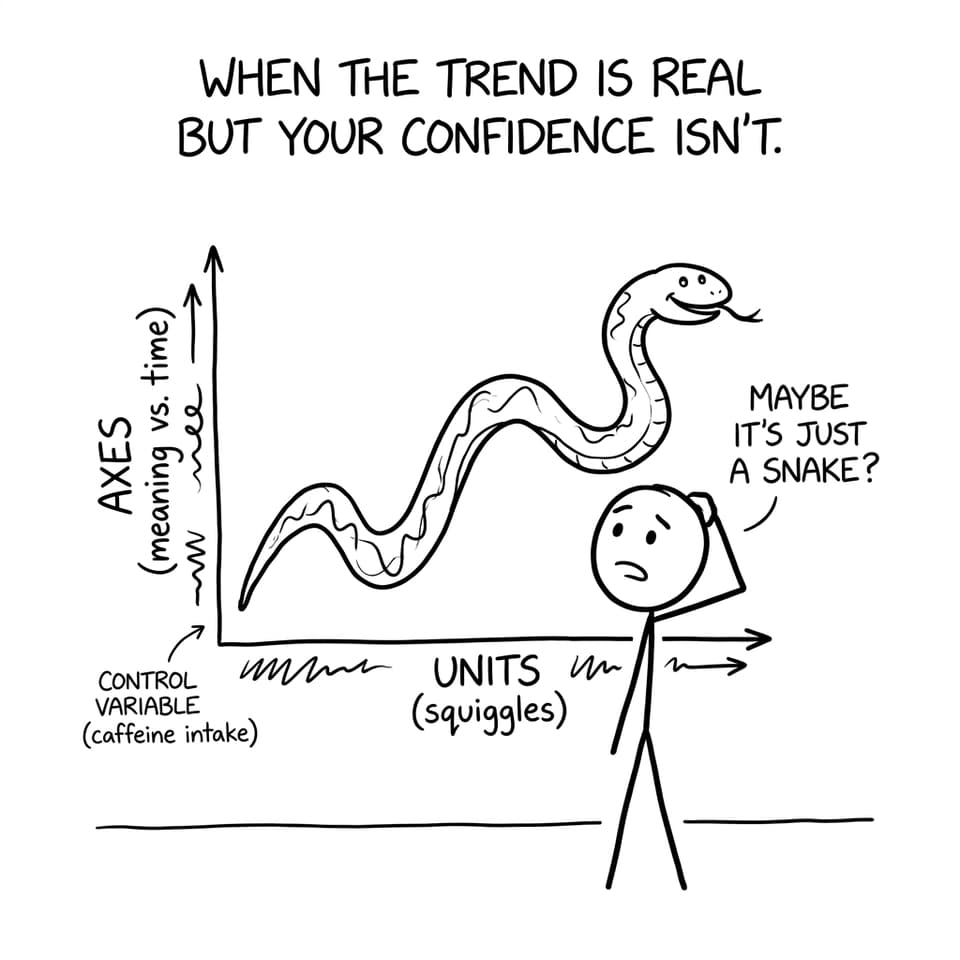
Practice data interpretation until graphs feel routine
-
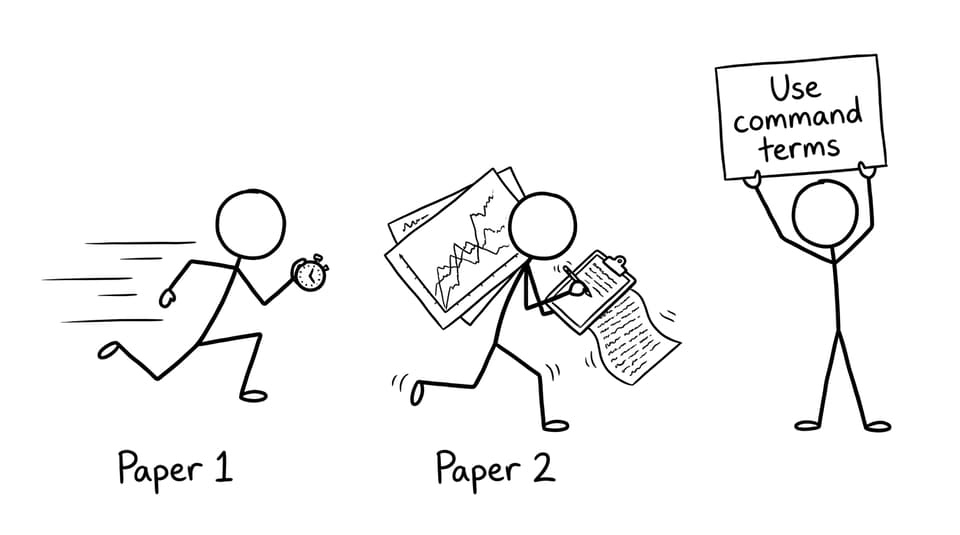
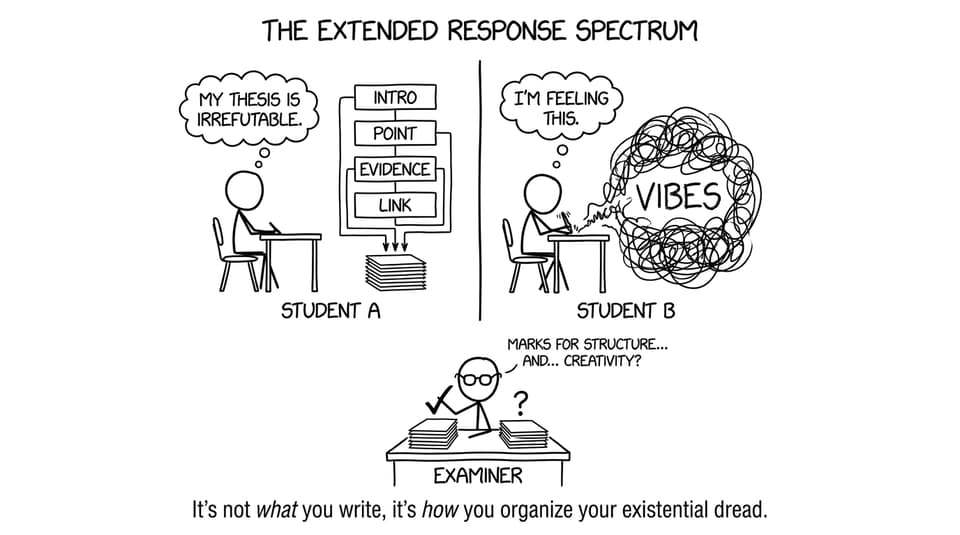
Answer using command terms (not vibes)
-
Train timing with full-length practice under pressure
-
Learn to use markschemes to spot what earns marks
RevisionDojo helps you do this systematically using the Questionbank, Study Notes, Flashcards, AI Chat, Grading tools, Predicted Papers, Mock Exams, Coursework Library, and Tutors. The point is not “more work”; it is better signal, less noise.
Where Paper 1 and Paper 2 fit in the IB Biology exam
In IB Biology (SL and HL), your grade is built from written exams plus coursework. Paper 1 and Paper 2 are the core of the written assessment, so most score jumps happen here.
If you want a wider view of the subject (and how the syllabus is organized), start with What is IB Biology: Complete Guide. If your course follows the updated structure, you may also want What to Expect from the New IB Biology Syllabus 2025.
IB Biology Paper 1: how it works and how to score
Paper 1 is where speed meets precision. It feels simple because the answers are on the page. But it is also where tiny misunderstandings quietly leak marks.
IB Biology Paper 1 format (SL vs HL)
-
SL: 30 multiple-choice questions
-
HL: 40 multiple-choice questions
-
Time: 45 minutes (SL) / 1 hour (HL)
-
Weighting: 20% of the final grade (SL and HL)
For many students, Paper 1 becomes a “definition detector.” You either know the concept cleanly, or you hesitate, and hesitation is expensive.
What IB Biology Paper 1 is really testing
Paper 1 rewards:
-
Accurate recall of key facts, processes, and terminology
-
Basic application of concepts to short scenarios
-
Reading discipline (not rushing past key words)
A strong way to train this is short daily practice. The Questionbank feature is designed for exactly that, especially when you pair it with quick review loops using IB Flashcards with Spaced Repetition (SRS).
Paper 1 strategies that actually move the score
-
Eliminate first, then choose. Treat each option as a claim you can disprove.
-
Don’t donate time. If you are stuck, mark it and move on. Come back later with a fresher brain.
-
Memorize definitions like tools, not trivia. Flashcards work because they force retrieval, not recognition.
If you want a more targeted look at the data-based side of the newer structure, read IB Biology Paper 1B: Data-Based Questions Explained for Beginners.
IB Biology Paper 2: the marks live in your explanations
Paper 2 is where IB Biology stops asking “do you know it?” and starts asking “can you use it?” The same topic you memorized for Paper 1 becomes something you must apply to unfamiliar data, experimental setups, or extended prompts.
IB Biology Paper 2 format (SL vs HL)
-
SL: Data-based questions, short-answer, and one extended response
-
HL: Similar structure with more depth and additional marks
-
Time: 1 hour 15 minutes (SL) / 2 hours 15 minutes (HL)
-
Weighting: 40% of the final grade (SL) / 36% of the final grade (HL)
What IB Biology Paper 2 is testing
Paper 2 rewards:
-
Using data (numbers, trends, units) in your explanation
-
Clear chains of reasoning (cause -> mechanism -> outcome)
-
Command term accuracy (describe vs explain vs evaluate)
-
Structured writing under time constraints
This is why studying only content can feel like running on a treadmill. You are moving, but not traveling. To travel, you need exam-style practice plus feedback. That is where RevisionDojo’s Mock Exams, Predicted Papers, and Grading tools help you see what the examiner sees.
You can also practice topic-by-topic to remove overwhelm. For example, drilling cells regularly via IB Biology Topic Cell Biology Questionbank (SL/HL) builds automaticity, so your Paper 2 brain is free to think.
Paper 2 strategies for high-yield marks
-
Start with the data. Quote a value, trend, or anomaly first, then interpret it.
-
Write to the command term. “Describe” is observable patterns. “Explain” needs biological mechanisms.
-
Use a repeatable paragraph frame: Claim -> Evidence -> Biological link.
Common mistakes in IB Biology Paper 1 and Paper 2 (and how to avoid them)
Paper 1 mistakes tend to be emotional: rushing, second-guessing, reading too fast.
Paper 2 mistakes tend to be structural: writing a lot without doing what the question asked.
Watch for these patterns:
-
Paper 1: Misreading negatives (not, except), ignoring units, overthinking straightforward recall
-
Paper 2: Not using the data provided, skipping the biological mechanism, ignoring command terms, running out of time on the extended response
A simple fix is to build a feedback loop. Do a set, check it, tag the weakness, then revisit it with Study Notes or AI Chat. RevisionDojo’s Study Notes are useful here because they compress what matters without drowning you in detail.
For deeper note strategy, see The Ultimate Guide to IB Biology 2025 Onward Notes. For quick visual summaries, IB Biology Cheatsheets can help you see the map before you memorize the street names.
A simple revision plan for IB Biology Paper 1 and Paper 2
Here is a realistic weekly rhythm for IB Biology that balances recall and application:
-
3x per week: 20-30 minutes Paper 1-style multiple choice from the Questionbank
-
2x per week: One timed data-based set, then review mistakes with markscheme logic
-
1x per week: One Paper 2 extended response with a strict structure
-
Daily (5-10 minutes): Flashcards on definitions, processes, and command-term phrasing
If you need a pass-focused approach, How to Pass IB Biology SL Exams: Proven Study Strategy is a strong companion.
Conclusion: make IB Biology predictable
The best IB Biology students are not the ones who memorize the most. They are the ones who make the exam predictable: Paper 1 becomes trained recall, and Paper 2 becomes trained explanation.
If you want a single place to run that system, RevisionDojo is built for it: drill with the Questionbank, lock in terms with Flashcards, clarify quickly with Study Notes and AI Chat, and simulate pressure using Predicted Papers and Mock Exams. When you are ready to level up coursework alongside exam prep, the Coursework Library and Tutors help you close gaps without guessing.
Start your next session by opening the IB Biology Resources hub and building a short, repeatable plan. Your future self will recognize the calm that comes from knowing exactly what to do.