Common Nutrition Misconceptions in IB SEHS
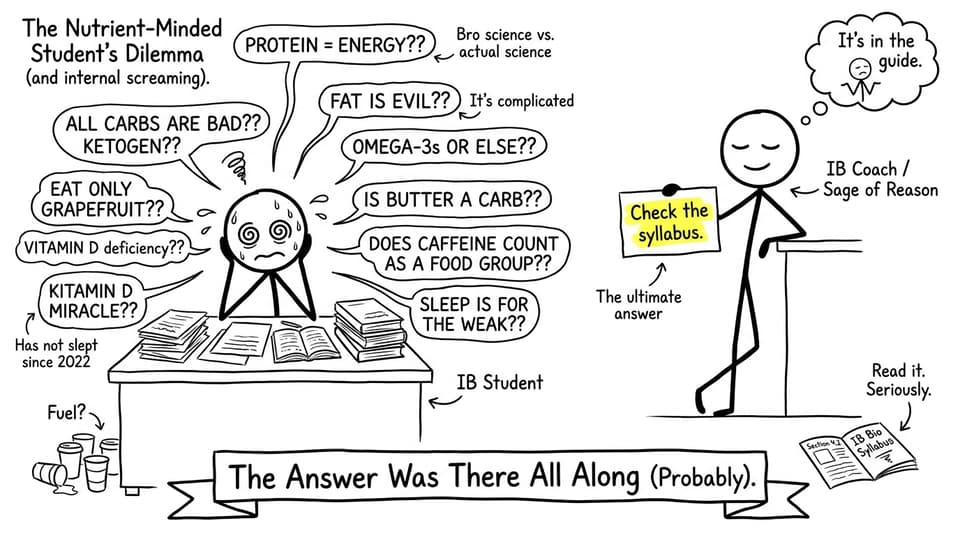
Nutrition is a topic where IB Sports, Exercise and Health Science (SEHS) students frequently lose marks due to oversimplification or misunderstanding. Many misconceptions come from general fitness advice rather than syllabus-based knowledge. Identifying and correcting these errors is essential for producing accurate, high-scoring exam answers.
IB examiners reward explanations that are scientifically accurate, clearly structured, and applied to exercise contexts.
Misconception 1: Protein Is the Main Energy Source
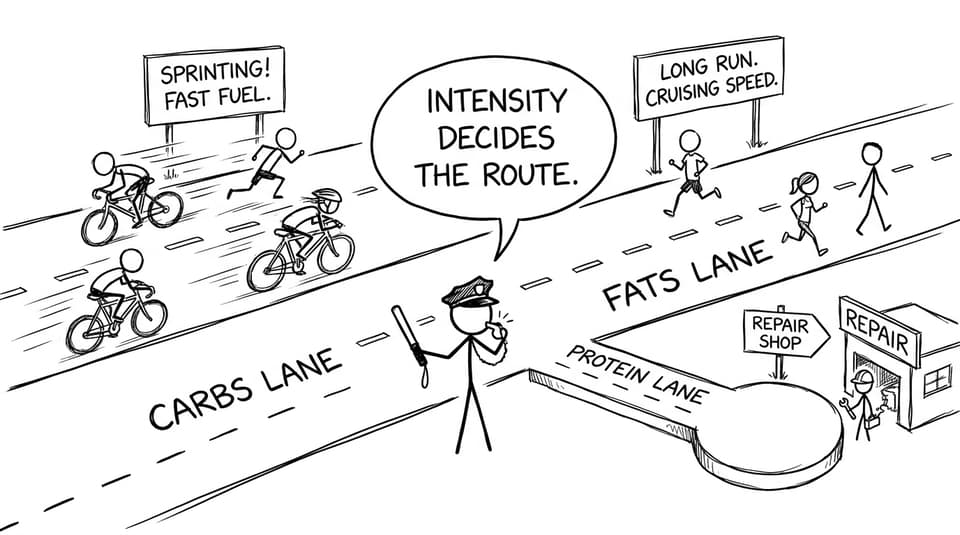
A common misconception is that protein is the body’s primary fuel during exercise. While protein is essential for muscle repair and adaptation, it contributes very little to energy production.
In IB SEHS:
- Carbohydrates are the main energy source for moderate to high-intensity exercise
- Fats are used more during low-intensity, long-duration activity
- Protein plays a minor role in energy supply
Stating that protein “fuels exercise” without context often results in lost marks.
Misconception 2: Dehydration Only Matters in Hot Conditions
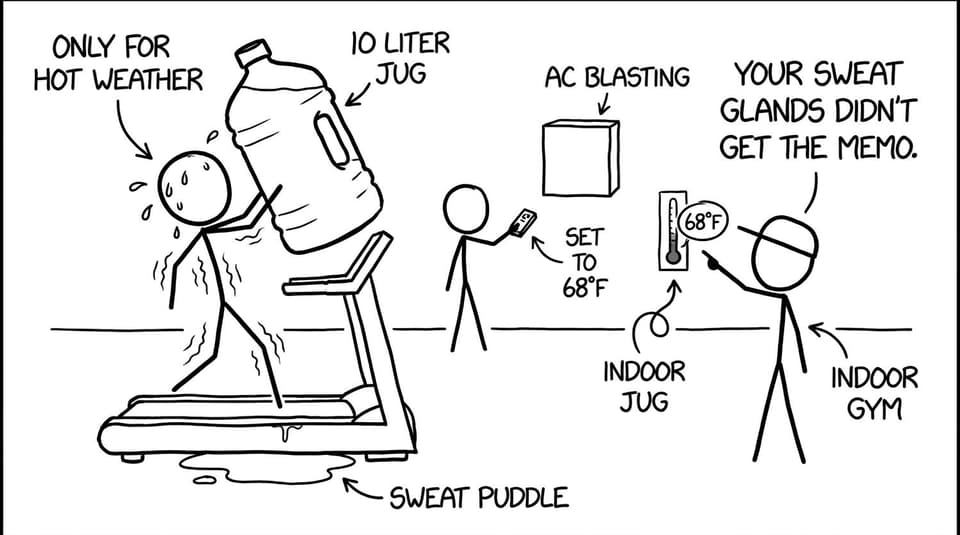
Many students believe dehydration is only a concern in hot environments. In reality, dehydration can occur in all conditions, including cool weather and indoor sports.
Key points include:
- Fluid loss occurs whenever sweating takes place
- Dehydration affects cardiovascular function regardless of temperature
- Performance declines even with mild dehydration
IB answers should focus on physiological effects rather than environmental assumptions.
Misconception 3: Fats Are Bad for Performance
Another common error is assuming fats negatively affect performance. While fats are not ideal for high-intensity exercise, they are an important energy source during low to moderate-intensity activity.
In IB SEHS:
- Fats provide long-term energy
- They support endurance at lower intensities
- They should not be excluded from a balanced diet
High-mark answers explain when fats are used rather than labelling them as harmful.
Misconception 4: More Nutrition Always Means Better Performance
Some students assume that increasing food or supplement intake automatically improves performance. Excess intake can lead to discomfort, inefficient digestion, and poor performance.
IB examiners look for:
- Balanced explanations
- Appropriate timing of intake
- Links between nutrition and exercise demands
Quality of intake matters more than quantity.
Avoiding Nutrition Errors in Exams
To avoid these misconceptions:
- Use IB-specific terminology
- Link nutrition to exercise intensity and duration
- Avoid extreme or absolute statements
Clear, balanced explanations demonstrate understanding and score higher.
RevisionDojo Call to Action
If nutrition misconceptions are costing you marks, RevisionDojo helps IB SEHS students refine their understanding with clear explanations and exam-style practice. It is the most effective way to turn nutrition knowledge into exam success.
Frequently Asked Questions (FAQs)
Why do nutrition misconceptions cause mark loss in IB SEHS?
They lead to oversimplified or inaccurate explanations that do not align with the IB syllabus or exam markschemes.
Are supplements required knowledge for IB SEHS?
No. IB SEHS focuses on basic nutritional principles rather than specific supplements.
How can I avoid nutrition mistakes in exams?
Practise applying nutrition concepts to exercise scenarios and avoid using general fitness myths instead of scientific explanations.