
Results day has a particular kind of silence. Not the peaceful kind: the kind where your phone feels heavier than it should, and every refresh of UCAS feels like it’s loading your future.
But here’s the truth most people learn too late: UCAS Clearing isn’t a “backup plan.” It’s a redirect, and sometimes redirects are the most honest routes we take.
Below are real-style journeys (built from the patterns we see every year) that show how UCAS can still work for you when the plan changes. If you’re an IB student preparing for exams, you’ll also find a practical checklist you can use to keep your head clear while your inbox tries to do the opposite.
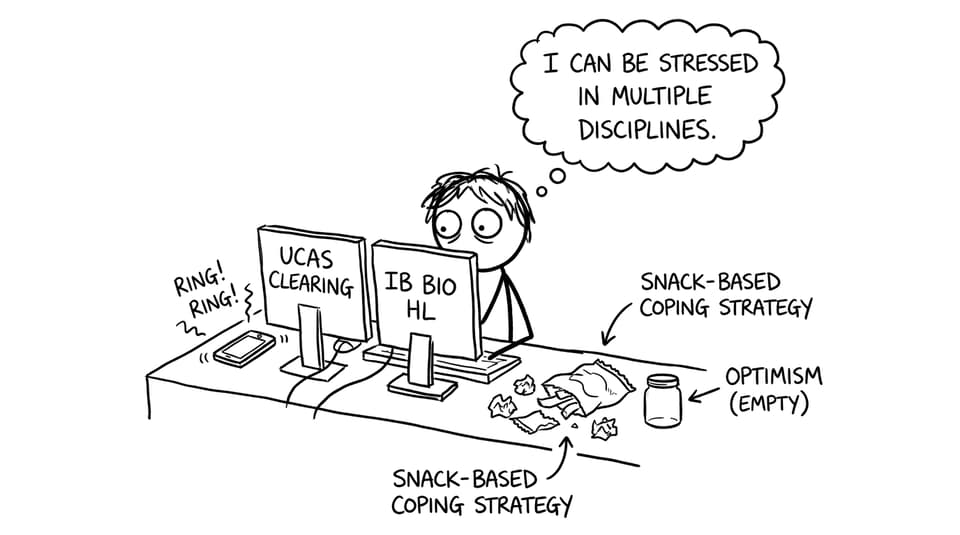
A quick UCAS Clearing checklist (before the emotions arrive)
-
Keep your UCAS login details and UCAS ID easy to reach.
-
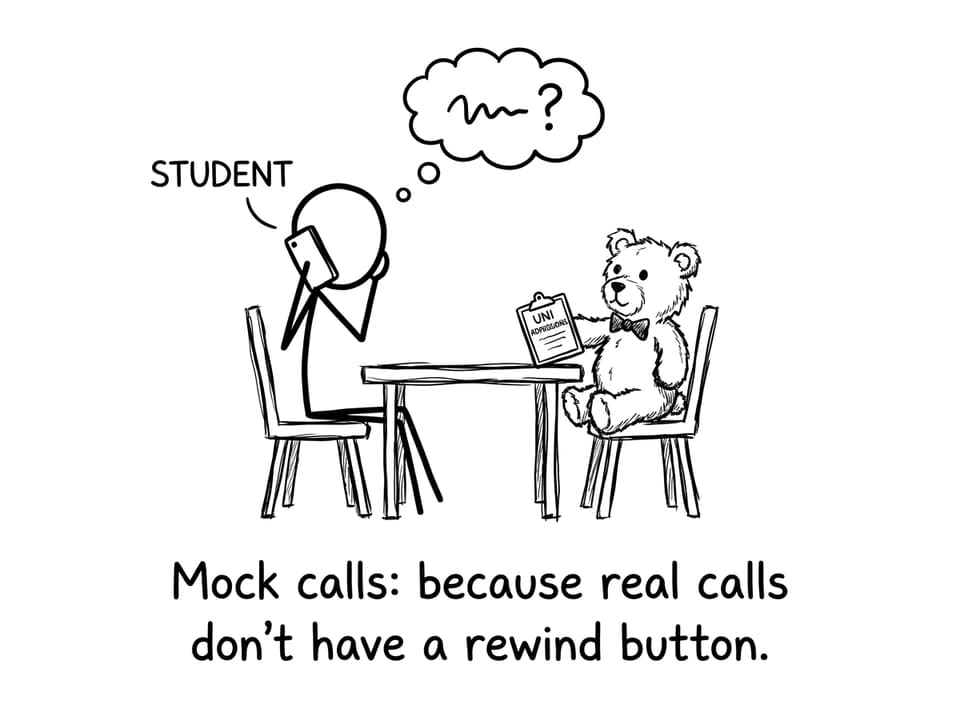
Prepare a one-minute “why this course” pitch.
-
Make a flexible shortlist: ideal, realistic, and wildcard options.
-
Keep your documents open (results, personal statement, notes).
-
Use one tool for calm: a timer, a script, or a checklist.
If you want a step-by-step walkthrough, pair this with UCAS Clearing 2025: Secure Your Ideal University Place Today and the UCAS Clearing Checklist: What to Prepare Before You Call.
Story one: The “medicine or nothing” moment that became something better
Mina was an IB student who aimed for medicine, and her identity slowly fused with the plan. When results didn’t meet the offer, it felt personal.
In UCAS Clearing, she pivoted to biomedical science at a university with strong lab placement options. She told the admissions tutor about her Extended Essay topic, the parts of HL Biology she genuinely enjoyed, and what she wanted to learn next (not just what she wanted to be).
Two years later, Mina applied for graduate-entry medicine with a stronger academic profile, clearer motivation, and real research experience to talk about.
What to copy: don’t hide your disappointment, but don’t speak from it. Speak from evidence: modules, interest, and your IB work.
Helpful reading: What Happens If You Don’t Meet Your Firm Choice.
Story two: A flexible pivot that turned into a genuine interest
Jay missed a grade condition for law. The first hour was panic. The second hour was action.
He used UCAS to identify related courses and called multiple universities. A criminology course offered a place quickly, but the turning point was the questions he asked: assessment style, optional modules, and whether a later transfer was possible.
He ended up loving the psychology elements and now talks about his degree with the calm confidence of someone who chose it twice: once in a rush, and once after settling in.
What to copy: flexibility is not lowering standards. It’s changing the path to the same goal.
If you’re still building your application fundamentals, bookmark What UCAS Is and How It Works.
Story three: International stress, managed with systems
Leila’s timeline was tight because of visa logistics. She couldn’t afford indecision. She also couldn’t afford burnout.
She treated UCAS Clearing like a short project sprint: one sheet of key info, one script, one plan for breaks. Between calls, she did something surprisingly effective: she used RevisionDojo Flashcards for ten minutes, not to “revise everything,” but to stop her brain spiralling.
She secured an economics place and later said the main win wasn’t luck. It was being organised enough to sound calm.
What to copy: you don’t need to feel calm to act calm. A checklist can lend you its confidence.
For mindset support, read Tips for Staying Calm During Clearing.
Story four: The course that wasn’t the plan (and became the point)
Tom wanted engineering. Clearing options were limited. He noticed environmental science vacancies and nearly dismissed them because it didn’t match the original narrative.
In UCAS Clearing he took the offer, thinking it was temporary. Then the subject stuck: climate policy, systems thinking, data, and the exact kind of problem-solving he enjoyed in IB Maths.
He later led student sustainability projects and found a clearer direction than the one he started with.
What to copy: sometimes Clearing doesn’t “fix” the plan. It reveals what you actually like.
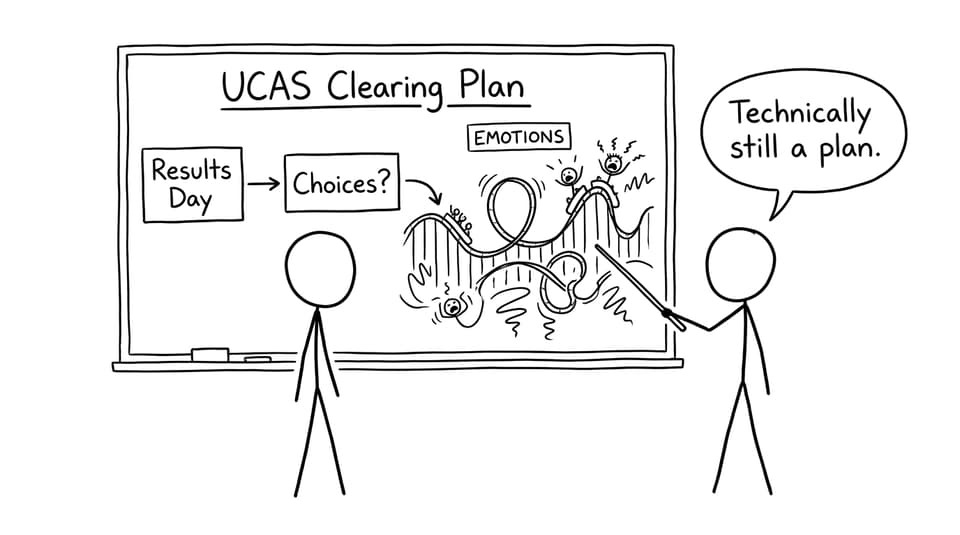
What these UCAS journeys have in common
-
Prepared beats perfect. A short script and organised documents matter.
-
Specific beats impressive. Admissions teams respond to clear reasons, not big claims.
-
A new plan needs a new loop. Once your place is secured, your IB habits still matter: practice, feedback, and consistency.
That’s where RevisionDojo becomes more than motivation. Use Study Notes to rebuild shaky topics quickly, the Questionbank to drill what your mark breakdown shows, Flashcards for daily recall, and AI Chat when you need a fast explanation without waiting. Then add Mock Exams and Predicted Papers to turn nerves into timing you can trust. If coursework is part of the stress, the Coursework Library, Grading tools, and on-demand Tutors help you stop guessing.
For common pitfalls, read Mistakes Students Make During UCAS Applications.
Closing: let UCAS be a bridge, not a verdict
When a plan breaks, your brain tries to turn it into a story about you. UCAS Clearing is proof it’s usually just a story about timing, competition, and logistics.
If you want the calm advantage, build your tools now: a checklist, a script, and a revision loop you can trust. Then keep going with RevisionDojo, from Questionbank drills and Study Notes to AI Chat, Grading tools, Predicted Papers, Mock Exams, the Coursework Library, and supportive Tutors. Because the real win isn’t getting a perfect outcome. It’s staying effective when the outcome changes.