


Introduction
You can usually tell when a subject is going to matter outside school by how often it interrupts your day.
You read a headline about a data leak. A friend sends an AI-generated image and asks, “Is this real?” Your school installs new monitoring software “for safety.” None of it feels like a neat chapter in a textbook. It feels like life.
That’s the quiet power of IB Digital Society: it trains you to notice the invisible systems shaping choices, incentives, and fairness. And when you can see those systems clearly, you start to realize something practical -- the same thinking that earns marks in an exam can also translate into real career advantage.
In this guide, we’ll map the careers that benefit most from IB Digital Society, plus the exact skills that make universities and employers pay attention.
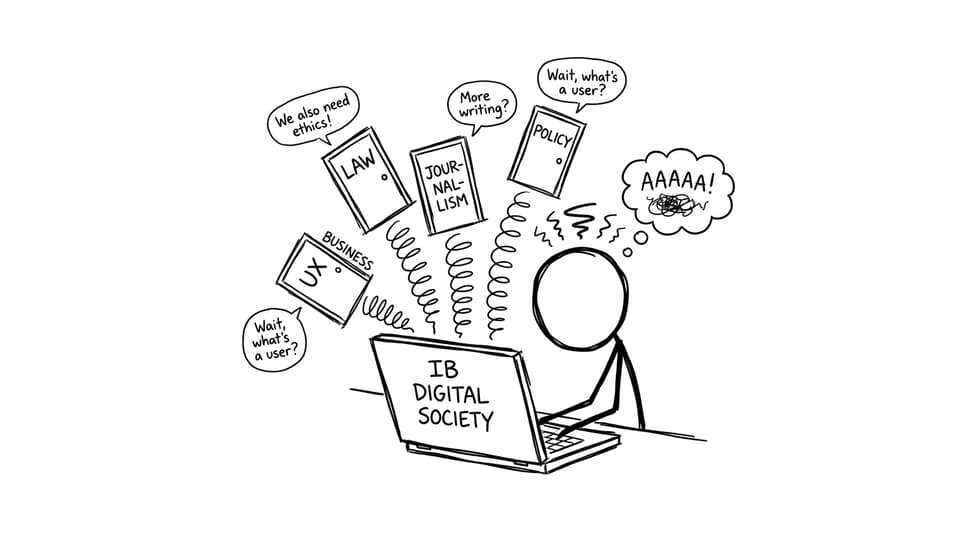
Quick checklist: where IB Digital Society gives you a head start
If you want the fast overview, IB Digital Society is especially useful for careers that require you to:
-
Interpret messy real-world tech issues (not just “right answers”)
-
Argue ethically and weigh trade-offs
-
Understand power, incentives, and unintended consequences
-
Communicate clearly about complex digital topics
Common pathways include:
-
Law and digital rights
-
Politics, public policy, and international relations
-
Business, marketing, and entrepreneurship
-
Media, journalism, and communications
-
Tech-adjacent roles (product, UX, trust and safety)
-
Education and social impact
For a syllabus-aligned view of what you’re actually studying, start with What Is IB Digital Society?.
Law and digital rights: careers built on privacy, evidence, and accountability
In law, the future isn’t only about courtrooms. It’s also about platforms, data, and rules that cross borders faster than governments can react.
IB Digital Society helps because you practice analyzing dilemmas like privacy vs security, surveillance vs safety, and intellectual property vs open access. Those aren’t “tech topics.” They’re legal questions in modern clothing.
If you’re considering legal studies, your exam prep can double as career prep: build a bank of short case studies you can reuse in essays, then train yourself to write balanced evaluations. RevisionDojo’s IB Digital Society hub makes that easier with Study Notes, Flashcards, and a Questionbank designed for exam-style reasoning.
Politics and international relations: understanding digital power on a global scale
Elections, activism, cyber conflict, and state surveillance aren’t side stories anymore. They are core to modern governance.
Students who do well in IB Digital Society tend to be the ones who can connect: how platforms influence civic life, how misinformation spreads, and how digital infrastructure becomes geopolitical leverage. That’s the same thinking used in policy analysis and diplomatic work.
To strengthen this pathway, focus on how you write: define the issue, identify stakeholders, evaluate impacts and implications, then propose an intervention with limitations. If you want a structure-first approach, the themes breakdown in Key Themes in IB Digital Society Explained is a strong anchor.
Business and marketing: competing in algorithm-shaped markets
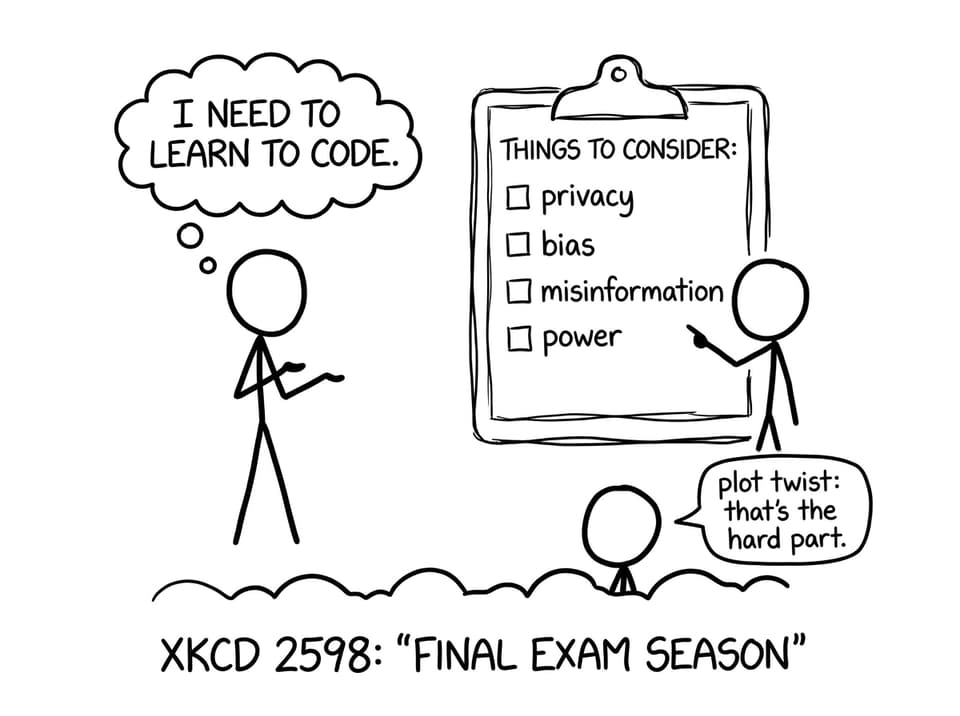
Business careers increasingly reward people who can understand digital ecosystems: network effects, data-driven decisions, recommender systems, and the ethics of persuasion.
IB Digital Society gives you vocabulary for what many people only feel vaguely: why attention is monetized, how consumer behavior is nudged, and where regulation might change markets overnight.
For exam success (and business relevance), practice writing answers that don’t just describe “what happened,” but explain incentives: who gains, who loses, and what happens next. RevisionDojo helps you train this skill by pairing Study Notes with targeted Questionbank drills inside the Digital Society content topic pages.
Media and journalism: careers that depend on digital literacy
Modern journalism is part reporting and part systems analysis. Who amplified the story? Why did it trend? What is the platform’s incentive? What evidence can be verified?
That’s exactly the kind of critical literacy IB Digital Society rewards. You learn to test claims, recognize manipulation, and discuss ethics in communication without sounding simplistic.
A practical revision habit here: maintain a “misinformation toolkit” of a few versatile examples, summarized in your own words. If you need help organizing those examples, Effective Note-Taking Tips for IB Digital Society and Using Case Studies for Better Learning in Digital Society are worth bookmarking.
Technology and innovation (without being a programmer)
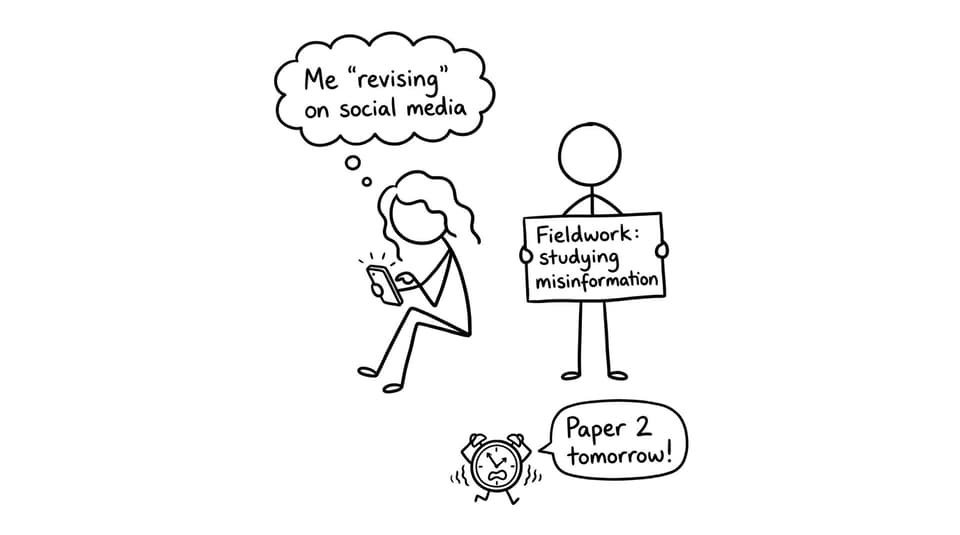
A common misunderstanding is that tech careers are only for coders. In reality, many roles need people who can translate between humans and systems: product managers, UX researchers, trust-and-safety analysts, policy leads, and ethics teams.
IB Digital Society is directly relevant because it’s about impacts and implications: bias, access, accountability, and the social consequences of automation. Those are boardroom questions now, not philosophical extras.
If you want to explore the course more deeply, RevisionDojo’s Digital Society resources include lessons, videos, and Flashcards that build fast recall of key definitions and debates.
Education and public policy: bridging the digital divide
Some careers focus less on building new tools and more on making sure existing tools don’t widen inequality.
Educators, NGO workers, and policy designers deal with digital access, digital literacy, and protection of vulnerable communities. IB Digital Society prepares you to talk about the digital divide with nuance: not just “some people lack devices,” but how infrastructure, language, cost, and governance create compounding disadvantage.
If your Internal Assessment leans toward social impact, you’ll likely benefit from RevisionDojo’s guidance on inquiry design, especially How to Write a Strong IB Digital Society IA Research Question and the Digital Society coursework guide.
Conclusion: IB Digital Society is a career skill in disguise
The best thing about IB Digital Society is that it doesn’t train you for one job title. It trains you for a world where every job is touched by digital systems.
If you want that advantage in exams, build a simple loop: learn with RevisionDojo Study Notes, lock in definitions with Flashcards, apply ideas through the Questionbank, and pressure-test your timing with Mock Exams and Predicted Papers. When coursework matters, use the Coursework Library, AI Chat, and Grading tools to stop guessing and start improving.
Explore the full IB Digital Society resources on RevisionDojo and turn IB Digital Society into both a higher grade and a clearer future path.
