
Cardiovascular Responses to Exercise Explained
Cardiovascular responses to exercise are the immediate changes that occur in the heart and blood vessels when physical activity begins. In IB Sports, Exercise and Health Science (SEHS), these responses explain how the body increases oxygen delivery and waste removal to support working muscles.
As exercise intensity rises, the cardiovascular system must adapt rapidly to meet the increased metabolic demands of the body. These acute responses are essential for sustaining performance and delaying fatigue.
Increase in Heart Rate
One of the first cardiovascular responses to exercise is an increase in heart rate. Heart rate rises almost immediately when exercise begins due to increased nervous system stimulation.
Key points include:
- Heart rate increases with exercise intensity
- It allows more blood to be pumped per minute
- It responds quickly to changes in workload
In IB SEHS, students should understand that heart rate increases to support greater oxygen and nutrient delivery to muscles.
Stroke Volume Changes During Exercise
Stroke volume refers to the amount of blood pumped by the heart with each beat. During exercise, stroke volume increases, particularly from rest to moderate intensity.
This increase occurs due to:
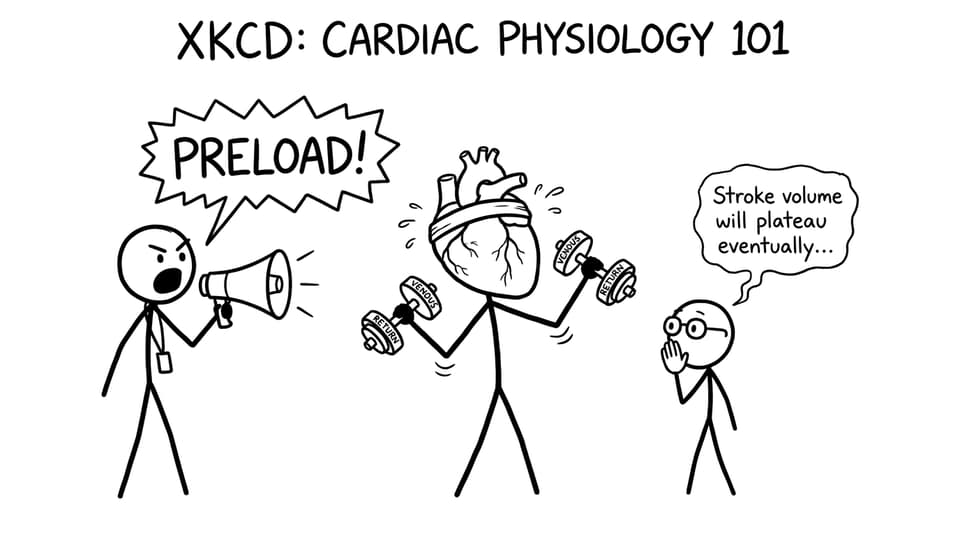
- Greater venous return to the heart
- Stronger cardiac contractions
- Improved filling of the ventricles
At higher intensities, stroke volume may plateau, meaning further increases in cardiac output rely mainly on heart rate.
Cardiac Output and Exercise Intensity
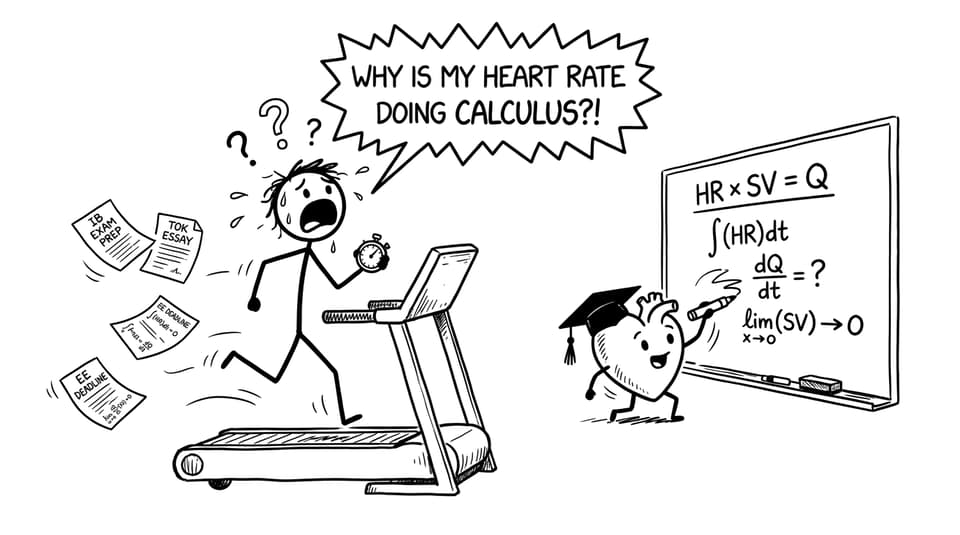
Cardiac output is the total volume of blood pumped by the heart per minute and is calculated by multiplying heart rate by stroke volume.
During exercise:
- Cardiac output increases significantly
- More blood is delivered to working muscles
- Oxygen delivery matches energy demand
In IB exams, students should clearly explain how changes in heart rate and stroke volume combine to increase cardiac output.
Blood Flow Redistribution
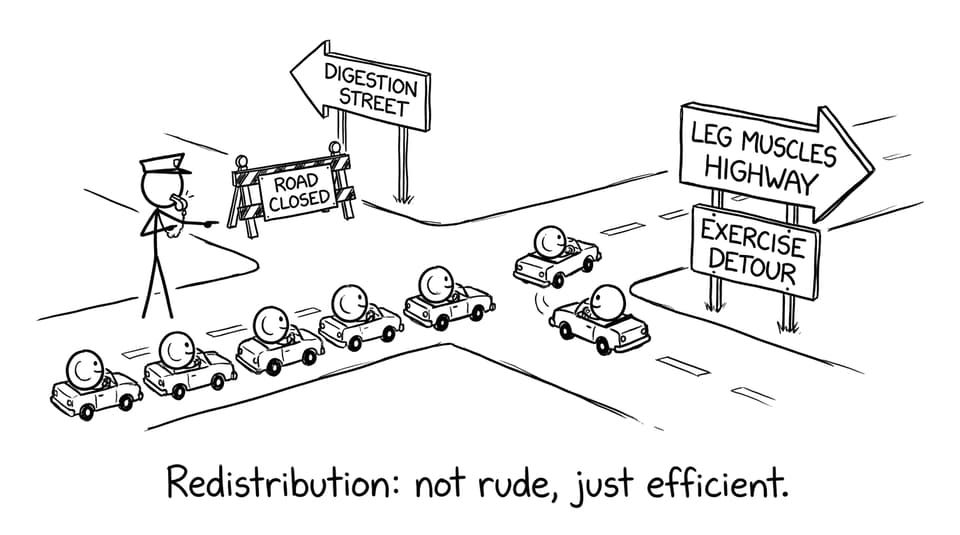
Another important cardiovascular response is the redistribution of blood flow. During exercise, more blood is directed toward active muscles and away from less essential organs.
This allows:
- Improved oxygen supply to muscles
- More efficient waste removal
- Enhanced performance during sustained activity
Understanding blood flow redistribution helps explain endurance performance and fatigue.
Exam Relevance for IB SEHS
Cardiovascular response questions often require structured explanations and correct terminology. High-mark answers clearly define heart rate, stroke volume, and cardiac output and link them to exercise intensity and performance.
RevisionDojo Call to Action
If cardiovascular response questions feel repetitive or confusing, RevisionDojo helps IB SEHS students master applied physiology with clear explanations and exam-style practice. It is the most effective way to improve understanding and exam performance.
Frequently Asked Questions (FAQs)
Why does heart rate increase during exercise?
Heart rate increases to pump more blood per minute, allowing greater oxygen and nutrient delivery to working muscles.
What happens to stroke volume during exercise?
Stroke volume increases from rest to moderate exercise due to stronger heart contractions and increased venous return.
How is cardiac output tested in IB SEHS exams?
Students are often asked to explain how heart rate and stroke volume change with exercise intensity and how these changes support performance.