


A week into IB, someone will say it: “Group 6 is for confident, outgoing people.”
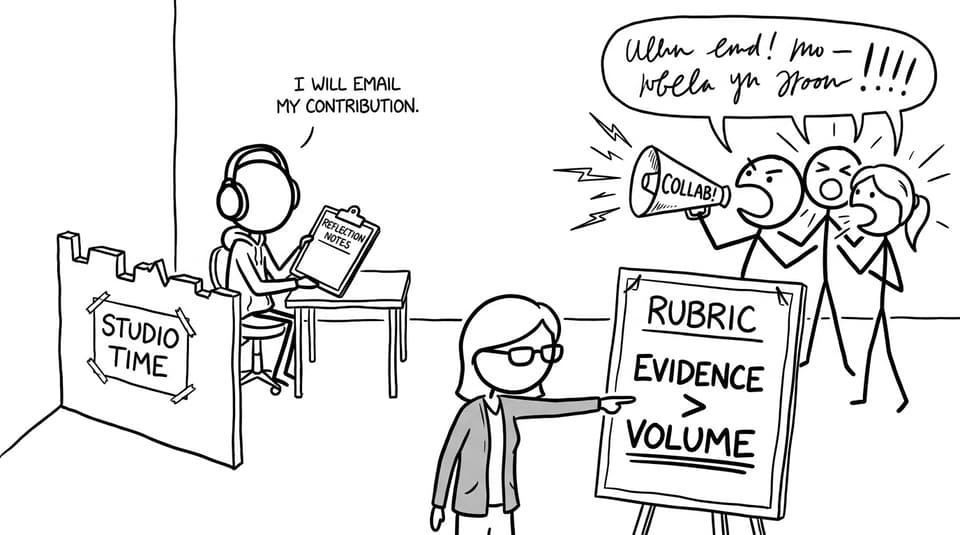
If you’re introverted, that sentence can land like a verdict. You picture bright stage lights, loud rehearsals, and constant group decisions made in real time. But IB Group 6 Arts is not a personality contest. It’s an evidence contest. The students who do best are often the ones who can work quietly for long stretches, refine an idea, and explain their thinking with precision.
This is a thoughtful look at whether IB Group 6 Arts is suitable for introverted students and how RevisionDojo can make the process calmer, clearer, and more exam-ready.
Quick checklist: is IB Group 6 Arts a good fit for you?
Before you commit, use this simple filter. IB Group 6 Arts tends to work well for introverts when you can say “yes” to most of these:
-
You like independent practice (studio time, composition time, editing time).
-
You prefer planning over improvising.
-
You can reflect in writing without needing to “perform” confidence.
-
You’re willing to collaborate, but you want a defined role.
-
You can document your process consistently.
If you also want a clearer overview of what Group 6 includes, read: What Is a Group 6 Class in IB?
Why IB Group 6 Arts quietly rewards introverted strengths
A lot of IB students associate arts with visibility. But assessment is often built around things introverts are good at: sustained focus, iterative improvement, and reflection.
Across IB Group 6 Arts, you are repeatedly assessed on your process: how ideas evolve, why decisions were made, and what you learned. That’s not “being loud.” That’s being clear.
If you want a high-level scoring mindset, this helps: Scoring in IB Group 6 Subjects: Strategies and Insights
Visual Arts: the most naturally introvert-friendly path
Many introverted students thrive in Visual Arts because so much of the course rewards independent, self-directed work. You build your practice over time, and your documentation turns quiet experimentation into visible achievement.
If you’re choosing this route, these resources are especially useful:
And when research feels overwhelming, use a curated starting point: Best Artists to Research for IB Visual Arts
Music, Theatre, Film, Dance: choose your visibility level
Some IB Group 6 Arts subjects include performance and ensemble work, but they also include roles where introverts can excel without constant spotlight time.
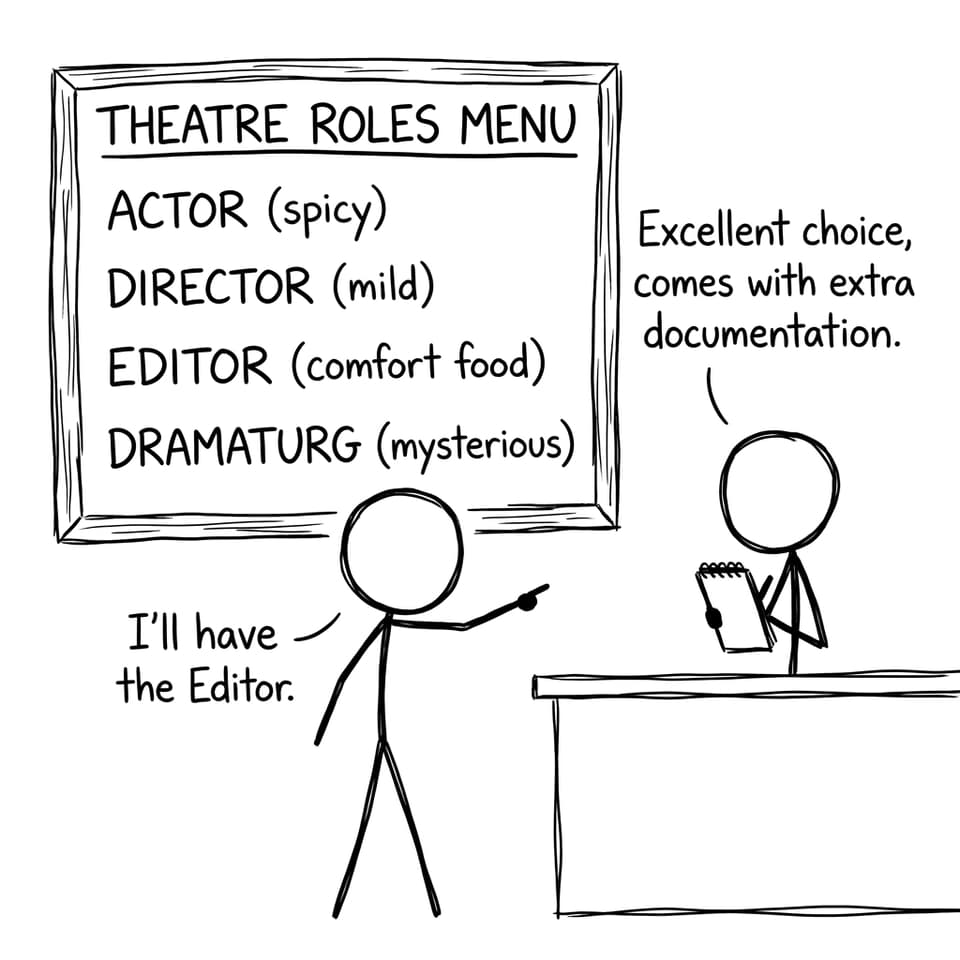
In Theatre and Film, for example, strong contributions can come from directing, dramaturgy, design thinking, editing, writing, or planning. The key is that your contribution is intentional and traceable.
If Theatre is on your list, start here:
If Music is your focus, build confidence through structured listening and analysis:
The introvert’s advantage: reflection is not optional in IB Group 6 Arts
Here’s the hidden truth: you can have modest technical skill and still do very well in IB Group 6 Arts if your process is strong, your intention is clear, and your reflection is specific.
Introverts often do better at:
-
Noticing small changes over time (which becomes high-quality commentary)
-
Sticking with one idea long enough to develop depth
-
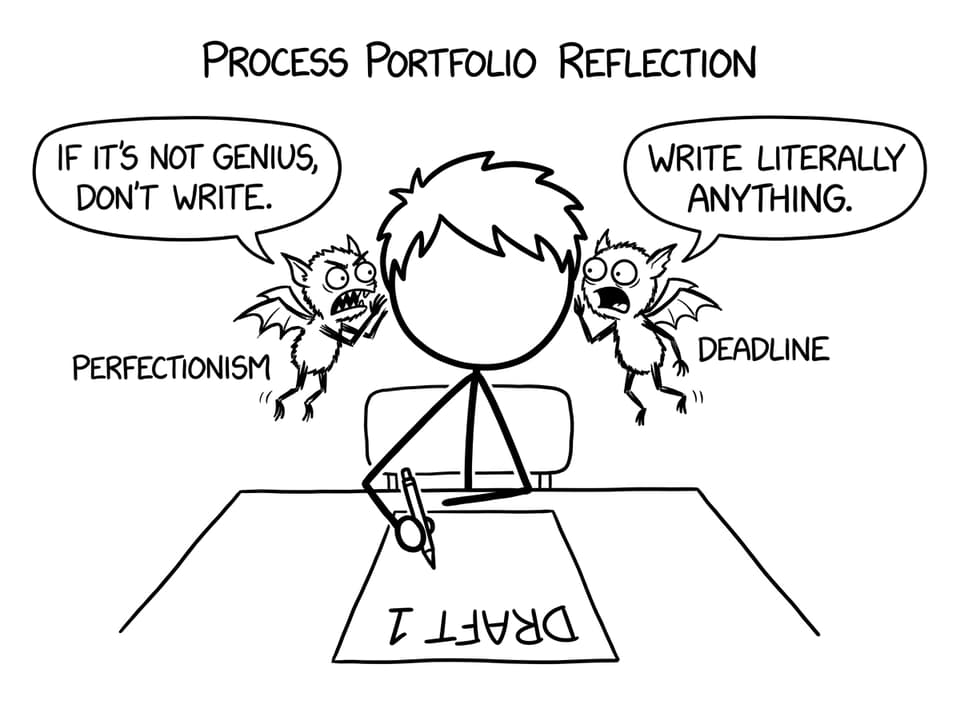
Writing thoughtful evaluations rather than rushing to defend a first draft
That reflective strength becomes a grade when you link it to criteria language. And that is exactly where RevisionDojo helps.
How RevisionDojo supports IB Group 6 Arts (especially for introverts)
Introversion isn’t the problem; uncertainty is. RevisionDojo reduces the “what am I supposed to do next?” feeling by turning your work into a repeatable system.
Here’s a calm workflow you can actually maintain:
-
Use Study Notes to clarify concepts fast, without spiraling into endless research.
-
Use Flashcards to keep key terms and criteria language active.
-
Use the Questionbank for exam-style practice and targeted weak-area drilling.
-
Use AI Chat when you’re stuck and don’t want to wait for the next lesson.
-
Use Grading tools to check whether your writing actually hits the rubric.
-
Use Predicted Papers and Mock Exams to rehearse timing and pressure.
-
Use the Coursework Library when you need to see what good evidence looks like.
-
Use Tutors when you want a human to diagnose your blind spots quickly.
Start here: Questionbank
And if you’re planning your routine, this is a good anchor: How Many Hours a Week Should You Study for IB Group 6?
Closing: choose the right kind of spotlight
If you’re introverted, IB Group 6 Arts can be more than “suitable.” It can be a place where your strengths finally count: quiet iteration, deep thinking, and honest reflection.
The smartest move isn’t to avoid Group 6 because it feels social. It’s to choose the subject and role where you can produce the strongest evidence, then use tools that make the process manageable. Build your system with RevisionDojo: Questionbank, Study Notes, Flashcards, AI Chat, Grading tools, Predicted Papers, Mock Exams, Coursework Library, and Tutors, and let your work speak at full volume, even if you don’t.
To explore more IB Group 6 Arts support, start here: All IB Group 6 Arts Posts