
The Paper 2 trap most IB Math students fall into
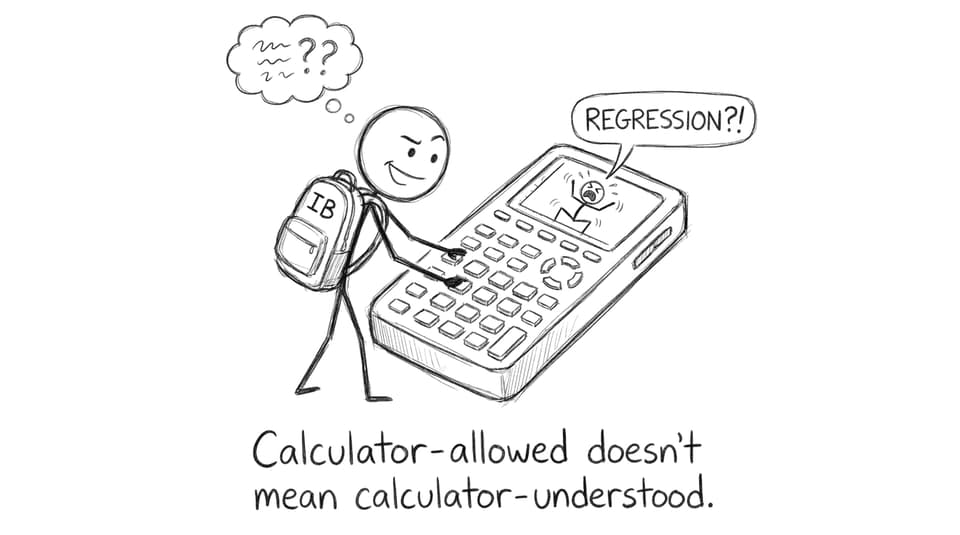
There’s a moment in every IB Math Paper 2 revision season that feels strangely comforting: you switch on your calculator, you see a clean regression line appear, and you think, I’ve got this.
Then the question asks for interpretation, assumptions, and a clear method, and suddenly your calculator is doing math, but you’re not doing thinking.
IB Math Applications and Interpretation Paper 2 rewards students who can combine calculator fluency with calm, exam-style communication. It’s not “harder” than Paper 1. It’s just less forgiving when your process is messy.
IB Math AI Paper 2: What it tests (in plain English)
Paper 2 is calculator-allowed and usually more real-world, data-heavy, and multi-step. In IB Math, that means you’re judged on whether you can:
-
Translate a scenario into a model
-
Use your GDC efficiently (not desperately)
-
Interpret graphs, tables, and parameters
-
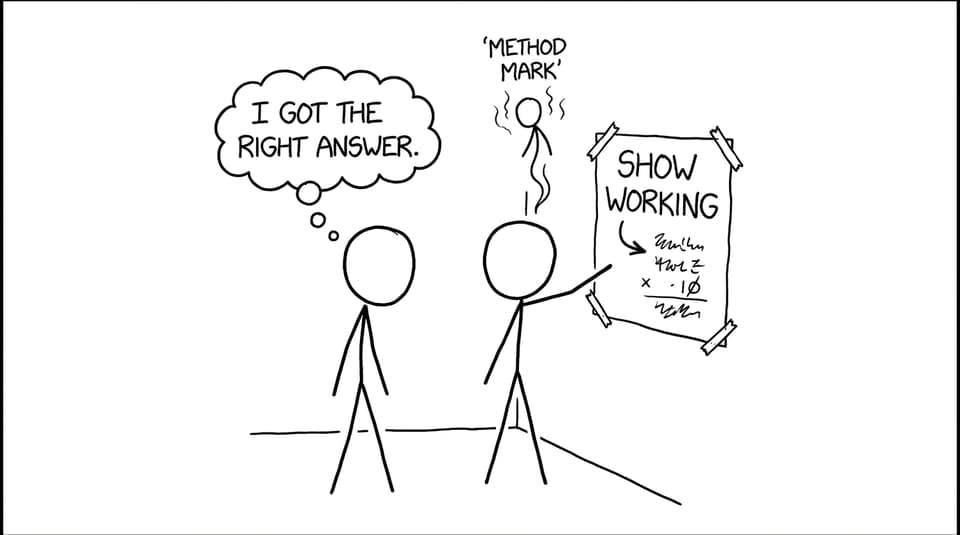
Show working for method marks, even when the calculator gives the final value
If you want a broader overview of the course and exam demands, pair this with Understanding IB Math Applications and Interpretation (AI).
Quick checklist: High-frequency Paper 2 topics to prioritise
When IB Math Paper 2 feels overwhelming, it helps to narrow your focus. These areas show up constantly:
-
Regression and correlation
-
Chi-square and hypothesis testing
-
Graph and table interpretation
-
Sequences and financial calculations
-
Normal distribution and statistical analysis
-
Exponential and logarithmic models
A simple way to drill these is to rotate topic blocks using RevisionDojo’s Questionbank inside the IB Math AI hub, then reinforce weak spots with RevisionDojo Notes for IB Math AI concepts.
Proven IB Math Paper 2 study strategies (that don’t waste time)
Build calculator speed without sacrificing reasoning
Your GDC is essential in IB Math AI, but speed only matters if you still explain what the numbers mean. Practice common routines until they’re automatic:
-
Regression setup + reading parameters
-
Statistical tests (especially chi-square)
-
Distribution functions (normal, etc.)
Then force yourself to write one sentence of interpretation after every calculator result. That single habit is where marks quietly accumulate.
For targeted drilling, use topic-specific practice like Functions questionbank practice and Number and Algebra questionbank practice.
Time pressure is a skill, not a personality trait
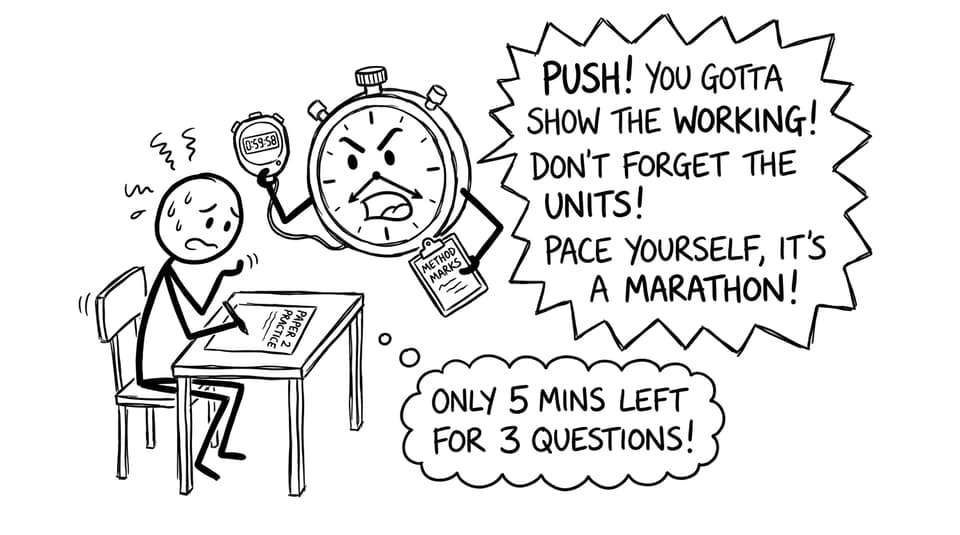
Most students don’t “panic in exams”; they just haven’t trained pacing. Once a week, run a timed Paper 2 block and review like an examiner:
-
Where did you lose method marks?
-
Where did you over-calculate?
-
Which steps were unclear?
RevisionDojo helps here with Mock Exams, Grading tools, and AI Chat that can explain errors in the same language markschemes reward.
Treat “show working” as a scoring strategy
In IB Math, correct answers are great, but method marks are insurance. Write the setup, define variables, state the model, and label calculator outputs. You’re not writing for your teacher; you’re writing for a tired examiner who needs to award marks quickly.
How RevisionDojo makes Paper 2 prep simpler
RevisionDojo is built to turn IB Math Paper 2 revision into a system:
-
Questionbank for exam-style practice with instant feedback
-
Study Notes and Flashcards to lock in definitions, conditions, and interpretation phrases
-
AI Chat for step-by-step explanations when you’re stuck mid-problem
-
Mock Exams and Predicted Papers for full-paper rehearsal and stamina
-
Grading tools that highlight where marks were actually lost
-
Tutors when you need human feedback on communication and structure
To simulate the real experience, use Math AI predicted exam-style papers or explore the broader IB Predicted Papers library.
Final push: make IB Math Paper 2 predictable
The goal isn’t to “hope” Paper 2 goes well. The goal is to make IB Math Paper 2 feel familiar: same calculator moves, same topic patterns, same method-mark structure.
Open the IB Math AI hub, pick one weak topic, and run a short loop: Notes, Questionbank, AI Chat, timed practice. Do that consistently, and Paper 2 stops being a surprise and starts being a routine.