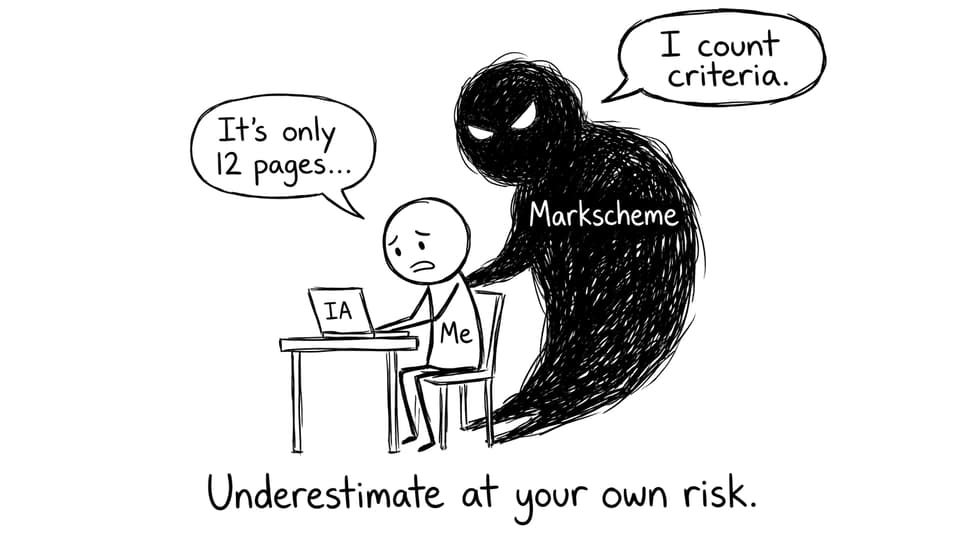
The IA looks small. That’s why it’s dangerous.
The IA is the assignment most IB students treat like a side quest. It doesn’t arrive with the same drama as exams. It doesn’t feel like a giant research mountain. It often fits inside a tidy word count and a few neat headings.
And that’s the problem.
Because when students underestimate the IA, they don’t fail loudly. They fail quietly: a rushed method section here, a vague evaluation there, a “good enough” draft that never gets pulled up to what the rubric actually rewards. By the time the panic arrives, the deadline is close and the easy marks are already gone.
Quick checklist: are you underestimating your IA?
-
You’re planning the IA “after this week’s tests.”
-
You’re writing more background than analysis.
-
You haven’t read the assessment criteria end-to-end.
-
You can’t explain, in one sentence, what earns top marks.
-
You’re relying on motivation instead of a timeline.
If two or more are true, treat your IA like a grade-making project, not a task to “finish.”
Why the IA gets underestimated (and why that costs marks)
The word count creates false confidence
A shorter IA doesn’t mean less work. It means less room to hide. In a tight report, every paragraph has to earn marks. Examiners aren’t counting pages; they’re scanning for evidence that matches criteria language.
If you’re unsure what “evidence” looks like in your subject, start with RevisionDojo’s IB IA Guides and then skim high-quality models in the Coursework Exemplars Library. Seeing real submissions changes how you write.
It feels familiar, so students use the wrong habits
Many students approach the IA like a normal lab report or class essay. That familiarity is comforting, but misleading. The IB rubric is stricter and more criteria-driven than most school marking.
A simple fix: get criterion-based feedback early. The IB Coursework Grader helps you spot which sections are “nice writing” versus mark-winning writing. Pair it with RevisionDojo’s AI Chat to ask targeted questions like: “Which criterion is this paragraph serving?” and “What specific evaluation would raise this band?”
Flexible deadlines invite procrastination
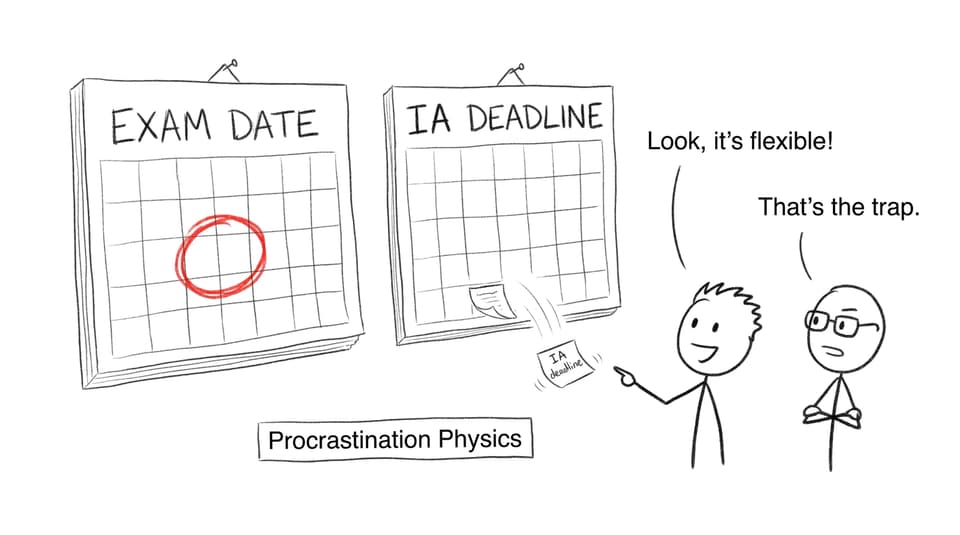
The IA often stretches across months, and that makes it feel non-urgent. Exams have a date carved in stone. The IA has “we’ll submit it soon-ish.” The result is predictable: students delay planning, then sprint at the end, and the final draft is polished but thin.
If you want a calmer timeline, use the strategies in How to Manage IA Stress Without Falling Behind.
Independent thinking is the real workload
The hardest part of an IA is not typing. It’s choosing what matters: a focused research question, the right evidence, and a method that actually answers the question.
For research question clarity, keep this open while you plan: How to Write a Strong IA Research Question and the follow-up on scope control, Too Broad or Too Narrow?.
Students overinvest in description and underinvest in analysis
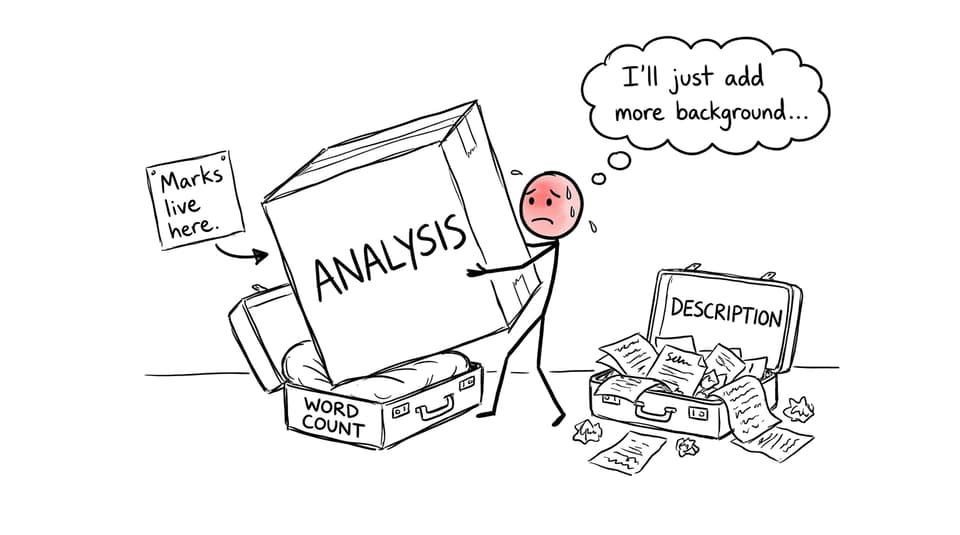
A classic IA failure mode is “more content” instead of “better thinking.” Students add background, extra screenshots, longer explanations. Meanwhile, analysis and evaluation stay generic.
If you’re not sure what to cut, RevisionDojo’s How Many Tables Should an IA Include? is a surprisingly practical guide to keeping evidence tight and purposeful.
A simple way to take your IA seriously (without losing exam prep)
Treat the IA like a feedback loop:
-
Use Coursework Library exemplars to copy structure, not topics.
-
Use Grading tools to map your draft to criteria.
-
Use AI Chat to fix one weakness at a time.
-
Keep exams alive with RevisionDojo’s Study Notes, Flashcards, Questionbank, Mock Exams, and Predicted Papers so coursework doesn’t quietly erase your content recall.
If you’re curious how marking and moderation can affect outcomes, read How IA Moderation Works (and How to Protect Your Grade).
Conclusion: the IA isn’t “small,” it’s compressed
The IA feels manageable because it’s shorter and more flexible. But that’s exactly why students underestimate it: the work is concentrated into decisions, precision, and criteria-level thinking. Take the IA seriously early, and you trade panic for control.
If you want that control, use RevisionDojo as your coursework command center: start with the Coursework Guides, use the Coursework Library for exemplars, run drafts through the Grading tools, and keep exams moving with Study Notes, Flashcards, Questionbank, Mock Exams, and Predicted Papers. Your future self will feel the difference when the final grades land.

