

When people talk about the IB, they often talk about difficulty first.
But most students don’t choose the IB because they enjoy suffering.
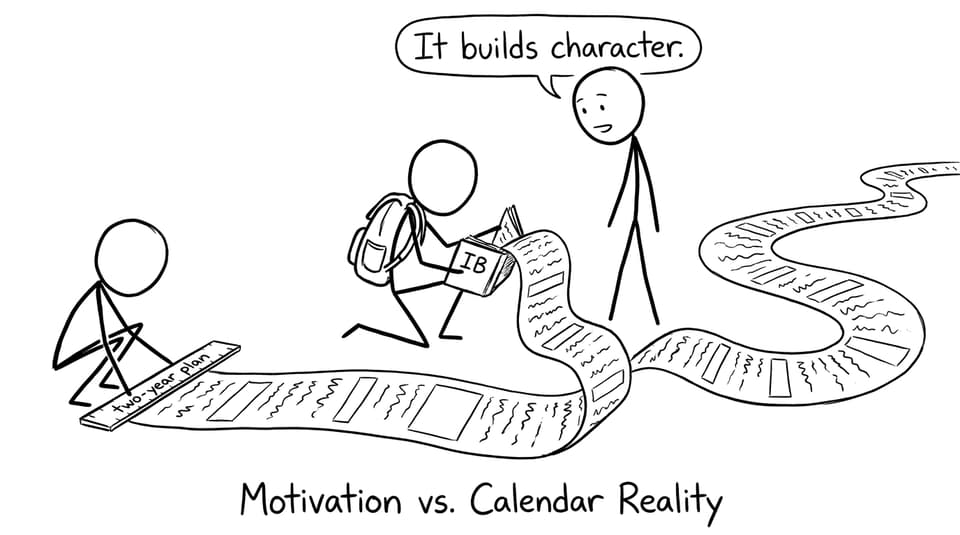
They choose it because, at some point, they realize something quiet and practical: the world rewards people who can think clearly under pressure, communicate precisely, and keep going when the calendar gets loud.
If you’re an IB student preparing for exams, that’s likely why you’re here. You want to know what you signed up for, why it matters, and how to turn that decision into scores you’re proud of.
The short checklist: what the IB is really offering
Before we get into the 15 reasons, here’s the simplest way to understand the IB value proposition:
-
Academic rigor that forces depth, not just coverage
-
Skills training (writing, research, evaluation, reflection)
-
Global portability across countries and education systems
-
A structure that rewards consistency over last-minute cramming
And because you’re preparing for exams, one more truth matters: the IB becomes dramatically more manageable when your resources are connected.
On RevisionDojo, students use Study Notes to understand content, Flashcards to retain it, and the Questionbank to turn understanding into marks. If you want to see what that loop looks like, start with the RevisionDojo Questionbank and the guide to a comprehensive IB question bank.
15 compelling reasons people choose the IB program
A reputation for academic rigor (and the confidence it builds)
The IB has a global reputation for being demanding. That’s the obvious part.
The less obvious part is what that demand does to your self-belief. After a year of deadlines, feedback, and revision cycles, many students stop being scared of hard tasks. They start expecting to improve through repetition.
That mindset is one of the rarest exam skills.
University readiness that feels like training, not theory
In many systems, students arrive at university and discover they were never taught how to write, research, or manage independent deadlines.
The IB makes those expectations normal. That’s why the DP can feel like an early rehearsal for higher education.
Critical thinking over memorization
The IB is designed to reward analysis and application.
That doesn’t mean memorization disappears. It means memorization becomes the starting line, not the finish.
For exam prep, this is why active practice matters. A good IB plan includes timed questions and clear marking logic, not just rereading notes.
Research skills that compound over time
Between Internal Assessments and long-form writing, IB students learn how to:
-
narrow a question
-
select evidence
-
defend a method
-
admit limitations without collapsing the argument
If you’re doing coursework alongside revision, RevisionDojo’s IB IA Guides help you keep structure and criteria straight while you protect your exam time.
TOK: learning to question your own certainty
Theory of Knowledge can feel like fog until you realize the point: IB students learn how knowledge is built, not just what knowledge is.
That habit improves essays, evaluations, and even science write-ups because you become better at spotting assumptions.
A practical bridge is using TOK thinking inside other components. Here’s a focused guide on how to integrate TOK thinking into your IA.
EE: proof you can work independently
The Extended Essay is not just a document. It’s a signal.
It tells universities (and you) that you can manage ambiguity, build a long project, and revise when the first version isn’t good enough.
If you’re balancing EE and revision, you’ll also want to avoid risky overlaps. This article on EE and IA using the same material can save you a lot of stress.
A broad education that keeps doors open
The IB forces breadth: languages, individuals and societies, sciences, math, the arts.
That’s frustrating when you want to specialize. It’s also protective when you’re 16 and not sure what you’ll become at 26.
Strong writing and communication skills
Across the IB, you practice:
-
structuring arguments
-
using evidence
-
choosing precise vocabulary
-
writing to a command term
Those are exam skills, but they also become interview skills and university seminar skills.
Cultural awareness and global perspective
The IB grew out of international education, and it still carries that DNA: multiple perspectives, global case studies, and an emphasis on intercultural understanding.
It’s not about being “worldly” in a vague way. It’s about being able to read, argue, and listen without assuming your context is everyone’s default.
Recognition across countries and systems
One reason families choose the IB is portability.
If you move countries, the curriculum doesn’t reset from scratch. Schools and universities know what the program is aiming for.
A competitive edge (when you can explain it well)
The IB can help you stand out, but only if you can articulate what you gained.
Admissions teams respond to specifics: how you handled workload, what your EE taught you, what your reflections changed.
Time management skills you can’t fake
The IB punishes procrastination gently at first, then loudly.
Students who survive tend to leave with calendar literacy: planning backwards, building buffers, and learning that “I’ll do it later” is a lie you tell yourself.
If you need a clean system, these guides help:
Better learning through active recall
The IB is too big for passive review.
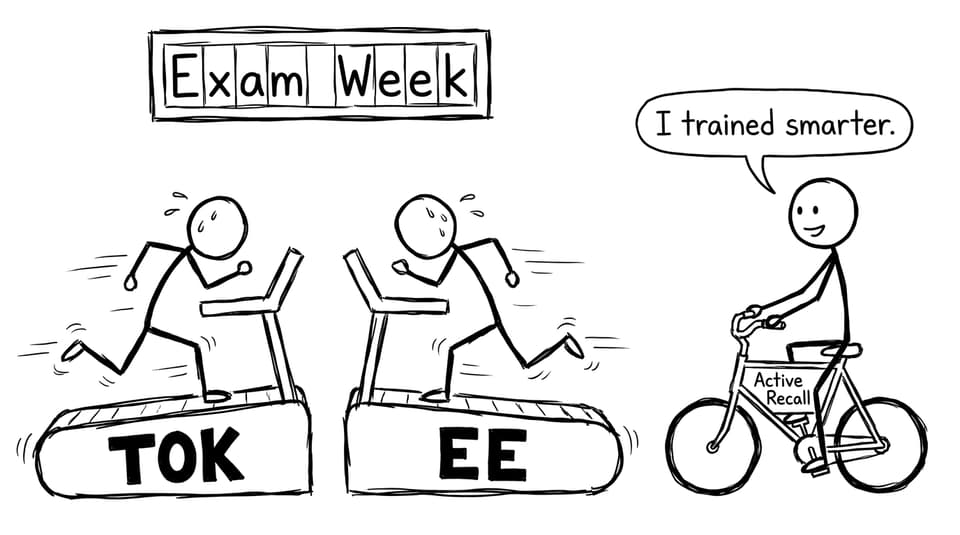
Students who do well usually switch to active recall: flashcards, practice questions, and error logs.
RevisionDojo’s IB Flashcards with spaced repetition and the Flashcards feature are built for exactly this, and the companion guide on the IB flashcard system shows how top scorers use it.
Real exam readiness through realistic practice
At some point, every IB student learns this: understanding a topic and scoring on a timed paper are different skills.
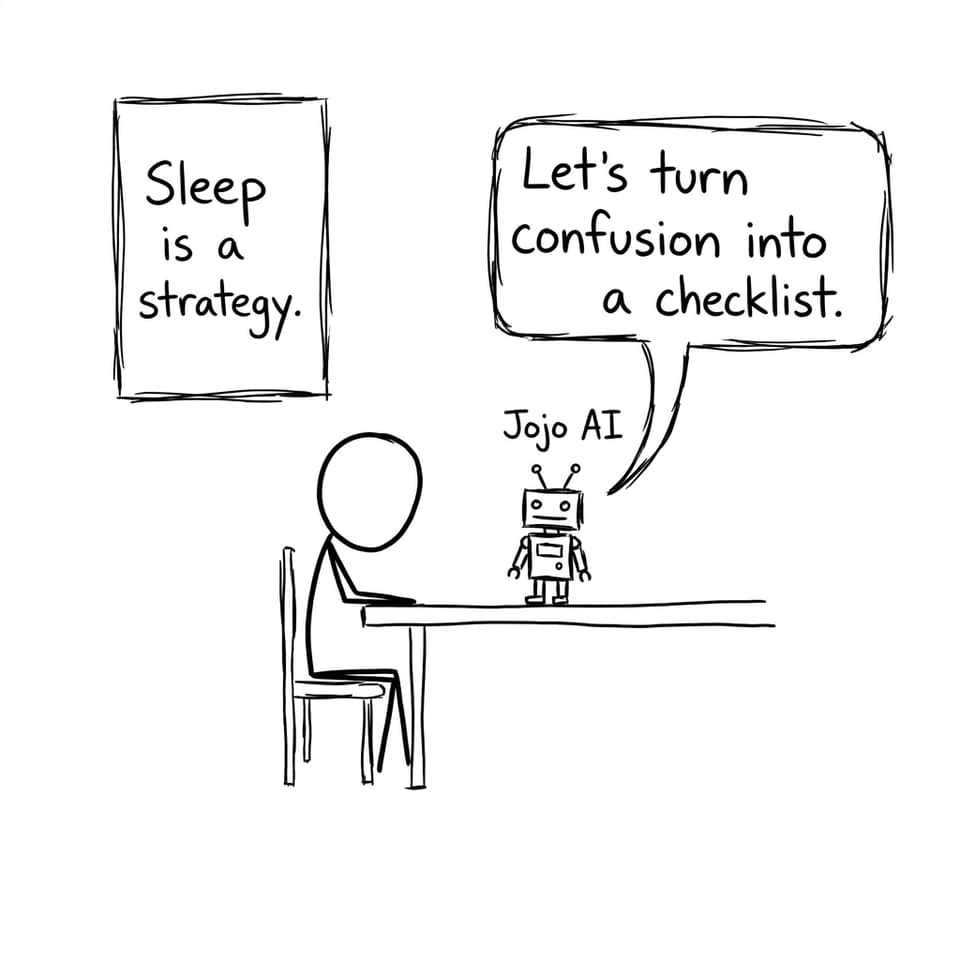
That’s why timed practice matters. RevisionDojo supports this with Predicted Papers, Mock Exams, Grading tools, and AI Chat that explains feedback in mark-scheme language.
If you’re planning your final weeks, read IB Predicted vs Specimen Papers: What They Mean and browse the IB Predicted Papers to build rehearsal into your schedule.
A community of ambitious peers (and the momentum it creates)
People underestimate environment.
In many schools, the IB creates a culture where studying is normal, asking for help is normal, and working hard isn’t treated like a personality flaw. That peer momentum matters most when you’re tired and tempted to coast.
How to use these reasons as an IB exam strategy
Reasons are nice. Marks are nicer.
Use the motivations above to build a simple weekly loop:
-
Study Notes for clarity on one topic at a time
-
Flashcards daily for retention
-
Questionbank sets for exam-style application
-
AI Chat when you’re stuck fast (so confusion doesn’t become avoidance)
-
Grading tools to learn how marks are awarded in written responses
-
Predicted Papers and Mock Exams to practice timing and stamina
This is the core RevisionDojo workflow: one platform, one system, fewer loose ends.
Closing: choosing the IB is choosing a certain kind of future you
Most people choose the IB for one headline reason: better preparation.
But the deeper reasons are quieter: you learn how to think, how to plan, how to write, how to improve, and how to keep going when your first attempt isn’t good enough.
If you’re an IB student preparing for exams, build your system now. Use RevisionDojo’s Questionbank, Study Notes, Flashcards, AI Chat, Grading tools, Predicted Papers, Mock Exams, Coursework Library, and Tutors to turn motivation into a repeatable routine. Because the real reward of the IB isn’t that it’s hard.
It’s that you become the kind of person who can do hard things on purpose.