




Nelson Mandela’s name is so familiar that it can feel like a slogan. But IB History doesn’t reward slogans. It rewards the quieter skill: taking a famous life and placing it inside a system, a timeline, and a set of choices where every option had a cost.
If you’re studying apartheid and human rights, Mandela is not just “a good leader.” He’s a case study in how protest movements adapt under pressure, how states try to control legitimacy, and how negotiated transitions are built when nobody fully gets what they want.
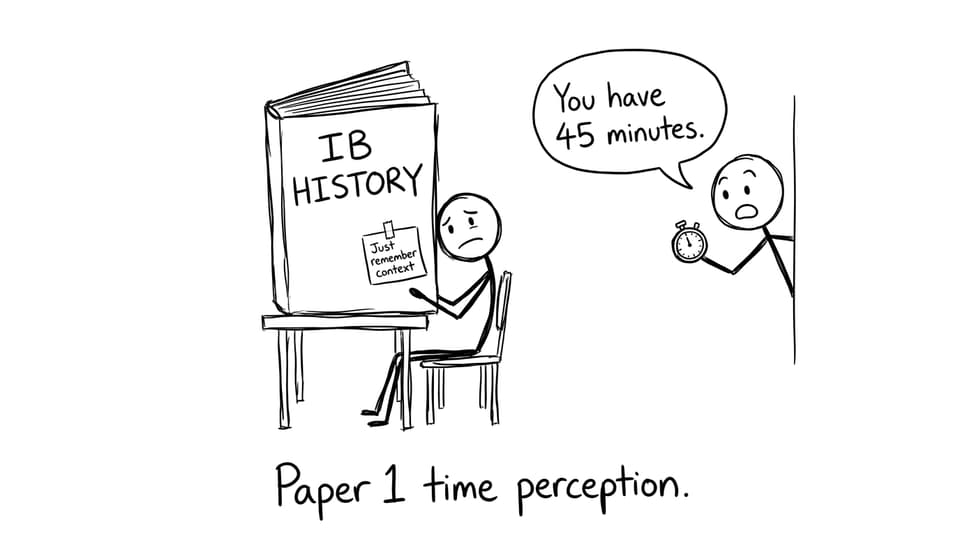
IB History snapshot: Mandela in 6 exam-ready points
-
Born 18 July 1918 in Mvezo, South Africa.
-
Joined the African National Congress (ANC) and helped found the ANC Youth League (1944).
-
Led mass resistance in the 1950s, then adapted strategy after state repression.
-
Co-founded Umkhonto we Sizwe (armed wing) in 1961 after the ANC was banned.
-
Sentenced to life imprisonment in 1964 at the Rivonia Trial; imprisoned for 27 years (notably on Robben Island).
-
Released 1990; negotiated transition with F.W. de Klerk; became first Black president 1994--1999; emphasized reconciliation including the Truth and Reconciliation Commission (TRC).
For quick syllabus-aligned navigation, keep the RevisionDojo hub for IB History Resources open while you revise.
Who was Nelson Mandela in IB History terms?
In IB History, Mandela matters because his life connects personal leadership to structural forces. He’s a lens for questions like: How does a rights movement respond when peaceful protest is punished? How do governments maintain control through law, policing, and propaganda? When does compromise become strategy rather than weakness?
Mandela’s early education (including time at the University of Fort Hare and the University of Witwatersrand) placed him close to the contradictions of South African society: modern institutions built on exclusion. By the 1940s, his activism inside the ANC reflected a generational push for more direct resistance.
If you want to practise writing that “IB History voice” (focused, evidence-led, evaluative), pair this topic with structured exam technique from How to Ace IB History Paper 1 and Paper 2.
Apartheid: the system Mandela fought (and why it matters for IB History)
Apartheid wasn’t only prejudice. It was policy: classification, separation, and enforcement. In IB History, you score higher when you describe apartheid as an institutional framework rather than a vague atmosphere.
Core features you should be able to explain quickly:
-
Racial classification and segregated amenities
-
Forced removals and urban control
-
Pass laws restricting movement and work
-
Suppression of opposition, banning orders, censorship, and political trials
RevisionDojo’s focused notes help you learn apartheid as a system of laws and incentives, not just a moral label. Start with Apartheid South Africa: Nature and characteristics notes and the Bantustan system notes to lock down the terminology examiners expect.
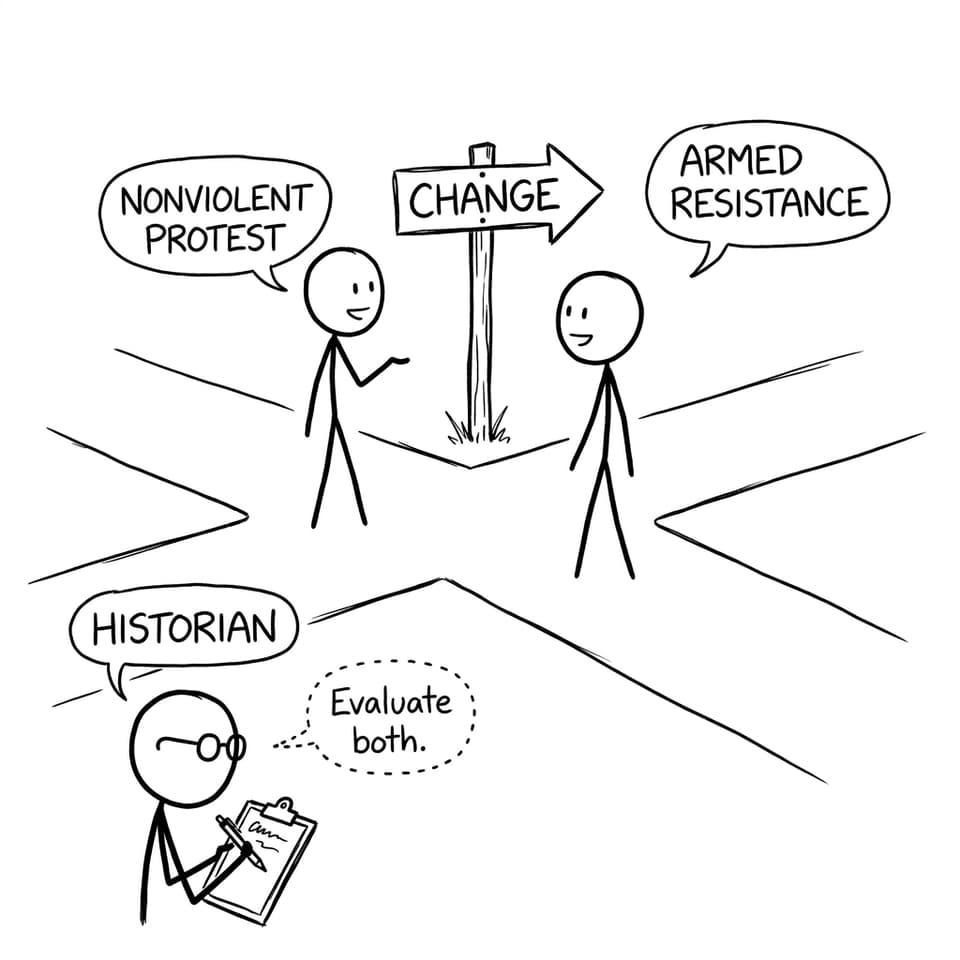
Mandela’s strategies: what to describe, and what to evaluate
Mass protest and legitimacy battles
Mandela’s early prominence grew through campaigns that aimed to expose apartheid’s injustice and win legitimacy for the resistance. The Defiance Campaign (1952) is a key example of coordinated civil disobedience.
Use Defiance Campaign and Freedom Charter notes to gather precise detail, then practise turning detail into evaluation: Did protest shift policy, or mainly shift international opinion and domestic mobilization?
The turn to armed resistance (and the exam-friendly nuance)
After state violence and intensified repression, the ANC was banned and Mandela helped form Umkhonto we Sizwe in 1961. In IB History, avoid simplistic judgments. Instead, show causation: state actions narrowed options; activists recalculated effectiveness; moral and strategic debates intensified.
To contextualize the escalation, revise the events around Sharpeville and the decision to adopt new tactics.
Prison, symbolism, and international pressure
Mandela’s 27-year imprisonment became a political symbol that could travel further than any speech. It helped build global solidarity and increased economic and diplomatic pressure on the apartheid government. For source work, this is where you can discuss purpose, audience, and message in anti-apartheid materials.
Mandela in power: why reconciliation is a historical argument, not a quote
Mandela’s release in 1990 led to negotiations with F.W. de Klerk, ending apartheid and creating multiracial elections in 1994. As president (1994--1999), he prioritized a peaceful transition, constitutional reform, and reconciliation, including the TRC.
In IB History, treat reconciliation as a policy choice with trade-offs: it reduced civil conflict risk and built legitimacy for the new state, but it also created tensions around justice, memory, and accountability.
When you’re ready to practise exam writing, RevisionDojo’s IB History Paper 2 Questionbank is built for targeted drilling with feedback. Then reinforce recall using RevisionDojo Flashcards so key dates and laws stay automatic under time pressure.
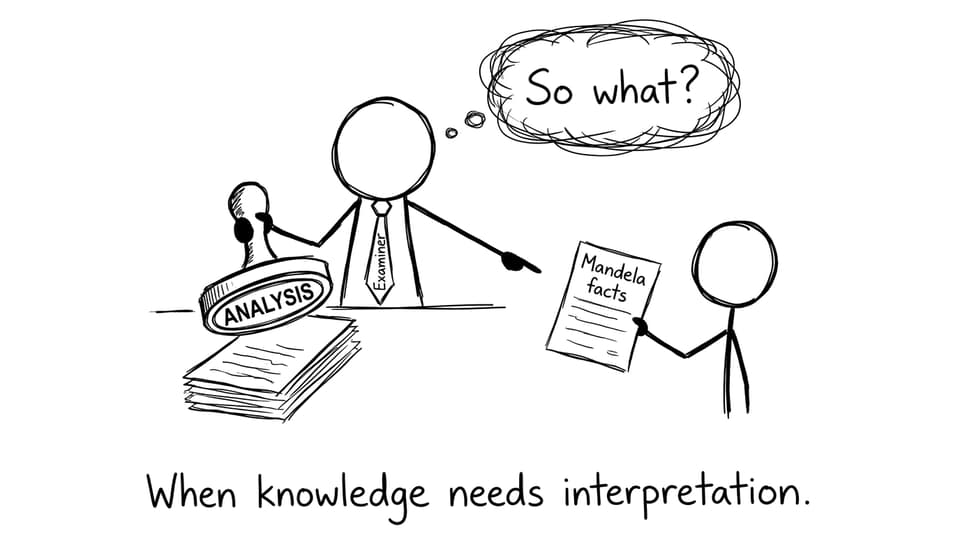
How to turn Mandela into marks (fast method)
Use this three-part loop in IB History:
-
Context (system): define apartheid mechanisms and state power.
-
Agency (choices): explain why Mandela/ANC tactics changed over time.
-
Evaluation (impact): measure outcomes: policy change, legitimacy, mobilization, international pressure, and long-term settlement.
For extra support, RevisionDojo’s AI Chat can quiz you on command terms, while Grading tools help you see the difference between narrative and analysis. When you want to simulate full exam pressure, use Predicted Papers from IB Predicted Papers and follow with Mock Exams to train pacing and decision-making.
If coursework is also on your mind, calm that background stress with IB History coursework exemplars so your IA/EE skills improve alongside exam prep.
Conclusion: study Mandela like a historian, not a fan
Mandela is unforgettable because his story feels personal. Your job in IB History is to make it analytical: apartheid as a system, Mandela as an actor inside it, and the transition as a negotiated outcome shaped by pressure from below and abroad.
If you want all of that in one place, build your revision around RevisionDojo: start at the IB History hub, drill exam skills in the Questionbank, lock in memory with Flashcards, use Study Notes to fill gaps fast, and lean on AI Chat and Grading tools to turn good effort into consistent marks.