
The first time someone tells you the IB is “a marathon,” it sounds motivational.
Then you open your calendar.
Suddenly the marathon has six lanes (one per subject), a research paper you’re supposed to enjoy writing, reflections that appear from nowhere, and exams that don’t care how tired you are. And yet, ask most graduates what the IB experience was like and you’ll hear a strange honesty: it was hard, sometimes overwhelming, and also the first time school felt like it changed who they were.
This is a student-style reflection for IB students preparing for exams: what tends to feel heavy, what surprisingly helps, and what you can do now to make the last stretch calmer and higher-scoring.
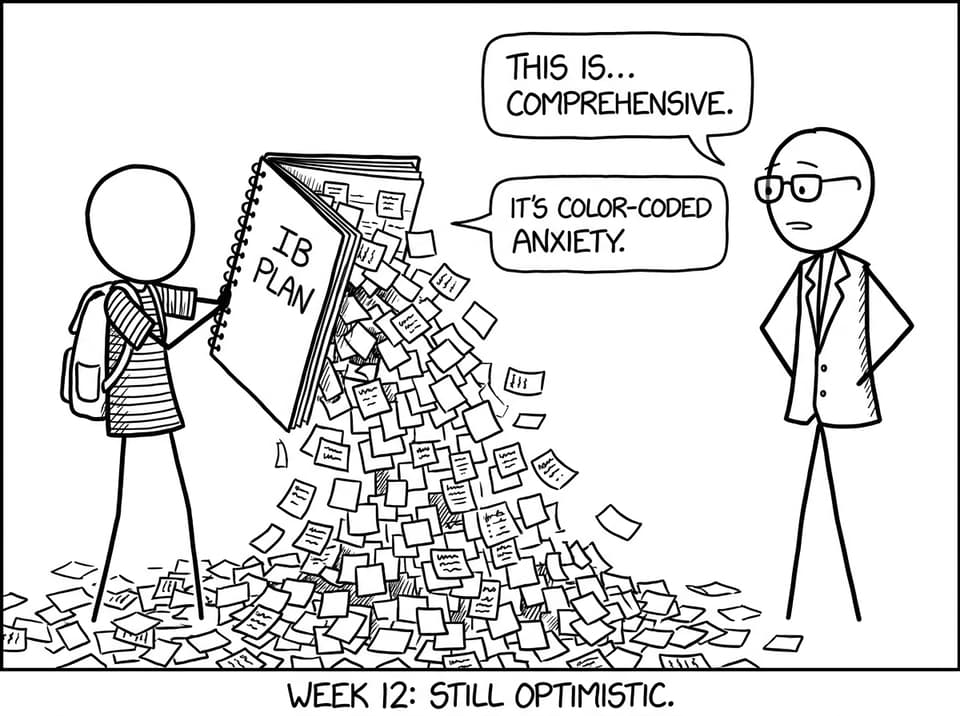
The IB experience in one quick checklist
If you want the “what it’s actually like” summary, most students describe the IB as:
-
Fast: deadlines arrive before you feel ready.
-
Layered: six subjects plus EE, TOK, and CAS don’t take turns.
-
Mark-scheme driven: effort matters, but wording and structure matter more.
-
Emotionally uneven: some weeks you feel unstoppable; some weeks you feel behind.
-
Transformative: you learn how you work under pressure.
When exam season comes, the goal isn’t to become a different person. It’s to build a system that makes the IB feel finite.
What students say the IB feels like day-to-day
Most of the IB experience isn’t dramatic. It’s quieter than that.
It’s doing a set of problems when you’d rather scroll. It’s rewriting one paragraph because the command term asked for “evaluate,” not “describe.” It’s realising your “quick draft” has become a second draft, and then learning that this is normal.
A common pattern: students start the IB thinking success comes from being naturally smart. They finish believing success comes from being consistently prepared.
That shift is powerful for exams because preparation is trainable.
What students appreciate about the IB (often only later)
The IB teaches you how to think in public
In many systems, you can hide behind correctness. In the IB, you often have to show your thinking: justification, method, interpretation, evaluation.
Students say this is frustrating at first, but it becomes an advantage in exams because you stop guessing what the examiner “wants” and start writing what the mark scheme can reward.
A practical way to speed up that learning curve is to practise with feedback loops: RevisionDojo’s Questionbank makes it easier to see how questions are built and how marks are actually earned.
The IB rewards connections, not memorisation alone
The best IB answers tend to connect ideas: case study to theory, data to conclusion, text to global issue, model to limitation.
That’s why strong revision is rarely “read notes for three hours.” It’s more like: learn the idea, test it, correct it, repeat.
If you’re rebuilding your foundation, RevisionDojo’s Study Notes help you move quickly from confusion to clarity, then straight into practice.
The IB makes discipline visible
Students often say the IB taught them something uncomfortable: motivation is unreliable.
The people who do well aren’t always the most inspired. They’re the ones who can sit down for 30 focused minutes even when the day feels messy.
If you struggle with retention across multiple subjects, spaced repetition helps. RevisionDojo’s IB Flashcards are built for daily recall without turning your life into an endless to-do list.
What makes the IB hard (and why it hits during exams)
The workload is real, but the overlap is the real problem
The IB workload is heavy. But what makes it feel impossible is when tasks stack: an IA milestone, a TOK deadline, a CAS reflection, and exam revision all in the same week.
This is why time management advice can feel boring but saves grades. If you need a reset, borrow the frameworks from Best Time Management Hacks for IB Students and keep it simple for two weeks.
Some schools guide you well, others leave gaps
Students describe wildly different IB experiences depending on how their school structures deadlines and feedback.
If you’re not getting clear guidance, you have to build your own scaffolding: clear weekly targets, targeted practice, and fast feedback.
RevisionDojo helps fill those gaps with features that mimic good coaching: AI Chat to get unstuck fast, Grading tools to learn what earns marks, and exam-style practice through Questionbank and Mock Exams.
The IB punishes vague revision
The exams don’t reward “I kind of remember this.” They reward precision.
That’s why many students only feel confident when they can do timed work. If you’re ready for full-paper rehearsal, use RevisionDojo’s IB Predicted Papers to practise structure, stamina, and pacing in realistic conditions (and then diagnose weaknesses right after).
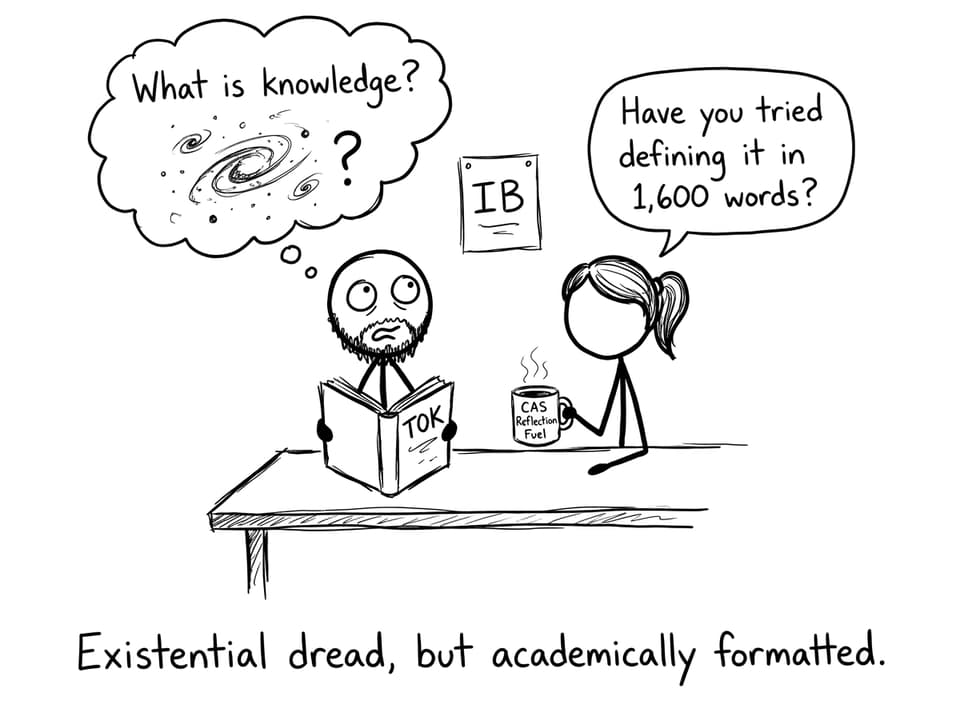
Honest student reflections you’ll recognise
You’ll hear different versions of the same truths:
-
“The IB was overwhelming until I stopped trying to do everything perfectly and started doing the next small step.”
-
“I thought studying meant more hours. In the IB, it meant better hours.”
-
“Timed practice scared me, but it also removed the fear.”
The theme is not heroics. It’s systems.
A calmer exam-prep loop (that fits real life)
Here’s a simple loop many IB students end up discovering late. You can start now:
-
Understand the topic quickly (Study Notes)
-
Recall it daily (Flashcards)
-
Apply it under pressure (Questionbank sets)
-
Simulate the real thing (Predicted Papers + Mock Exams)
-
Get feedback fast (Grading tools + AI Chat)
The point is to reduce the distance between “learning” and “earning marks.”
For pacing, steal ideas from Effective Time Management During IB Assessments so you don’t lose marks to avoidable time traps.
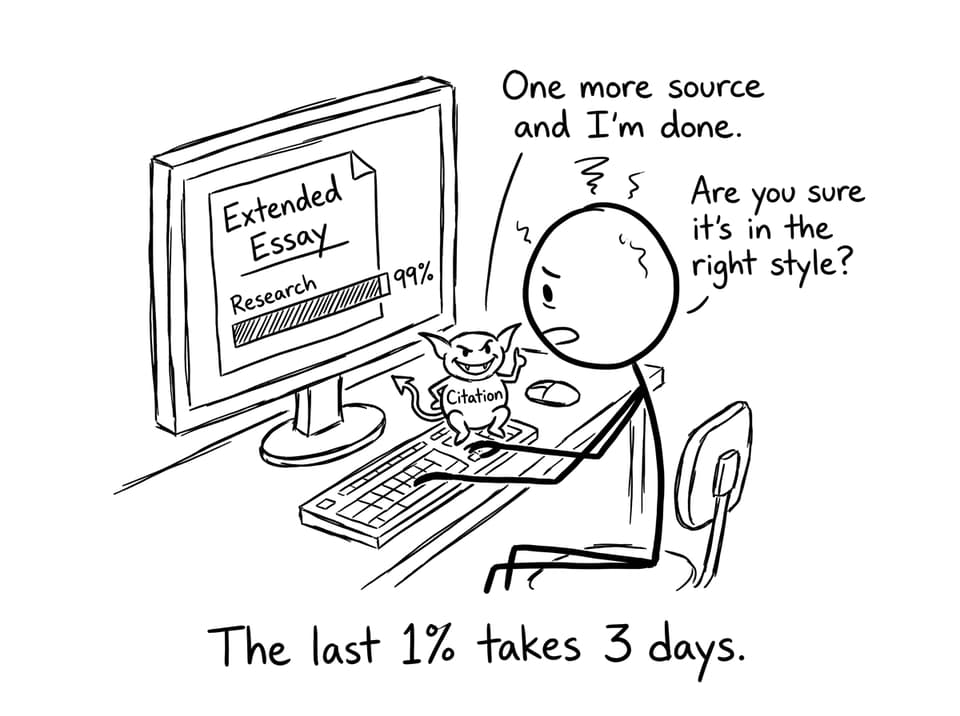
Closing: The IB is hard, but it doesn’t have to be chaotic
The most honest description of the IB experience is this: it asks a lot, and it reveals a lot. It shows you where your habits help you and where they cost you. And if you’re preparing for exams, that’s not bad news--it’s information.
If you want to make the rest of your IB journey calmer and more effective, build one reliable system and repeat it. RevisionDojo brings that system into one place: Questionbank practice, Study Notes, Flashcards, AI Chat, Grading tools, Predicted Papers, Mock Exams, a Coursework Library, and Tutors when you need a human guide.
Make the IB manageable by making your next step obvious. Then take it.
