


The moment universities notice the IB
The first time a university admissions reader sees IB on your transcript, they don’t imagine a single exam day. They imagine two years of juggling six subjects, deadlines that overlap like bad weather, and the strange ability to keep writing even when your brain wants to power down.
That’s the quiet reason the IB has a strong reputation. Universities aren’t only judging what you know. They’re judging what you can sustain.
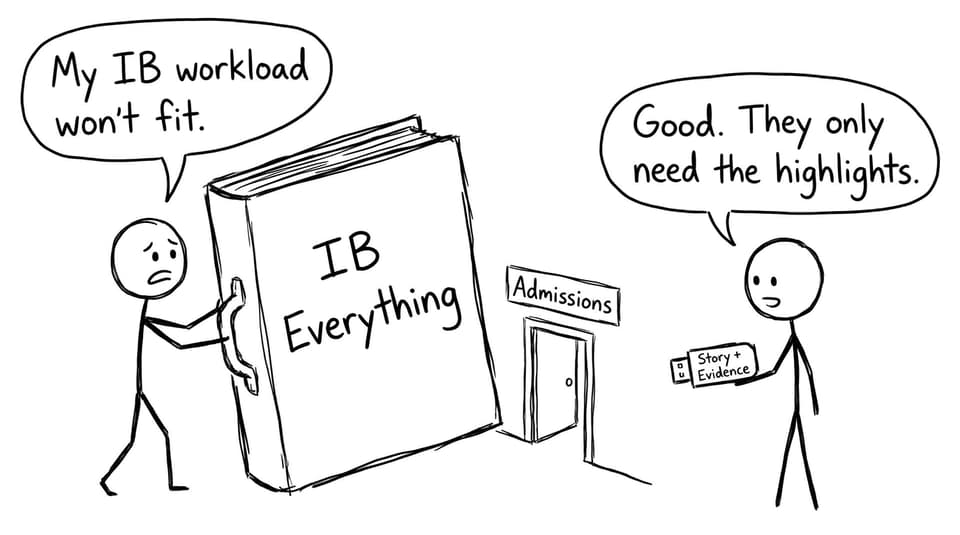
If you want the long version, RevisionDojo’s deep dive on what universities think of the IB Diploma gives helpful context. But if you’re preparing for exams, here’s the practical takeaway: use IB to signal readiness, then back it up with scores and smart prep.
Quick checklist: what universities value in IB students
Keep this short list in your notes app for motivation when revision feels pointless:
-
Global recognition: The IB is widely understood across major destinations, from the UK and US to Canada and Australia.
-
Academic rigor: Breadth plus Higher Level depth is a clear “this student can cope” signal.
-
University-style skills: TOK and the EE train thinking and writing in ways universities rely on.
-
Comparable results: An IB score helps admissions teams compare students from different school systems.
-
Potential for credit/advanced standing: In some regions, strong HL results can translate into course benefits.
Why the IB translates well to university expectations
Universities like students who can handle ambiguity: long reading lists, open-ended prompts, competing deadlines. The IB quietly trains those muscles.
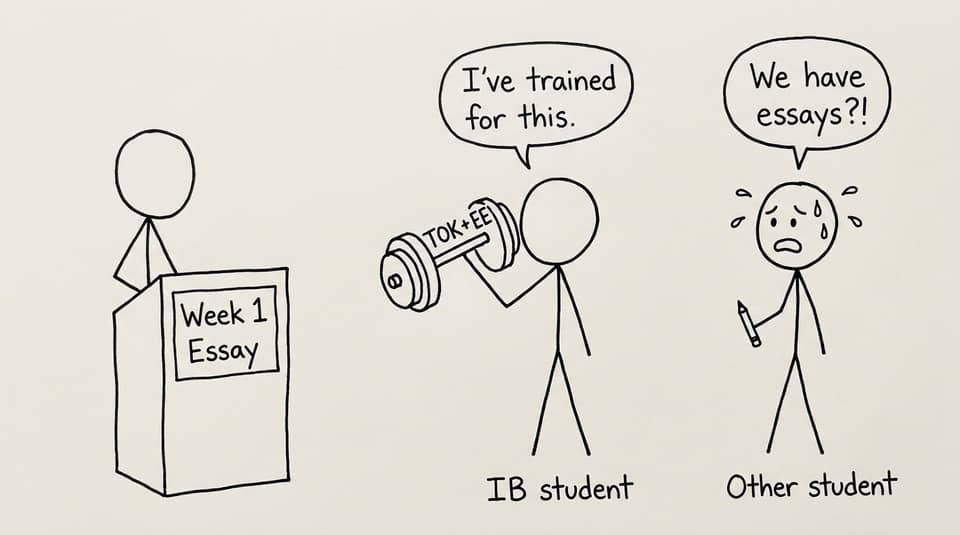
TOK teaches you to question claims instead of collecting them. The Extended Essay teaches you to build an argument when nobody gives you the “right” structure. Internal assessments teach you that performance isn’t one big moment; it’s a series of smaller decisions.
That’s why top institutions often speak positively about IB preparation. If you’re aiming high, the guide on Ivy League views of the IB is worth reading alongside your study plan.
IB vs A-Levels and AP: what admissions teams tend to notice
The comparison isn’t about which programme is “best.” It’s about what your choices communicate.
-
IB breadth: Six subject groups show versatility, which fits well with universities that like broad academic foundations.
-
HL signal: Higher Level subjects can act like “door subjects” for certain degrees (especially STEM and economics). Universities often care about prerequisites more than prestige.
-
Assessment style: The IB mixes exams with coursework, which can look closer to real university life than a purely final-exam model.
If you’re still deciding (or just want language for explaining your route), see which curriculum is best: IB vs American vs British (A-Level/AP) and the honest comparison is IB more difficult than A-Levels or AP?.
The score question: what “good” looks like across countries
Here’s what matters for an IB score: universities rarely treat it like a personality test. They treat it like evidence.
Highly selective courses often expect higher totals and strong HL patterns. Other universities may be flexible if your subject mix matches the programme and your overall profile is coherent.
For a grounded overview, check RevisionDojo’s minimum IB score required for university (global guide) and why an IB score is needed for top universities. Those pieces help you interpret requirements without spiraling.
How to turn university respect into exam results
University respect for the IB doesn’t help if you revise in a way that never touches exam technique.
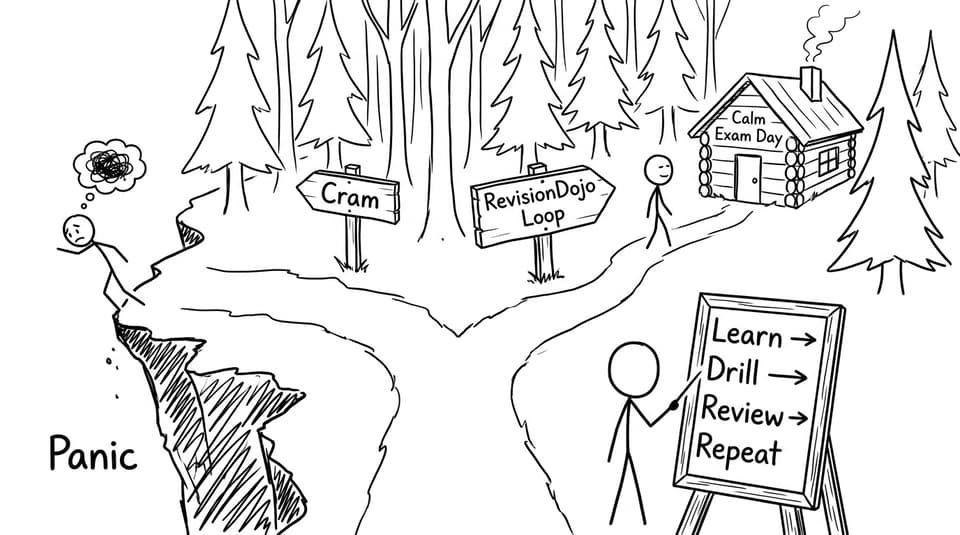
A calmer approach is to build a loop:
-
Learn one subtopic fast
-
Drill it immediately with exam-style questions
-
Review mistakes like they’re clues
-
Repeat until the pattern breaks
This is exactly where RevisionDojo becomes useful as an all-in-one IB system: Study Notes for clarity, Questionbank to train under pressure, Flashcards for daily recall, and AI Chat when you’re stuck. When exam season gets real, Mock Exams and Predicted Papers help you practice timing and decision-making. And when coursework stress creeps back, the Coursework Library and Grading tools bring structure, with Tutors available for targeted help.
If you want a mindset reset, read top IB students don’t study like you think. It’s the same message universities care about: consistency beats intensity.
Closing: make the IB reputation work for you
Universities think well of the IB because it predicts something harder than intelligence: endurance, structure, and the ability to perform under constraints.
Now make that reputation practical. Build a simple plan, practice with real questions, and tighten your weaknesses until your scores match your effort. If you want one place to run that whole process, RevisionDojo is built for IB students: Questionbank, Study Notes, Flashcards, AI Chat, Mock Exams, Predicted Papers, Grading tools, and support that keeps you moving when motivation fades.