




What Do Ivy League Schools Think of the IB?: Expert Insights & Real Quotes
You can feel it in the hallways in April: the quiet math of ambition. A friend mentions Harvard. Someone else says Princeton like it’s a weather forecast. Then the worry arrives, dressed as a practical question: What Do Ivy League Schools Think of the IB?: Expert Insights & Real Quotes, and does your workload actually help, or just exhaust you?
Here’s the calm answer: Ivy League admissions teams tend to respect IB because it signals sustained rigor, disciplined writing, and the ability to finish hard things under deadline pressure. That doesn’t mean the IB is a golden ticket. But it does mean you’re speaking a language selective universities recognize.
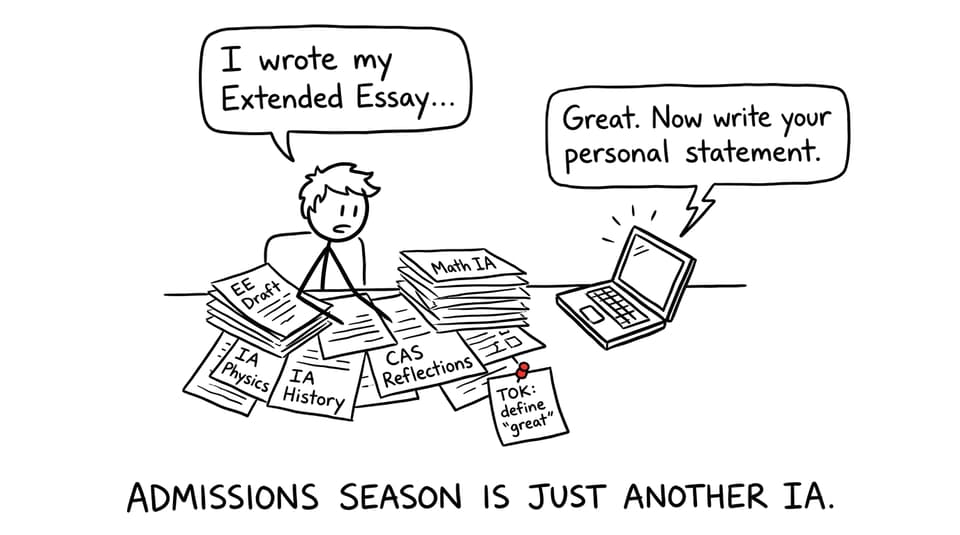
Quick checklist: what Ivy League readers notice in IB applicants
-
Full Diploma rigor (not just isolated courses)
-
Strong predicted performance and consistent grades
-
Evidence you can write, research, and revise (EE + IAs)
-
Intellectual curiosity (TOK done thoughtfully, not mechanically)
-
Balance and follow-through (CAS with real substance)
-
Exam readiness and resilience under timed conditions
If you want a broader admissions reality check, keep this open while you plan: IB Diploma for Top U.S. Universities: The Honest Truth.
What Do Ivy League Schools Think of the IB?: Expert Insights & Real Quotes from admissions
Selective universities rarely “rank” curricula publicly. But when they do comment, the pattern is consistent: IB is seen as high-quality preparation.
Marilyn McGrath Lewis (Harvard University, Assistant Dean) is often quoted for a line that captures the admissions logic:
“Success in an IB program correlates well with success at Harvard. We are always pleased to see the credentials of the IB Diploma Programme on the transcript.”
Christoph Guttentag (Duke University, Director of Admissions) adds a simpler signal:
“One of the advantages of the IB curriculum is its structure and quality. We think the IB curriculum is terrific.”
And Panetha Ott (Brown University, Admissions Officer) offers the kind of blunt respect that’s easy to miss when you’re stressed:
“I don’t think there is anyone who does not respect the I.B.”
If you want the longer context and how these quotes are commonly presented together, read: What Do Ivy League Schools Think of the IB?.
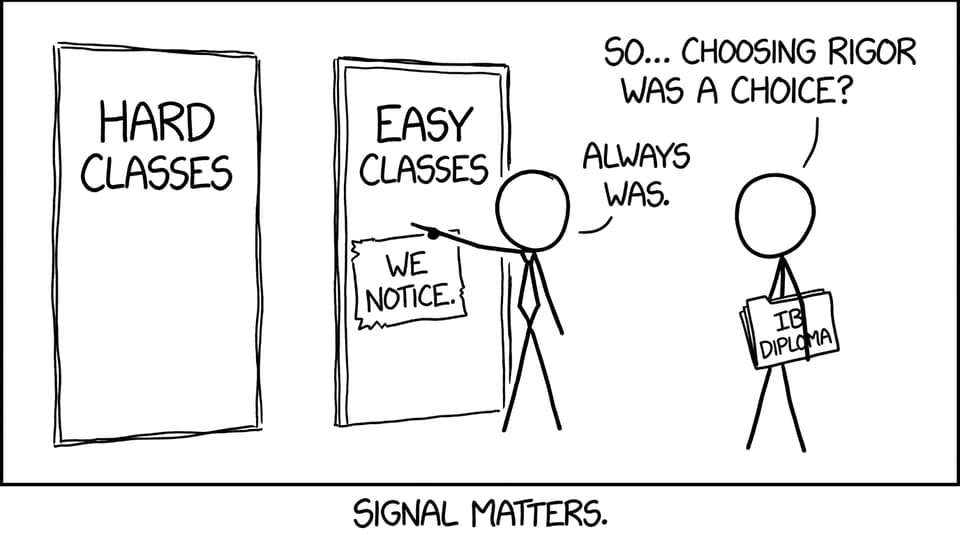
The score question: what’s “competitive” for Ivy League?
IB students often ask for a number because numbers feel stable. Admissions isn’t. But ranges can still guide your planning.
A commonly cited benchmark in U.S. admissions advising is:
-
38+: broadly competitive for top U.S. universities
-
40+: often the expectation for the most selective pathways
For a clearer breakdown of what totals mean (and what they signal), use: What Is a Good IB Score? (Student Guide). If Harvard is specifically on your mind, this deep dive helps calibrate reality: Average IB Score for Harvard: Complete Admissions Guide.
Why Ivy League schools value IB skills (and how to turn them into results)
Ivy League readers aren’t only looking at difficulty. They’re looking at transferable proof: can you think, write, and persist?
The IB core is an admissions story if you frame it well
-
Extended Essay shows independent research and sustained argument.
-
TOK shows you can examine assumptions, not just collect facts.
-
CAS shows follow-through, balance, and impact.
If you’re still building these pieces, RevisionDojo has targeted guides to keep you moving without spiraling: How to Structure an Extended Essay (EE) and Comprehensive Guide to IB TOK Essay Structure.
Exam readiness matters more than people admit
Even if your application is strong, your predicted grades and final outcomes still rest on exam performance. That’s where a system beats motivation.
RevisionDojo is built like an exam loop: Study Notes to get clear, Flashcards to retain, Questionbank to apply, AI Chat to unblock confusion fast, and Grading tools to see why you lost marks. Then you rehearse with Mock Exams and Predicted Papers until timing stops being a surprise.
To build that rhythm, steal this plan: Balanced IB Study Schedule That Actually Works and this pressure-tested approach: How to Study for IB Mocks (Without Burning Out).
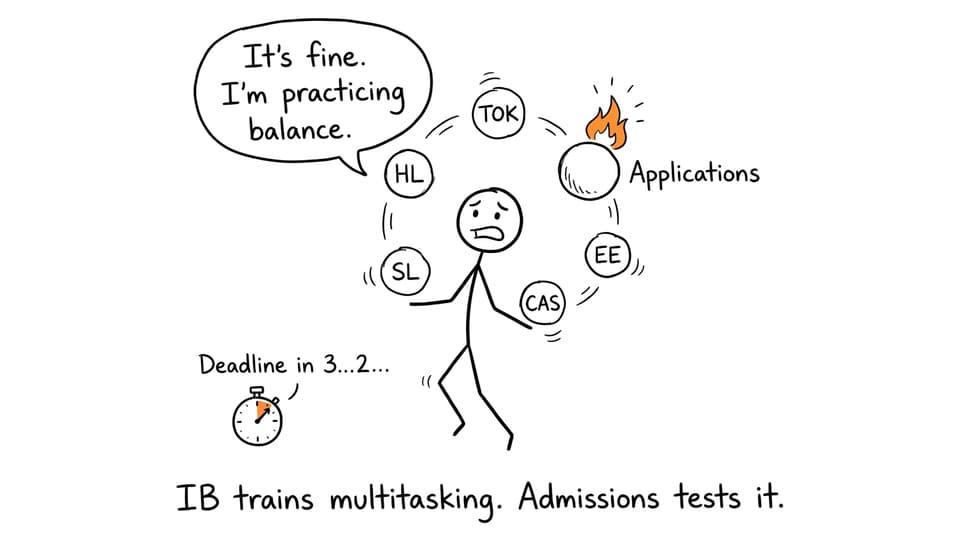
Closing: turn respect into results
The simplest truth behind What Do Ivy League Schools Think of the IB?: Expert Insights & Real Quotes is this: the IB is respected because it’s hard to fake. It asks for breadth and depth, writing and thinking, stamina and follow-through.
Your job now is to convert that respect into outcomes: predicted grades you’re proud of, exams you’re ready for, and a story that sounds like you. Build your loop in one place with RevisionDojo’s Study Notes, Flashcards, Questionbank, AI Chat, Grading tools, Predicted Papers, Mock Exams, Coursework Library, and Tutors, and make your preparation feel steady instead of chaotic.
For the next step, start with one timed set, one mistake log, and one fix. Then repeat. That’s how big outcomes are built.