



Introduction
You can tell when a course has a clear purpose because it changes how you study.
In IB Languages, that purpose often arrives in an ordinary moment: you try to say something simple in German, your sentence collapses halfway, you laugh, you try again, and somehow you remember it the next day. IB German Ab Initio is designed for that loop. It’s not a course that rewards “sounding talented.” It rewards becoming usable.
This 2025 guide unpacks the aims of IB German Ab Initio and translates them into what they mean for your revision. You’ll see how the aims shape lessons, assessments, and the mindset that earns marks in IB Languages.
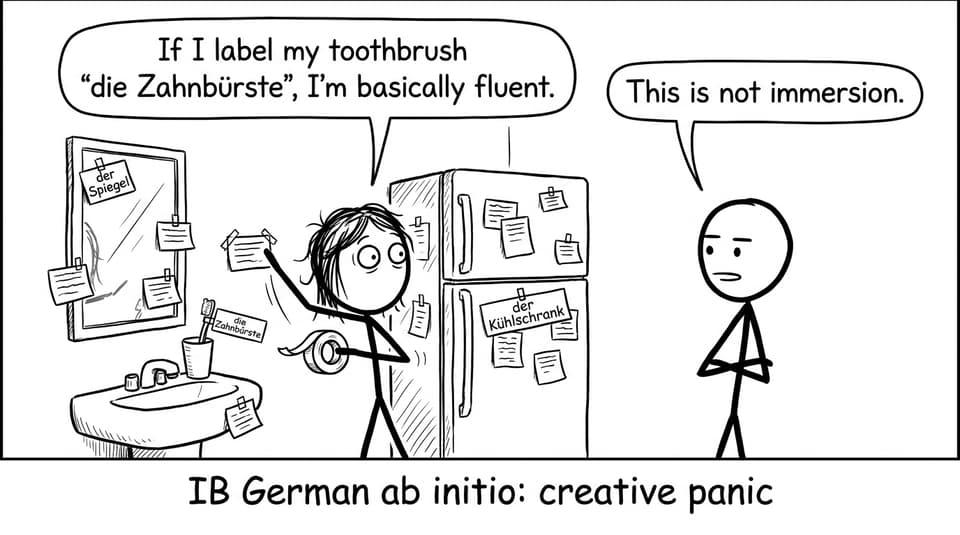
Quick overview checklist: the aims in plain language
Before the detail, here’s the map. The aims of IB German Ab Initio are to help you:
-
Communicate in German in real contexts (not just recognize words)
-
Build international-mindedness through cultural understanding
-
Appreciate linguistic and cultural diversity
-
Develop habits for lifelong language learning
-
Grow IB Learner Profile traits like communicator, open-minded, and reflective
If you want the course context first, read What Is IB German Ab Initio? Complete 2025 Guide. It frames what “from the beginning” truly means in IB Languages.
The official aims of IB German Ab Initio (and why they matter)
Aims are broad. They’re the reason the course exists, the logic behind why you learn themes, why you practise text types, and why your teacher keeps bringing culture into what feels like basic grammar.
In IB Languages, these aims act like a compass. When you’re unsure what to revise, return to them. If your practice builds communication, cultural awareness, and learning habits, you’re moving in the right direction.
Developing international-mindedness
International-mindedness can sound abstract until you’re faced with a real interaction: different norms, different assumptions, different ways of being polite or direct.
IB German Ab Initio uses German-speaking contexts (people, places, daily life, issues) to help you compare perspectives without turning differences into stereotypes. This is why themes matter: they’re not just topics, they’re a structured way to encounter “the world” through language.
This aim also connects directly to the IB Learner Profile. If you want a clearer understanding of those traits, see Understanding the IB Learner Profile: Traits for Success. In IB Languages, you don’t just learn content; you practise becoming a certain kind of learner.
Enabling communication (the heart of IB Languages)
The central aim is practical: communicate.
That means you learn to:
-
Express meaning clearly with beginner-friendly accuracy
-
Understand short written and spoken texts in familiar contexts
-
Write structured responses in specific formats
-
Speak with enough control to sustain a conversation
You can see this aim mirrored in the assessment design. If you’re planning revision, keep the format visible with IB German Ab Initio Exam Format (2025 Guide). Communication is tested across writing, reading, listening, and speaking, exactlya balanced skill set typical of IB Languages.
How each aim shows up in your exams
Students often revise language like it’s a list: vocabulary, grammar, more vocabulary. The aims push you toward something more useful: performance under constraints.
Communication aim in Paper 1 (writing)
Paper 1 rewards a simple, controlled message delivered in the correct text type and register. Your goal isn’t to show off. Your goal is to be understood.
If you want a practical writing loop, use How to Avoid Common Mistakes in Language B Writing alongside IB Languages: Write the Perfect Exam Essay. Even though Ab Initio differs from Language B in level, the underlying IB Languages principle is the same: clarity beats complexity.
Communication aim in Paper 2 (reading and listening)
Reading and listening don’t require perfect translation. They require comprehension: tracking purpose, identifying key details, and making correct inferences.
Many students improve fastest when they stop chasing every unknown word and start hunting structure (signposts, contrasts, opinions, time shifts). That’s exactly what the aims are pushing you toward: functional understanding.
Communication aim in the oral
The oral is where the course’s philosophy becomes obvious. You are expected to keep meaning moving, even when you make mistakes.
That’s why strategy matters. See 10 Proven Tips to Prepare for Your IB Language B Oral Exam and Top Mistakes in IB Language Oral Exams and How to Avoid Them. The same habits apply across IB Languages: structure, repair phrases, and calm pacing.
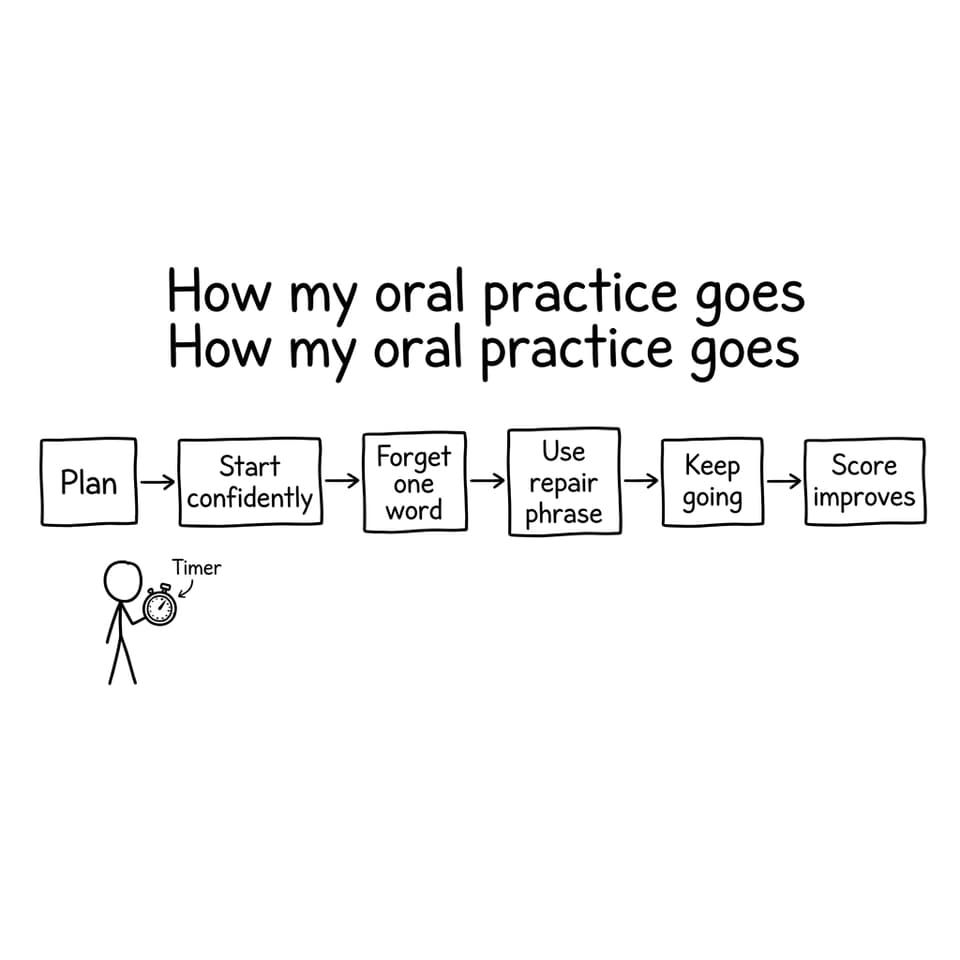
Appreciation of diversity: culture is part of the mark
A language without culture becomes a code. The course aim is to help you see language as a social tool: shaped by traditions, values, humour, formality, and context.
In practice, this means you should train yourself to add small cultural anchors when you speak and write. Not a random fact. A relevant link. For example, when discussing school life, you might compare routines and expectations across contexts. When discussing the environment, you might connect daily choices to wider social attitudes.
This is also why theme-based revision works. RevisionDojo’s structured practice by theme makes the “culture + language” connection easier to rehearse: IB German ab initio Exercises.
Lifelong language learning: the hidden aim that saves your grade
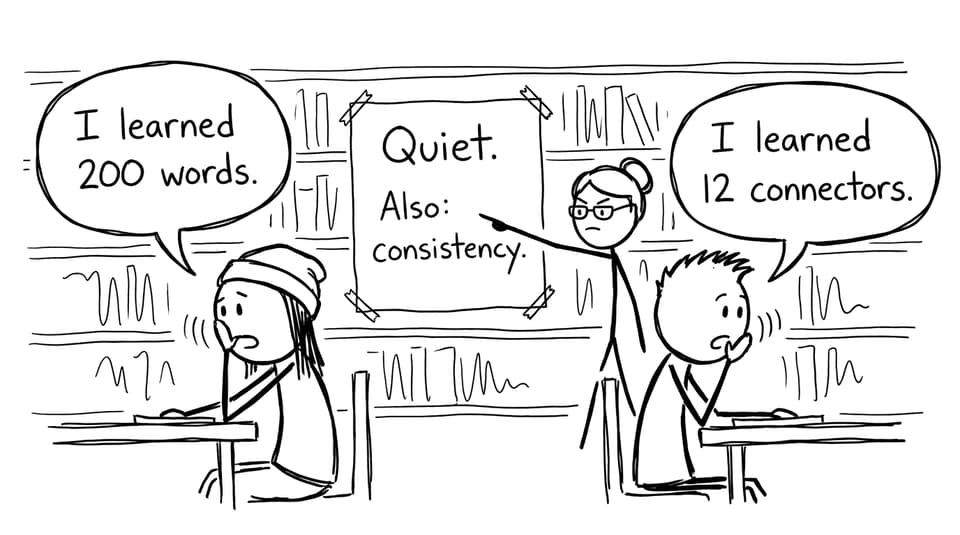
Ab Initio is designed to be a first language journey for many students. The course aims to leave you with strategies you can reuse: noticing patterns, building vocab efficiently, monitoring your errors, and staying consistent.
This matters for exams because consistency is what creates fluency at beginner level. Ten minutes of focused practice daily often beats a two-hour weekend cram.
One of the most practical ways to respect this aim is to build a small, repeatable system:
-
Use Study Notes to clarify what “correct” looks like
-
Use Flashcards for theme vocabulary and high-yield phrases
-
Use Questionbank-style practice to apply language in exam-like tasks
-
Use AI Chat to generate follow-up questions and speaking prompts
-
Use Grading tools to get feedback on writing and track patterns
-
Use Mock Exams and Predicted Papers when you need full timing practice
-
Use the Coursework Library and Tutors when you want examples and human coaching
You can start from the subject hub: German ab initio - IB Resources. It’s a clean way to run all of these pieces in one place, exactlyexactly what busy IB Languages students need.
Supporting the IB Learner Profile (what it looks like in German class)
The Learner Profile isn’t decoration in IB Languages. It’s behaviour under pressure.
-
Communicator: You express meaning even with limited language.
-
Risk-taker: You speak before you feel ready, and you keep going after errors.
-
Open-minded: You treat cultural differences as information, not judgement.
-
Reflective: You track the mistakes you make repeatedly and fix them.
-
Principled: You communicate honestly and respectfully, especially across cultures.
A useful extension reading is How Is the IB Learner Profile Reflected in Assessments?. It helps you see why these traits quietly predict performance.
Conclusion: use the aims as your revision compass
The aims of IB German Ab Initio are not abstract statements for a syllabus document. In IB Languages, they are practical instructions: communicate, connect, stay curious, and keep improving through feedback.
If you revise in a way that builds real communication (writing, reading, listening, speaking) and you practise cultural awareness through the themes, you’re aligned with what the course is trying to create, andand what the exams are designed to measure.
To make that alignment easier, RevisionDojo brings everything into one system: Study Notes for clarity, Flashcards for recall, a Questionbank for targeted practice, AI Chat for speaking drills, Grading tools for feedback loops, Predicted Papers and Mock Exams for timing, plus a Coursework Library and Tutors when you want deeper support. Start with German ab initio - IB Resources and build your momentum one small, consistent session at a time.