
Results Day rarely feels like a single moment. It feels like a chain reaction: your phone buzzes, your stomach drops, and suddenly the future is a set of doors you have to choose between quickly.
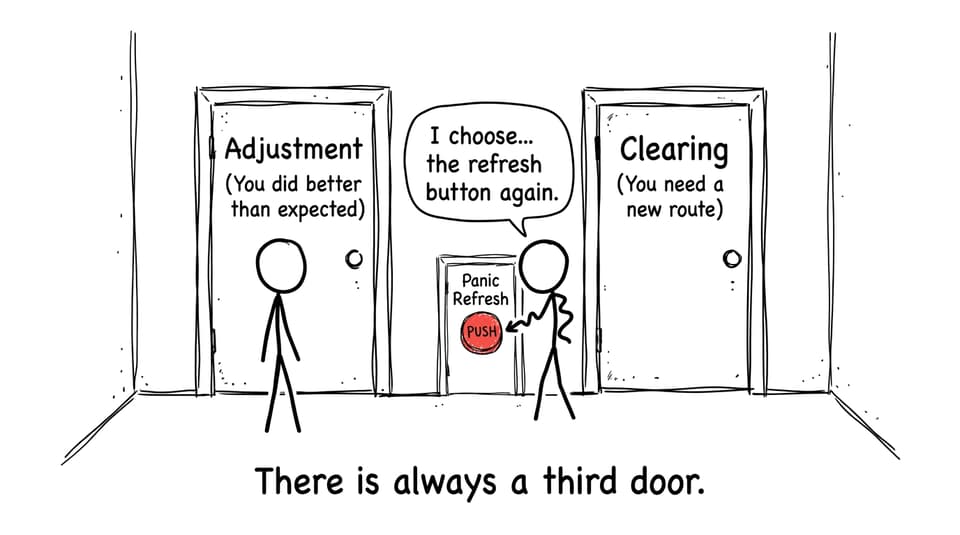
That’s where UCAS comes in. Specifically, two pathways that are easy to mix up when you’re tired and emotional: UCAS Adjustment and UCAS Clearing. They sound similar, but they’re built for opposite outcomes. One is for when you exceed your offer. The other is for when you need a new route.
RevisionDojo works with IB students who want something simple on a complicated day: a plan that holds up even when you’re stressed. This guide explains UCAS Adjustment vs UCAS Clearing in plain English, so you can decide which one suits you without panic-refreshing your browser.
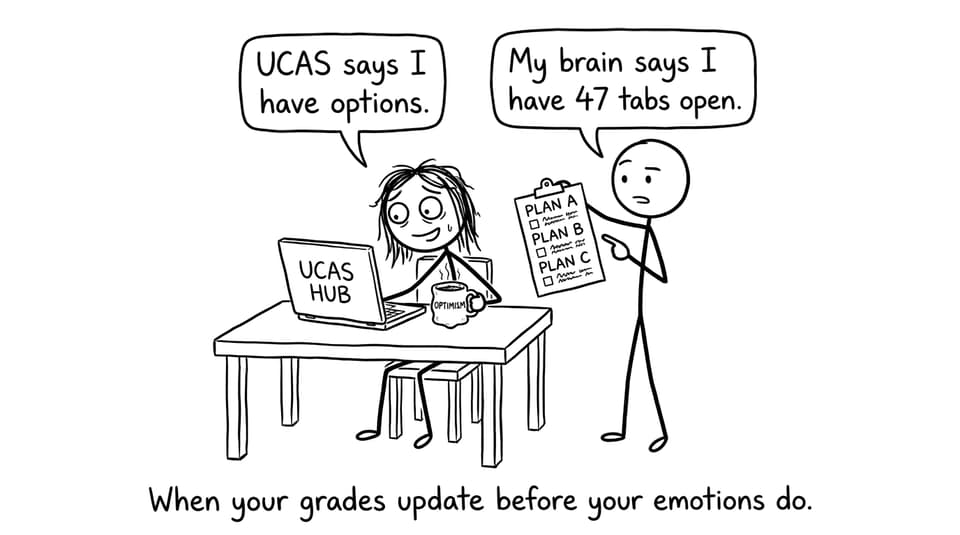
Results Day quick checklist (save this)
Before you think about Adjustment or Clearing, ground yourself:
-
Check your status in UCAS (start with UCAS Track Explained).
-
Know your firm and insurance logic (review How to Rank Your UCAS Choices Strategically).
-
If you missed your offer, read UCAS Guide: What Happens If You Don't Meet Your Firm Choice.
-
If you’re heading into Clearing calls, keep a one-page prep sheet from UCAS Clearing Checklist 2025.
-
Stay functional: eat, hydrate, and take five minutes before you make any decision.
UCAS Adjustment: when you did better than expected
UCAS Adjustment exists for a very specific feeling: you meet the conditions of your firm choice, but your results are stronger than you planned for. Maybe you were aiming for “safe,” and you landed in “competitive.”
In Adjustment, you can explore alternative courses (often with higher entry requirements) without automatically giving up your confirmed place. That detail matters. It changes the psychology of the day: you’re exploring from safety, not negotiating from fear.
Adjustment is also optional. If you love your firm choice, you can keep it and move on. Sometimes the best “upgrade” is the course that already fits your life.
UCAS Clearing: when you need a new route
UCAS Clearing is for students who don’t currently have a confirmed place. That can happen for a few reasons: you missed the conditions of your firm and insurance, you declined your offers, you applied late, or you simply changed direction.
Clearing can feel intense because it moves quickly. Courses update, spaces fill, and you often need to speak directly to admissions teams. But it’s not a “failure” lane. It’s a re-matching system. Every year, strong students use UCAS Clearing to pivot into courses they actually prefer.
If Clearing is likely for you, read the practical walkthrough: UCAS Clearing 2025: Secure Your Ideal University Place.
UCAS Adjustment vs UCAS Clearing: the real differences
Eligibility is opposite
-
UCAS Adjustment: you’ve exceeded the conditions of your firm offer.
-
UCAS Clearing: you don’t have a confirmed place (or you choose to enter Clearing).
Risk level is different
Adjustment is low-risk because you’re exploring while holding your place.
Clearing is higher pressure because you’re building a new plan fast, and once you accept a Clearing option, you’re moving on from previous choices.
Your mindset changes the outcome
Adjustment is about asking, “Do I want to aim higher now that I can?”
Clearing is about asking, “What’s the best next step from where I am today?”
That second question is underrated. It’s how smart long-term decisions get made.
How to choose: two student stories you might recognize
If you’re the “I exceeded my predicted” student
You’re holding an offer, but your IB score came in higher than expected. You should consider UCAS Adjustment if you:
-
Feel curious about a more competitive course or university
-
Want to compare modules, placements, and location with fresh eyes
-
Still like your firm choice and don’t want to risk it
A calm move: take an hour to research, then decide. Your best decision won’t come from adrenaline.
If you’re the “my plan didn’t work” student
Your results didn’t match the conditions, and you’re staring at uncertainty. UCAS Clearing suits you if you:
-
Missed both firm and insurance requirements
-
Want a different course or a different city
-
Need a practical route that keeps your September moving
If you accept a Clearing offer, you’ll have admin steps afterwards. Keep this open: What to Do After Accepting a UCAS Clearing Offer.
Mistakes IB students make with UCAS (and how to avoid them)
-
Treating Adjustment like it “just happens” in UCAS: it doesn’t. You have to actively explore and switch.
-
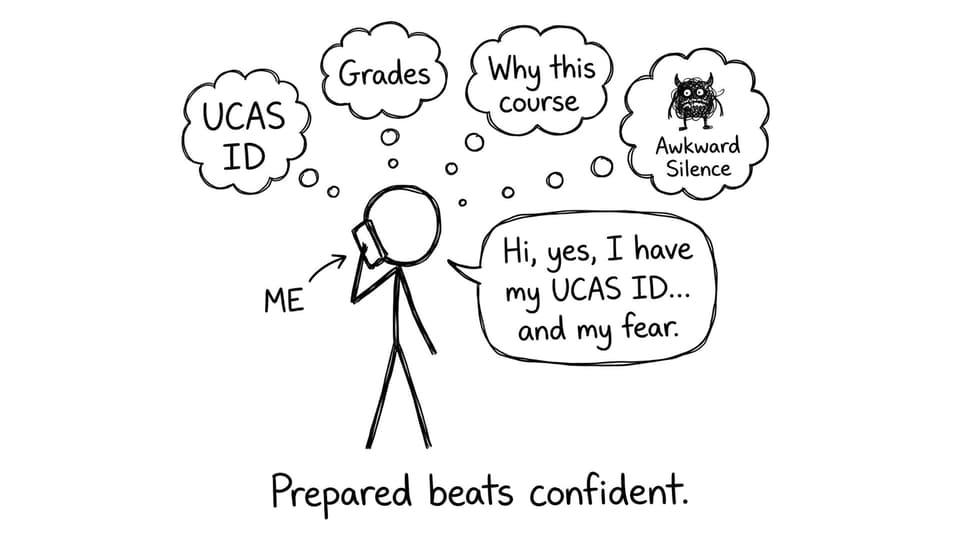
Entering Clearing with zero preparation: if you might need Clearing, build a shortlist before Results Day.
-
Making a choice just to stop the anxiety: you’re choosing a course, not ending a feeling.
-
Forgetting you can get strategic help: RevisionDojo Tutors can talk through options when you’re too close to the stress to see clearly.
How RevisionDojo helps you stay ready for any UCAS outcome
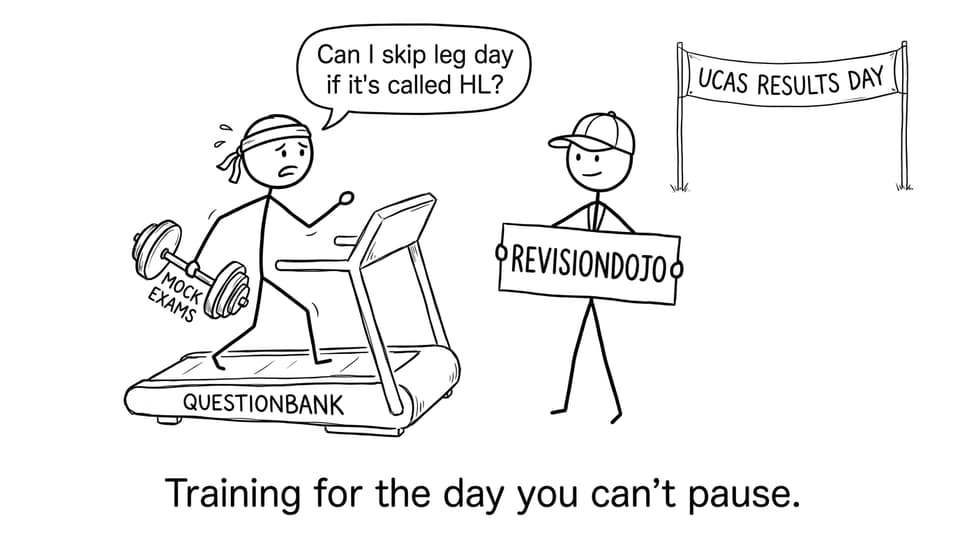
The smartest Results Day advantage is built weeks earlier: knowing what you’re capable of and having evidence for it.
RevisionDojo is designed for that:
-
Questionbank to train accuracy on exam-style questions
-
Study Notes to patch gaps quickly (no endless rewriting)
-
Flashcards for daily recall that compounds
-
AI Chat to unblock confusion fast, without losing momentum
-
Grading tools for rubric-aligned feedback (especially for coursework)
-
Predicted Papers and Mock Exams to rehearse timing under pressure
-
Coursework Library to see what strong work looks like
-
Tutors when you need a human plan, not just more content
If you’re in final prep mode, keep your revision system tight: The Ultimate Guide to Revision for IB Students.
Conclusion: use UCAS like it was designed to be used
UCAS Adjustment vs UCAS Clearing isn’t a question of which is “better.” It’s a question of which reflects your Results Day reality. Adjustment rewards an unexpected upside. Clearing supports a fast, practical re-route when things didn’t land as planned.
Either way, you’ll make a stronger decision if you prepare now: keep your revision consistent, run timed practice, and build the confidence that comes from evidence.
If you want a single home base for that preparation, open RevisionDojo and build your routine with Study Notes, Flashcards, the Questionbank, Mock Exams, Predicted Papers, AI Chat, and Tutors. When UCAS updates, you won’t be starting from panic. You’ll be starting from a plan.