
The night you finally sit down to study, you don’t usually feel lazy. You feel late.
That’s the quiet pressure of IB: six subjects, competing deadlines, and the strange sensation that time speeds up whenever you open your laptop. The goal isn’t to become a productivity robot. It’s to build a system that survives real life, so your IB revision stays steady even when school gets loud.
A quick IB time management checklist
-
One master calendar for every deadline
-
Weekly review ritual (10-15 minutes)
-
Daily time blocks (not open-ended study)
-
Active recall as the default study method
-
One timed session per week to train exam pacing
If you want extra structure, pair this with How to Create a Balanced IB Study Schedule.
9 time management tools and techniques for IB students
Master calendar (Google Calendar or paper)
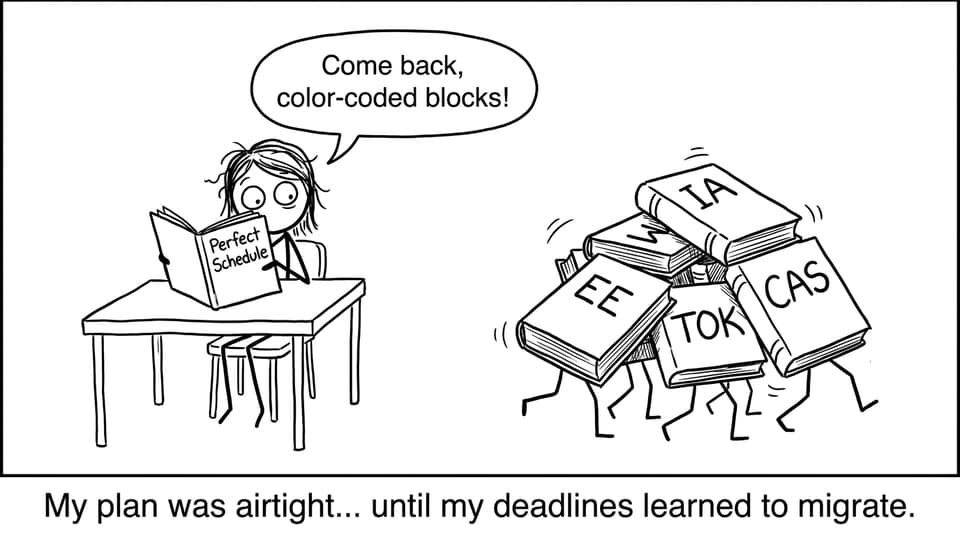
Put every IB date in one place: tests, Internal Assessments, TOK, CAS, and personal commitments. The magic is not the tool, it’s seeing collisions early.
For a full planning walkthrough, use How to Plan Final IB Revision Using the Official Timetable.
Weekly review ritual
Pick one day (often Sunday) and reset your week: decide your 2-3 priority subjects, schedule your hardest blocks first, and add buffer time.
Time blocking with a hard stop
Study expands to fill the time you allow. Give it a container: “4:30-5:20 Chemistry questions.” When the block ends, stop, log mistakes, and move on.
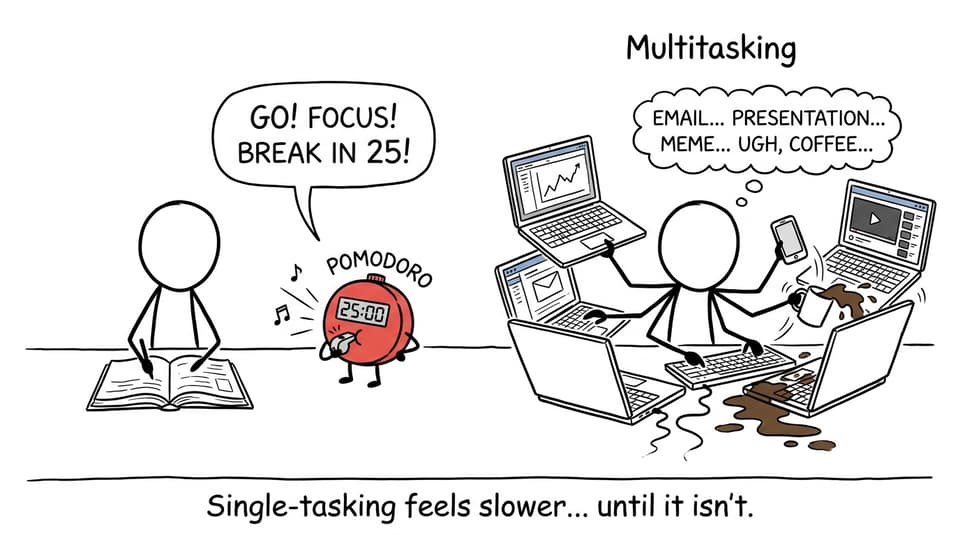
Pomodoro (single-tasking on purpose)
Use 25-50 minutes focused, then 5-10 minutes off. In IB, consistency beats heroic marathons.
Active recall: Flashcards + questions
If you’re rereading for hours, you’re managing time but not building marks. Use retrieval: quick Flashcards, then practice questions to prove you can apply it.
Try this method guide: How to Use Flashcards to Learn IB Math Definitions.
The “next tiny action” rule
Big tasks create avoidance. Replace “work on EE” with “write one paragraph of analysis” or “find two sources.” Small actions keep IB momentum when motivation dips.
Mistake log (the fastest way to stop repeating errors)
After every practice set, write 3 lines: what you got wrong, why, and the rule for next time. That single page saves hours.
Timed practice every week
Timing is a skill. Build it early with timed blocks, then increase frequency. This pairs perfectly with the pacing guidance in How Long Are IB Exams? Time Breakdown Explained.
Use one platform to reduce setup friction
When tools are scattered, you burn time just deciding what to do. RevisionDojo keeps your IB loop connected: Study Notes for quick clarity, Flashcards for daily recall, a Questionbank for exam-style practice, AI Chat for fast unblocking, plus Mock Exams, Predicted Papers, Grading tools, a Coursework Library, and Tutors when you need deeper feedback.
Start here: IB Revision Made Easy With RevisionDojo All-in-One.
Conclusion: make IB time work for you
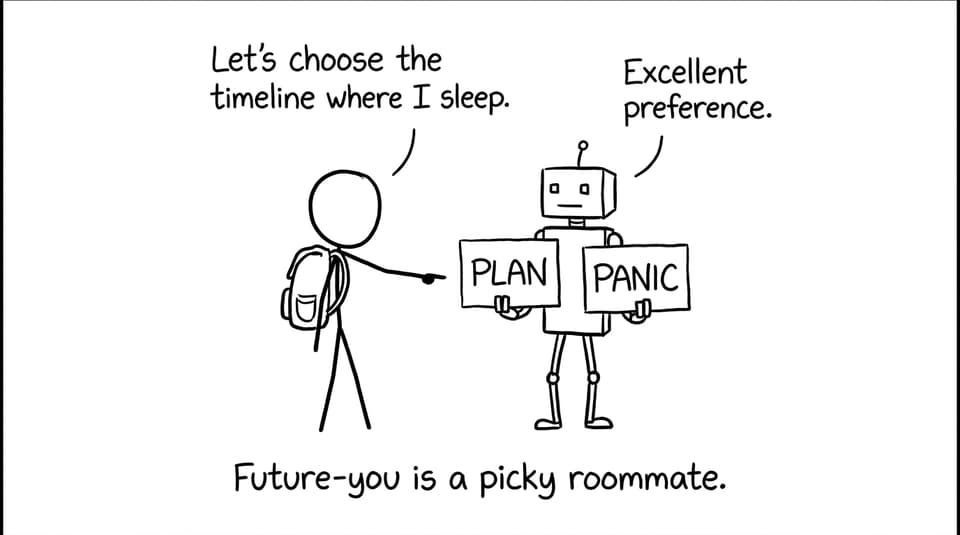
Time management in IB isn’t about doing more. It’s about wasting less energy deciding, re-reading, and restarting. Build a simple weekly rhythm, study in time boxes, and let active recall and timed practice do the heavy lifting.
If you want one place to run the whole IB system: from Study Notes to Questionbank practice, Flashcards, AI Chat feedback, Mock Exams, Predicted Papers, and Grading tools, use RevisionDojo and turn your next week into something you can actually repeat.