
If you have an IA and an EE hanging over you, the problem is rarely effort. It’s timing.
Most busy IB students don’t fail because they “didn’t work hard enough.” They fail because their IA work gets squeezed into the worst possible weeks: right when exams, homework, and life all peak.
The ideal IA timeline isn’t about grinding every day. It’s about choosing the right weeks for the right kind of thinking, so your best brain shows up when it matters.
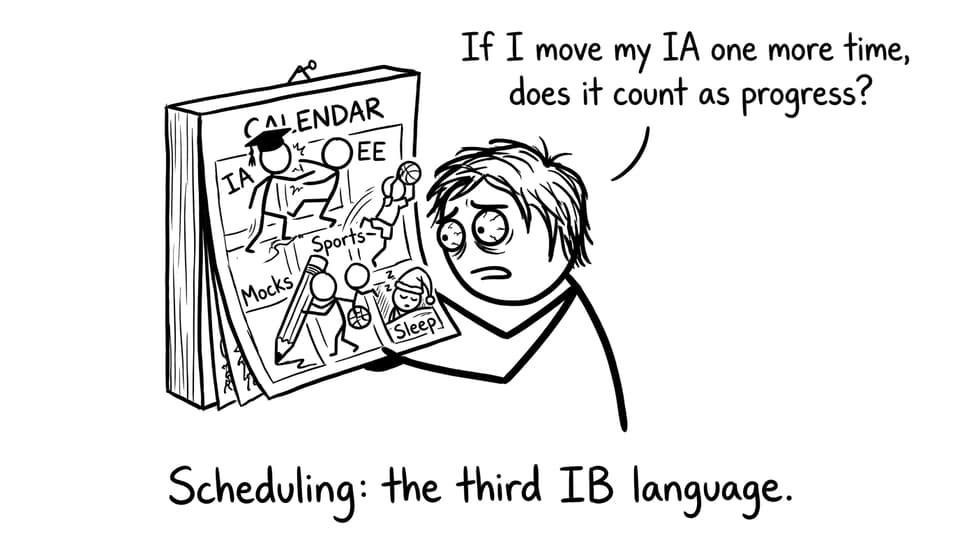
The ideal IA timeline at a glance (busy-student checklist)
Use this as your “don’t overthink it” map for any IA (and the same logic works for the EE):
-
Clarify the task early (criteria, focus, feasibility)
-
Make light, consistent progress (small weekly wins)
-
Reserve a few deep-work windows (analysis, evaluation, argument)
-
Finish with refinement (clarity and structure, not panic rewrites)
When you need a step-by-step hub that ties IA and EE planning together, start with IB Coursework Guides.
Why most students use the wrong IA timeline
School deadlines are usually checkpoints, not the best moments to start real work. If you treat the first deadline as “the start,” you end up doing the hardest parts of the IA (analysis and evaluation) with the least time and the most stress.
The result looks predictable:
-
You choose a topic too broad because you had to choose fast
-
You collect data/sources before you know what you’re trying to prove
-
You write a draft that’s descriptive, then scramble to “add evaluation” later
That’s why a good IA timeline starts before you feel ready.
Phase 1: Early clarification (low time, high impact)
This phase should begin as soon as the IA or EE is introduced. Think of it as preventing future chaos with small, calm moves.
Your goal is not word count. Your goal is clarity:
-
What does the rubric actually reward?
-
What is my exact focus or research question?
-
What would “good evidence” look like for this subject?
If you want models of what “good” looks like, browse IB Coursework Examples: IA, EE and TOK Exemplars. Seeing strong structure early makes every later decision easier.
Phase 2: Light but consistent IA progress (the busy-student advantage)
Busy students often think they need a free weekend to make progress. Usually, they need a repeatable weekly rhythm.
In this phase, schedule 1-2 short sessions per week (30-60 minutes) for:
-
Targeted research (only what supports your focus)
-
Method/planning notes
-
Early data collection or source gathering
-
A “living outline” that updates as you learn
If your week is chaotic, pair your IA work with a small daily retention habit so exams don’t creep up on you. RevisionDojo makes this easy by connecting IB Subject Note Collections to IB Flashcards with Spaced Repetition (SRS).
Phase 3: Deep work windows (where IA marks are earned)
A strong IA is rarely “written” into existence. It’s argued into existence.
As deadlines approach, you need fewer sessions, but they must be longer and protected (60-120 minutes). This is the phase for:
-
Analysis that actually answers your research question
-
Evaluation that shows limitations, reliability, and improvement ideas
-
Clear links between evidence and conclusion
If you want a practical way to stay on schedule, use Time Management Strategies for Completing Your IA on Schedule as a weekly reset.
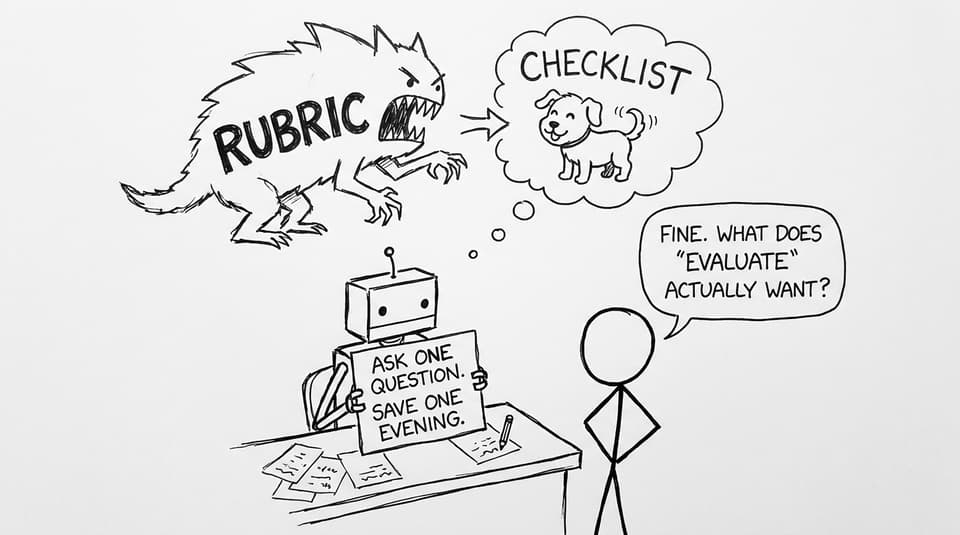
And when you’re unsure what the rubric language means in practice, this is where RevisionDojo’s AI Chat becomes useful: ask one precise question, unblock one stuck paragraph, move forward.
Phase 4: Refinement, not panic (the final IA lift)
The last phase should feel like polishing, not rebuilding.
Aim to:
-
Tighten structure (each section does one job)
-
Improve clarity (clean graphs, clean citations, clean explanation)
-
Respond selectively to feedback (fix what affects marks)
This is also when RevisionDojo’s Grading tools matter most. Upload a draft to the IB Coursework Grader to get rubric-calibrated feedback, then make the highest-impact edits instead of random rewrites.
How to balance IA work with exam prep
A quiet truth: exam season punishes unfinished coursework.
So keep your exam engine running while your IA timeline moves forward:
-
Learn content fast with RevisionDojo for IB
-
Use the Questionbank for targeted practice and quick feedback loops
-
Lock definitions and key steps with Flashcards
-
When you need the full system mindset, read RevisionDojo App: The Smarter Way to Prep for IB Exams
The point is to stop your IA from consuming the time that should be building exam skill.
Closing: a calmer IA timeline is a competitive advantage
A strong IA isn’t built in a frantic weekend. It’s built by starting early with small clarity moves, keeping progress steady, and saving deep work for analysis and evaluation.
If you want your IA and EE timeline to feel simpler, build it inside RevisionDojo: plan with Coursework Guides, check quality with the Coursework Grader, learn faster with Study Notes, retain with Flashcards, practise with the Questionbank, and unblock yourself quickly with AI Chat. Your timeline won’t become empty, but it will become manageable, and that’s how busy students finish strong.