

If you have ever stared at your to-do list and thought, “This is not a schedule, this is a personality,” you already understand the question behind IB.
Because the real fear isn’t that IB is hard. It’s that you’ll pour two years into it and still wonder if it was worth the time, the sleep, the weekends, and the quiet stress that follows you into otherwise normal days.
Here’s the honest answer: IB can be worth it. But not automatically. It depends on what you want from it, how you work, and whether your effort turns into skills (and marks) instead of just exhaustion.
What you are really signing up for in IB
At its core, the IB Diploma Programme is a two-year curriculum built around breadth and depth.
You’ll take subjects across six groups, and you’ll also complete the IB Core:
-
TOK (Theory of Knowledge): how we know what we claim to know
-
EE (Extended Essay): a 4,000-word research project
-
CAS (Creativity, Activity, Service): structured experiences beyond academics
If you want a quick home base for understanding the bigger ecosystem, start with International Baccalaureate (IB).
A quick “worth it” checklist (students can actually use)
Before you decide whether IB is worth it, check whether these statements are mostly true for you:
-
I want broad academic training, not early specialization.
-
I’m willing to practice under timed conditions (not just read notes).
-
I can build routines that protect sleep and consistency.
-
I’m okay being uncomfortable at first, because skills come later.
-
I have (or can build) support systems: teachers, family, friends, tutors, tools.
If you nodded to most of these, IB is more likely to feel worth it by the end.
The time commitment: what IB usually costs (and why it feels heavy)
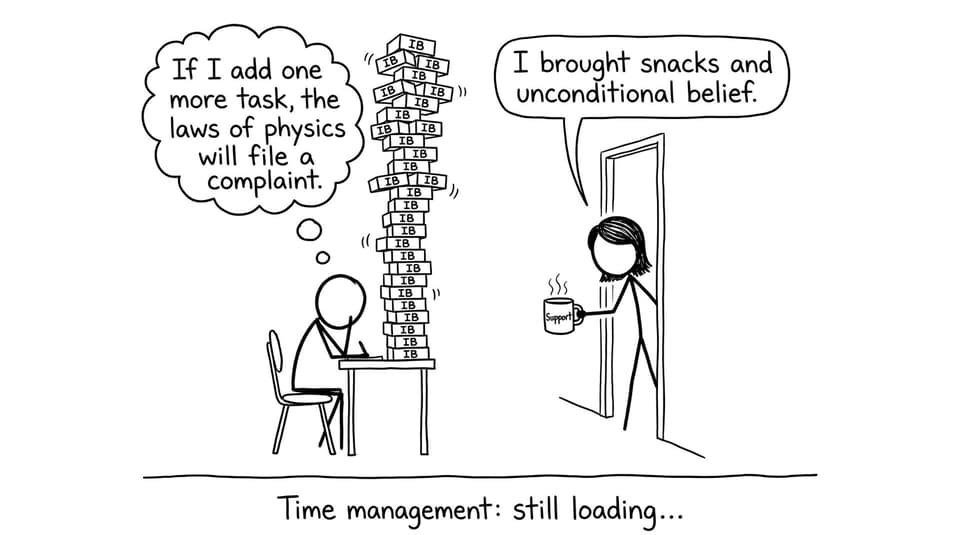
Most IB students underestimate the “invisible hours.” Not just homework, but the mental load: remembering deadlines, switching between tasks, and carrying unfinished work in your head.
A realistic outside-of-class range is often 15–25 hours per week, with spikes during Internal Assessment deadlines, EE drafting, and exam season.
This matters because the question “Is IB worth it?” is often really, “Will I get a return on those hours?”
The return only shows up when time turns into exam skill: accurate answers, faster pacing, clearer structure.
What makes IB worth it for many students
There are three big “compounding” benefits that explain why many graduates defend IB even after complaining about it for two years.
IB builds university-ready thinking (not just content)
The best part of IB is not memorizing more. It’s learning how to write, argue, analyze data, and manage ambiguity.
TOK and the EE quietly train you to:
-
question assumptions
-
structure long-form reasoning
-
research like an adult, not a student
Those are skills that pay you back later.
IB forces transferable habits
Even when it’s annoying, IB pushes habits that matter:
-
time management
-
prioritization
-
feedback loops (draft, improve, resubmit)
-
communicating under pressure
If you want your study time to become more efficient, pair your routine with tools built for the IB workload. RevisionDojo is designed around that loop: Study Notes, Flashcards, Questionbank, AI Chat, and Grading tools that turn effort into next steps.
You can see the full ecosystem here: RevisionDojo for IB.
IB is globally recognized (and often respected)
The IB Diploma is known across many countries and universities, and admissions teams generally understand that it is rigorous.
That doesn’t guarantee an offer, but it often helps your application make sense: “This student chose a challenging program and survived it.”
The honest downsides (and how students get stuck)
If we’re being real, IB can also be an efficient way to burn out if you approach it like a hero story.
Stress rises when revision becomes vague
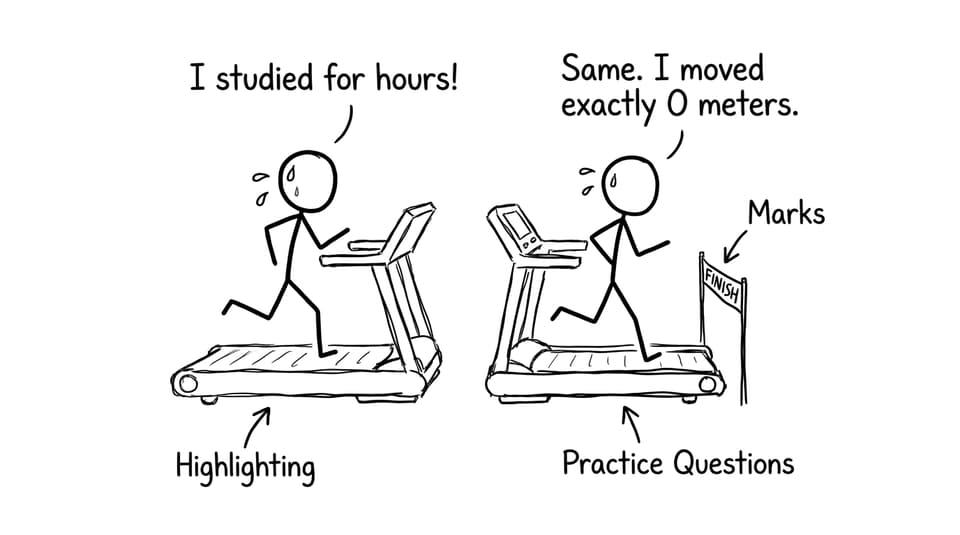
A common trap is “I studied all day” when what you really mean is “I looked at content.”
In IB, marks usually come from doing the thing the exam demands: applying knowledge in exam-style questions.
That’s why students who shift early to practice improve faster. Use Questionbank to drill by topic, then review mistakes like data, not like a moral failure.
The program is broad, so time can leak
IB requires coverage across subject groups. That breadth can feel unfair if you already know what you want to specialize in.
But the bigger risk is time leakage: spending too long maintaining every subject at a high level, instead of prioritizing what moves your final grade.
A calm planning framework helps. This guide is a solid reference point: How to Study for IB Exams: Step-by-Step Guide.
A smarter way to make IB “worth it” during exam prep
The trick is not working more. It’s building a repeatable loop.
The IB loop (simple, repeatable, effective)
-
Learn one small topic with Study Notes
-
Lock memory with daily Flashcards
-
Convert knowledge into marks using the Questionbank
-
Add realism with timed practice using IB Predicted Papers
If you want a bigger strategy map, these two posts pair well:
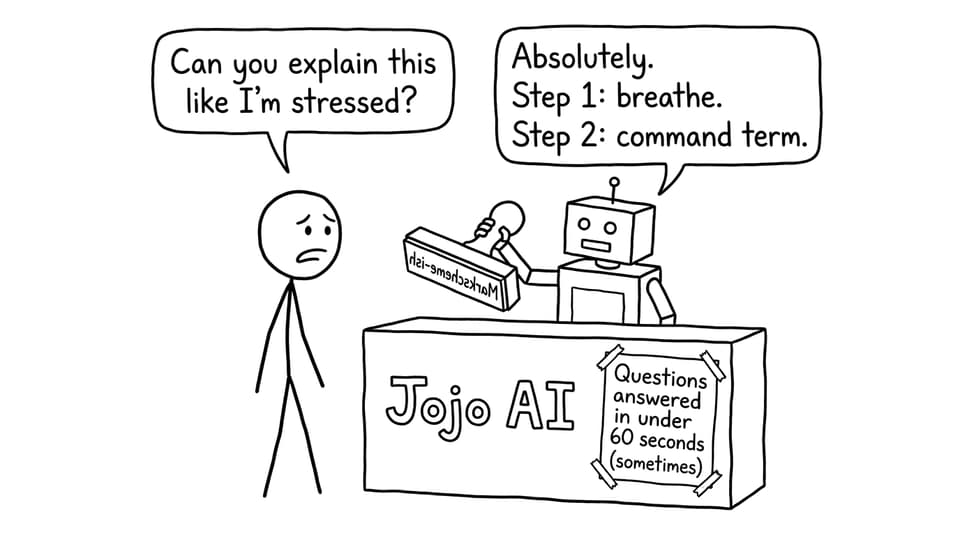
And when you get stuck on one concept that is wasting an hour, that’s what AI Chat is for: a fast explanation, then back to practice.
Conclusion: IB is worth it when effort becomes a system
IB isn’t worth it because it is famous, or because it looks impressive, or because everyone says it “builds character.” It’s worth it when you finish with proof: you can think clearly, write under pressure, manage competing deadlines, and learn independently.
If you want to make IB exam prep feel calmer and more controllable, build your loop in one place: RevisionDojo’s Questionbank, Study Notes, Flashcards, AI Chat, Grading tools, Predicted Papers, Mock Exams, Coursework Library, and Tutors are designed to turn time into marks without turning you into a machine.
Start here and make your next week simpler: RevisionDojo App: The Smarter Way to Prep for IB Exams.