




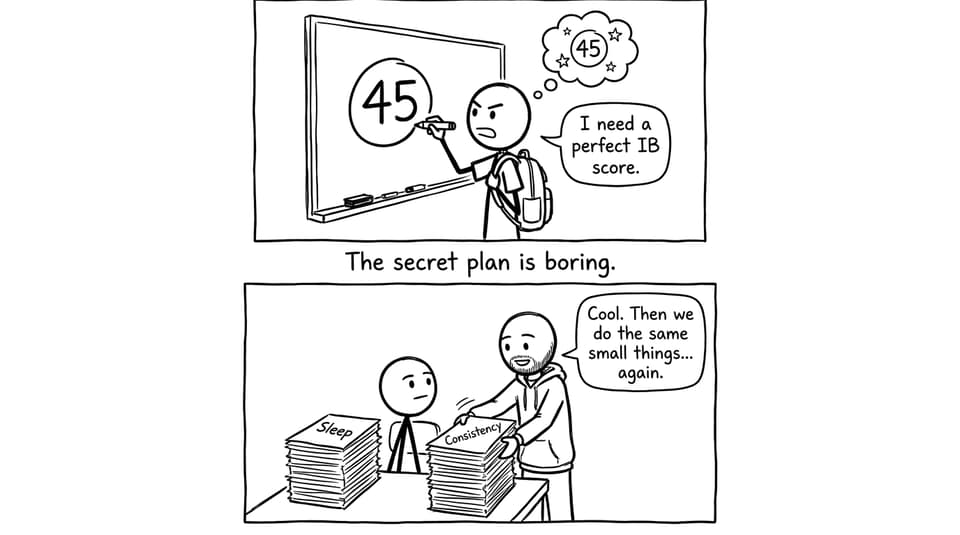
If you have ever stared at your tracker and thought, “Could I actually get a 45 in IB?”, you are not alone. The number has a strange gravity. It is neat, complete, and a little intimidating. But the truth is calmer than the myth: a 45 in IB is realistic for a small group of students, and unrealistic for anyone relying on last-minute intensity instead of repeatable systems.
What a 45 in IB actually means
A perfect IB Diploma score is 45 points:
-
42 points from six subjects (each graded out of 7)
-
3 bonus points from TOK and the Extended Essay (EE)
That structure matters because a 45 in IB is not “six perfect exams.” It is six consistently high performances plus a smart approach to TOK and EE. The students who hit 45 usually do fewer heroic study sprints and more boring, high-quality repetition.
How rare is a 45 in IB?
A 45 in IB is genuinely rare. In most years, fewer than 1% of candidates score 45. In 2020, widely cited IB statistical reporting put the proportion at 0.34%. The number is small enough that you should respect the challenge, but not so mythical that you cannot plan for it.
A realistic checklist to aim for 45 in IB
Use this as your “am I building 45-level habits?” check:
-
Tighten understanding with short, targeted study notes
-
Train recall daily with flashcards (not rereading)
-
Build marks by doing exam-style questions by topic
-
Add timed practice early to avoid a timing shock
-
Treat IAs, TOK, and EE as score multipliers, not side quests
-
Review mistakes like data, not like a verdict
RevisionDojo is designed around that loop: Study Notes, Flashcards, Questionbank, AI Chat, Grading tools, Predicted Papers, Mock Exams, a Coursework Library, and Tutors when you need human-level diagnosis.
The part most students miss: “IB” is an output, not a mood
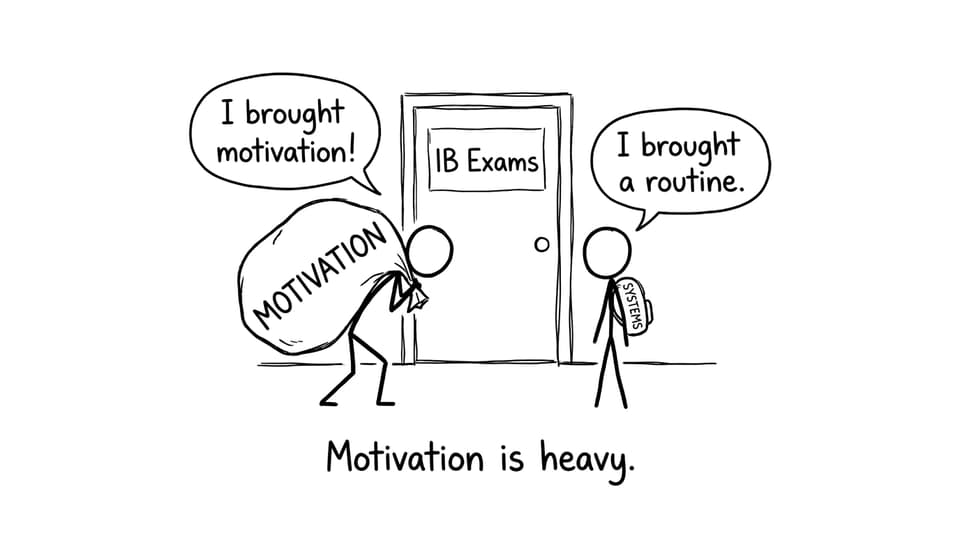
There is a moment in every serious IB season where motivation stops showing up on time. Students chasing 45 often win anyway, because they are not chasing a feeling. They are running a system.
That system looks like this:
-
Learn one chunk using digital IB Study Notes
-
Immediately test it with the Questionbank feature
-
Turn mistakes into daily recall (flashcards + short retests)
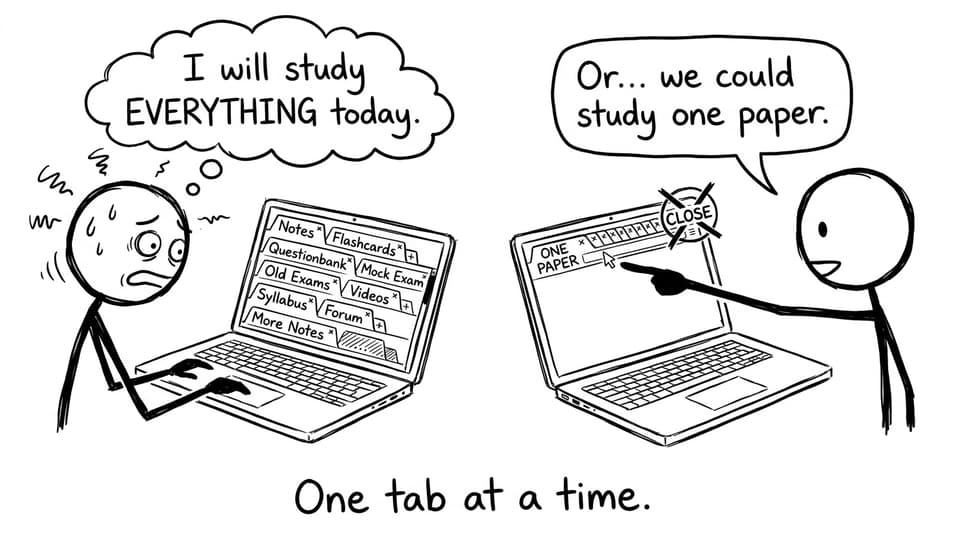
If you want a full framework, keep How to Study for IB Exams: Step-by-Step Guide open as your “default plan.” Aiming for 45 in IB is rarely about adding more hours. It is about increasing the percentage of your hours that create marks.
What happened to IB exams in 2020? (and why it still matters)
In May 2020, IB exams were cancelled globally due to COVID-19. Final results used a calculated approach based on factors like teacher predictions, internal assessments (IAs), and a school’s historical performance.
Some students felt lifted by strong coursework. Others felt squeezed by conservative predictions or uneven modelling. But the key takeaway for today’s IB candidates is timeless: coursework and internal components can carry real weight, and you should treat them with the seriousness of a final paper.
RevisionDojo’s Grading tools and Coursework Library exist for exactly this reason: turning drafts into criteria-aligned improvements instead of vague “work harder” advice.
Strategies that actually move you toward a 45 in IB
Choose strategy over suffering
A 45 in IB usually comes from smart choices repeated for months:
-
Use a question-first approach (practice reveals what you truly do not know)
-
Keep a mistake log and revisit it twice a week
-
Use AI Chat to fix specific errors fast, then retest immediately
Try this with IB Question Bank: How to Use It Effectively and Comprehensive IB Question Bank: Thousands of Practice Questions.
Build “exam calm” early
A 45 in IB is partly stamina. Add timed work earlier than you want to. Even one weekly timed block makes the real exams feel familiar.
If you are close to the finish line, use IB: The Last 2 Weeks Before Exams (What Matters) as your reality check.
Conclusion: Treat 45 in IB like a long, quiet project
A 45 in IB is rare, but it is not magic. It is what happens when strong ability meets a system that produces marks: Questionbank practice, Study Notes for fast clarity, Flashcards for daily recall, Mock Exams and Predicted Papers for timing, plus AI Chat and Grading tools to tighten feedback loops.
If you want one place to run that system, start with RevisionDojo for IB and build your routine around the tools that keep you honest. Aim high in IB, but aim in a way you can repeat tomorrow.