



The dream of a 45 (and the quiet panic behind it)
The idea of a perfect score in the IB has a strange power. It’s not just “doing well”; it’s the fantasy of doing everything right, in every subject, while also writing something brilliant for TOK and the Extended Essay, and still being a human being.
So, is it actually possible to get a 45 on the IB exam?
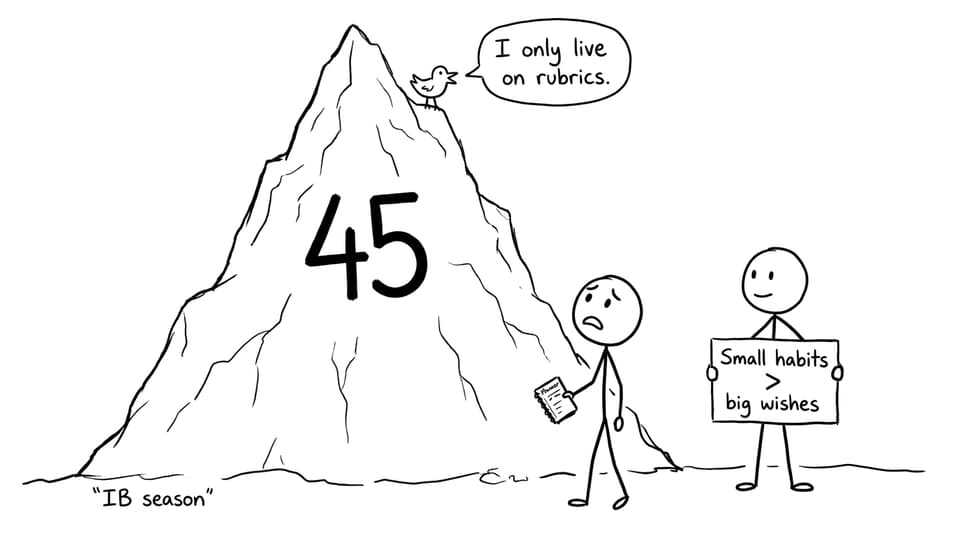
Yes. It happens. But it’s rare enough that most students will never meet someone who did it in their graduating year. The useful question isn’t “Is it possible?” It’s “What does a 45 really demand, and what can I control?”
Quick reality check: what a 45 in the IB means
Here’s the scoreboard logic of the IB Diploma:
-
6 subjects x 7 points = 42
-
TOK + Extended Essay = up to 3 bonus points
-
Total maximum = 45
To land a 45, you typically need:
-
7s in all six subjects (HL and SL)
-
All 3 core points (often an A in TOK and an A in the EE)
-
CAS completed (CAS doesn’t add points, but it’s required)
There’s almost no margin for error. One “almost” answer in one paper can be the difference.
How rare is a perfect IB score?
A 45 is achievable, but extremely uncommon. In most years, fewer than 1% of diploma candidates reach 45 worldwide. Put differently: in a large cohort of strong students, you can still have zero perfect scores.
This matters because it reframes the goal. In the IB, chasing a 45 is often less about winning a lottery and more about building a system that makes 40+ realistic.
Who actually gets a 45 in the IB?
Perfect scorers don’t look like movie geniuses. They tend to be methodical.
Common patterns:
-
They study with feedback loops, not just effort
-
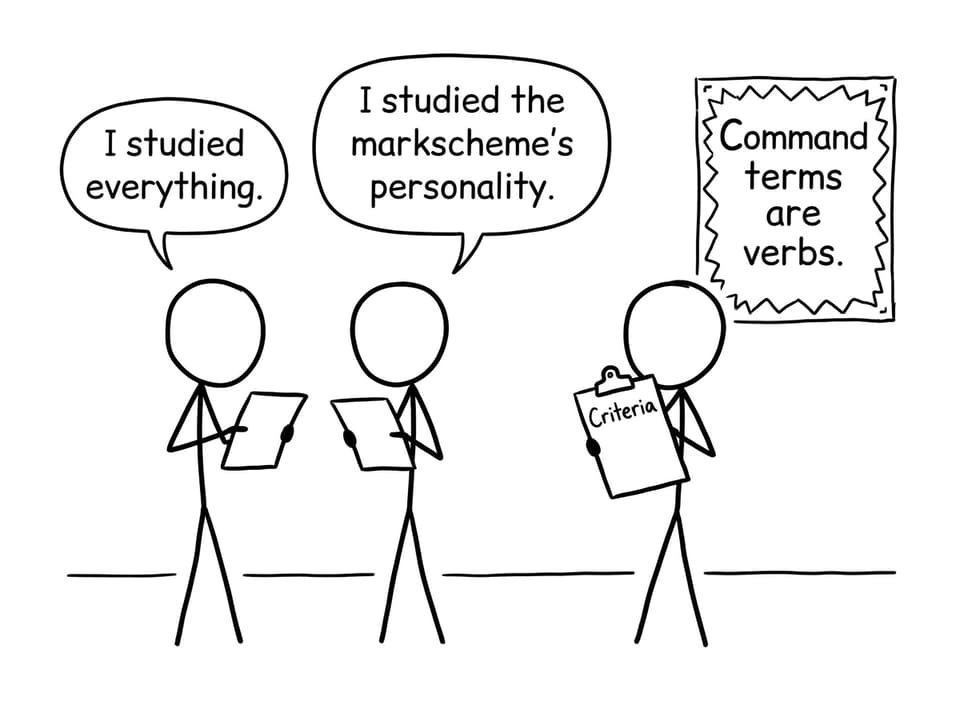
They treat marking criteria like a map
-
They train exam performance under time pressure
-
They protect coursework quality early (so finals aren’t a desperate rescue mission)
If you want to see what “criteria-first” prep looks like in practice, start with RevisionDojo’s overview hub: RevisionDojo for IB.
The smartest way to aim for a 45 (without burning out)
Learn the marking logic early
In the IB, high scores often come from answering the question the way examiners reward, not the way students wish they rewarded. This is why targeted practice matters.
RevisionDojo’s IB Question Bank guide explains what to look for in practice and how to turn mistakes into upgrades.
Treat TOK and EE like score multipliers
Those 3 bonus points are small on paper and huge in reality. If you’re aiming high in the IB, TOK and EE aren’t “extras”; they’re leverage.
Useful places to start:
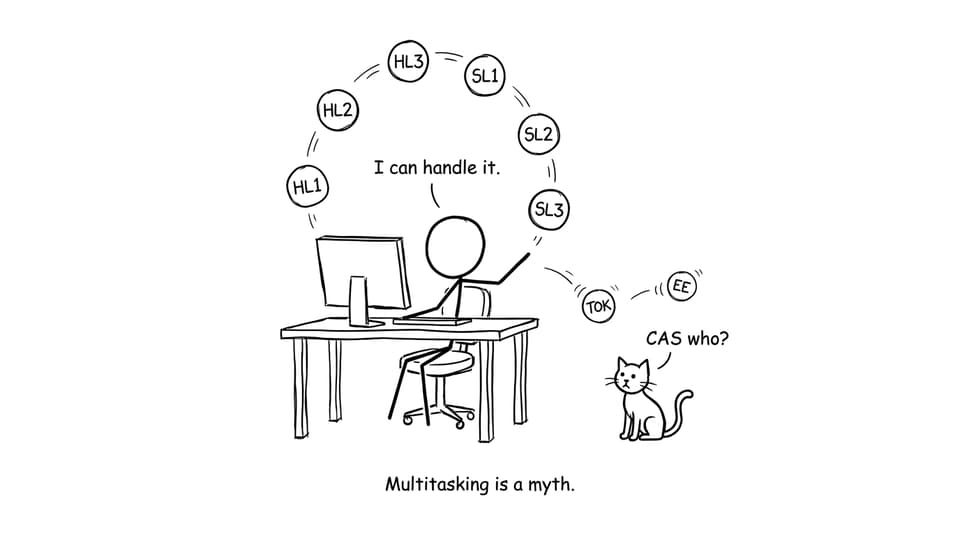
Build an exam system, not a motivation speech
The calmest high scorers usually do the same boring things repeatedly:
-
Daily recall (Flashcards)
-
Targeted weaknesses (Questionbank)
-
Fast doubt-clearing (AI Chat)
-
Realistic rehearsal (Mock Exams and Predicted Papers)
-
Rubric-based improvement (Grading tools)
That “one place” workflow is basically the point of the RevisionDojo app for IB exam prep.
The truth behind the perfect score
A 45 in the IB is real. It’s also unforgiving. But the bigger truth is this: perfection is not the only prize.
Build a repeatable system: Study Notes for clarity, Flashcards for recall, Questionbank for precision, AI Chat for speed, and Mock Exams plus Predicted Papers for realism; and you give yourself the one thing the IB always rewards: consistent execution.
If you’re ready to study like a top scorer, start here: RevisionDojo for IB.