Join 650k+ students breezing through the IBReady to breeze through the IB?
Is a 45 in the IB actually possible?
The honest answer: yes, a 45 in the IB is possible. The more useful answer: it is possible in the same way it is possible to run a marathon in under three hours. The rules allow it, and people do it, but your outcome depends less on motivation and more on systems you can repeat on tired days.
Most IB students don’t fail because they “didn’t want it enough.” They fail because they treated the Diploma like a willpower contest. A 45 is not a willpower result. It’s a logistics result: knowing what scores points, training those exact skills, and protecting your brain from the kind of fatigue that turns easy marks into silly losses.
And if you’re not aiming for 45? This reality check still helps. Understanding what a perfect IB score requires tends to raise every other score too.
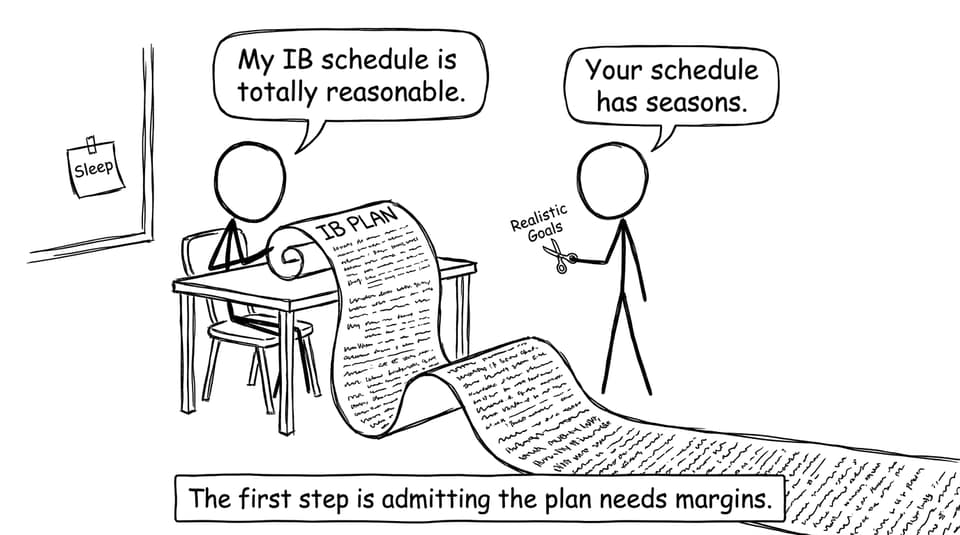
A student’s absurdly long IB plan scroll
What a 45 in the IB means (and why there’s no margin)
A 45 is the maximum score in the IB Diploma Programme.
The point breakdown
42 points from six subjects (each subject is graded 1 to 7)
3 bonus points from combined
min read
min read
min read
min read
TOK + Extended Essay (EE)
That’s why a 45 feels unforgiving: you are basically trying to stack six near-perfect subject outcomes and then also hit the top core combination. One small slip in a subject, an Internal Assessment, or your TOK/EE combo can take you off the perfect total.
If you want to sanity-check where you are now, use the IB Grade Calculator to translate your practice performance into a realistic target.
How rare is a 45 in the IB?
A 45 is extremely rare. Roughly 1-2% of IB candidates globally reach it in a typical session. That rarity matters because it reframes the goal: you are not trying to be “good at school.” You are trying to remove almost all unforced errors while building exam skill across many different assessment types.
It’s also worth saying clearly: 45 scorers do not come from one kind of school. Strong support helps, but perfect scores appear across countries, school types, and backgrounds.
The myths that quietly sabotage IB students
“You need to be a genius”
Most high scorers describe something less dramatic: they became predictable. They studied in ways that produced feedback, and they fixed what the feedback showed.
“You just need to study more hours”
More hours can help, until they don’t. In IB, the limiting factor is often not time but quality of practice: are you training the skill the examiner marks?
“It’s mostly luck”
Luck exists (health, exam-day nerves, topic mix). But a 45 is usually the result of controlling what you can control: consistency, technique, and recovery.
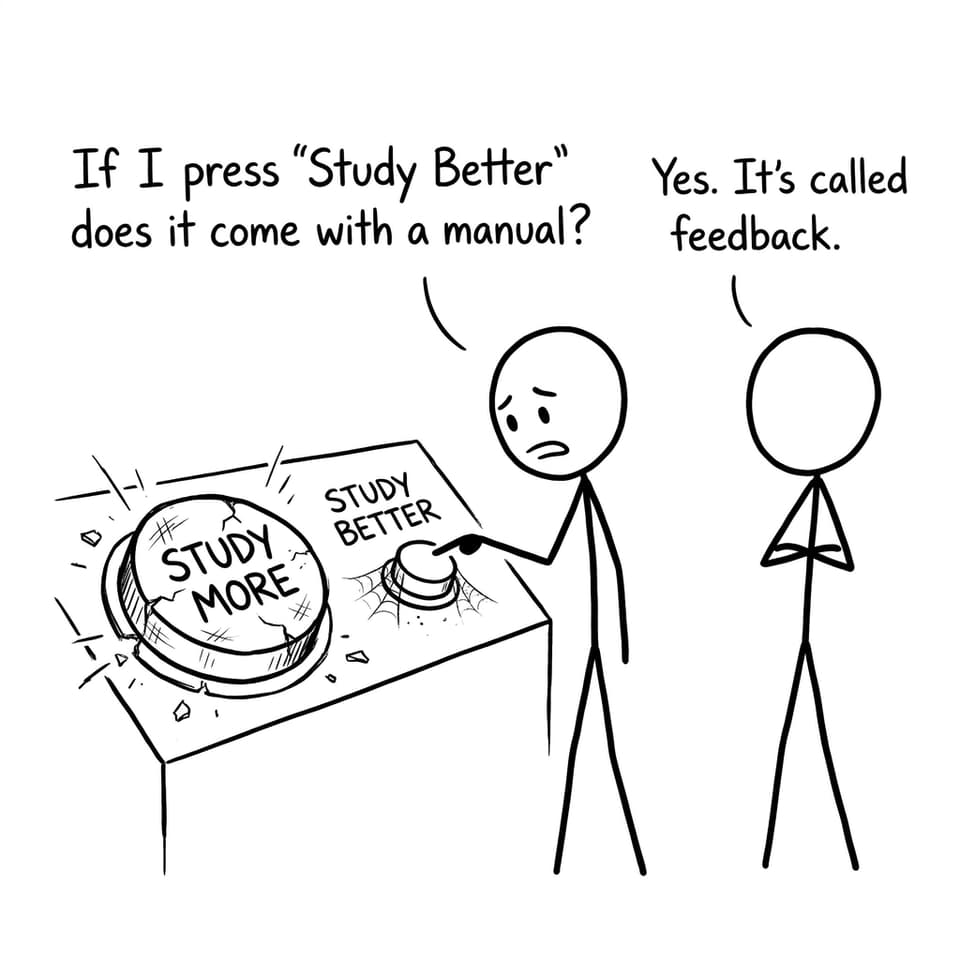
Two buttons: Study More vs Study Better
The real challenges between you and a 45 in the IB
Every mark is a negotiation
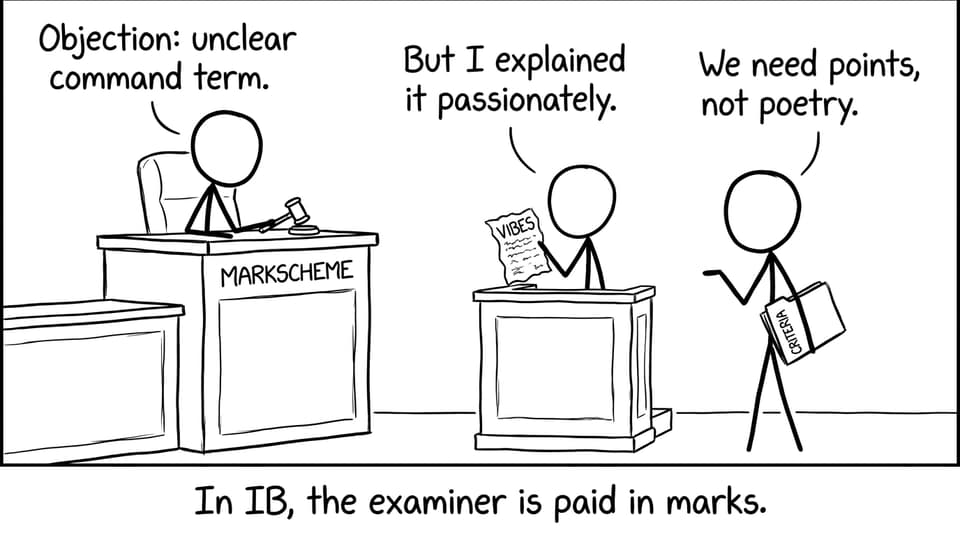
In the IB, a single weak explanation or missing keyword can be the difference between a 7 and a 6. That’s why top students treat assessment criteria like a map, not like background noise.
Yes, a 45 in the IB is possible. But it’s not a personality test, and it’s not a last-minute glow-up. It’s the result of boring consistency: clear priorities, heavy feedback, and calm repetition.
If you want a plan you can actually follow, start inside RevisionDojo: build your daily recall with Flashcards, convert knowledge into marks with the Questionbank, rehearse pressure with Predicted Papers and Mock Exams, and use AI Chat and Grading tools to turn mistakes into upgrades. The goal isn’t to feel confident. The goal is to become prepared enough that confidence is optional.