
Is IB worth it for medicine or law?
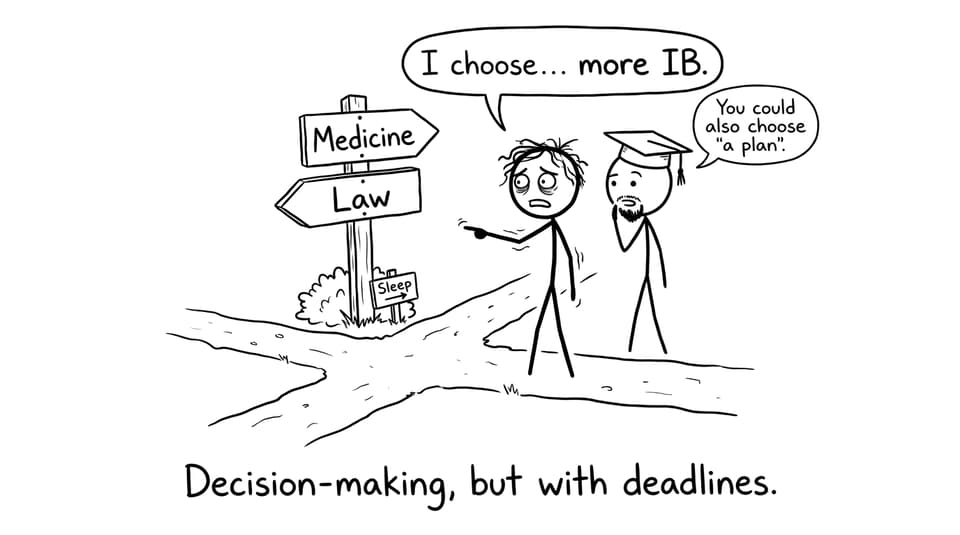
On some evenings, the IB feels less like a diploma and more like a personality test. You open your laptop to revise, and suddenly you’re also juggling TOK reflections, an EE draft, and the quiet fear that everyone else has already decided on medicine or law.
So is IB worth it for medicine or law? For most students aiming at competitive pathways, yes, but not because IB is “hard.” It’s worth it because IB trains the exact habits these fields demand: structured thinking, ethical reasoning, evidence-based argument, and calm performance under pressure.
A quick IB checklist for medicine or law
If you want the short answer, use this:
-
Use IB Core (TOK + EE) to prove you can think, not just memorize
-
Build an application narrative from research, reflection, and perspective
-
Choose HLs strategically (especially for medicine)
-
Prepare for exams with consistent practice (not last-minute panic)
-
Turn your weaknesses into a system using RevisionDojo tools
For exam structure and planning, keep this nearby: What’s the Best Way to Revise for IB Exams?
Why IB aligns with medicine and law
Medicine and law both punish shallow certainty. A doctor who can’t weigh evidence harms patients. A lawyer who can’t test assumptions harms clients. The IB keeps forcing you into that deeper gear.
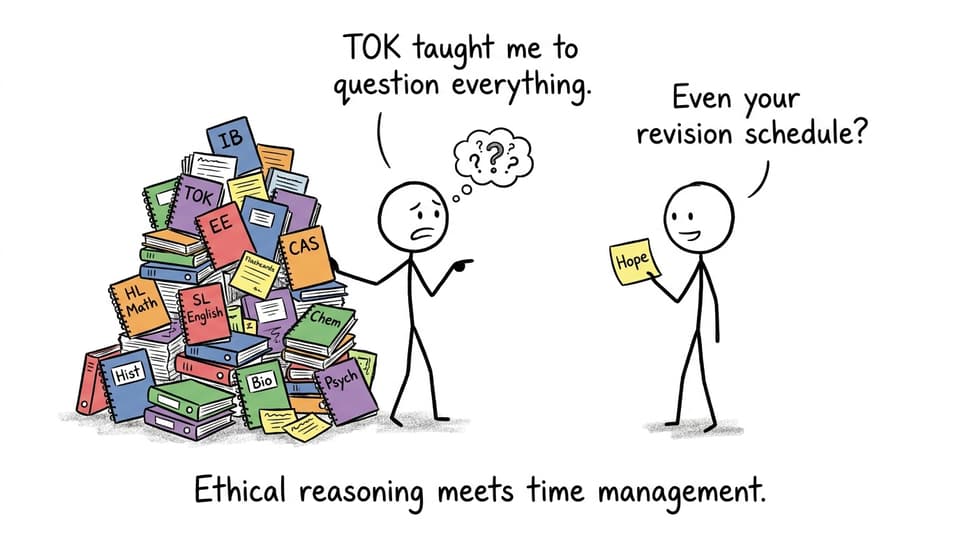
TOK pushes you to ask: What counts as evidence? Who decides? What are the limits of certainty? That’s not abstract. It’s the mindset behind diagnosing responsibly or building a legal argument that survives cross-examination.
If TOK feels messy, structure helps: Structuring for Success in IB TOK Essays and How to Write a Good TOK Essay (10-Step Guide).
The EE: your quiet proof of independence
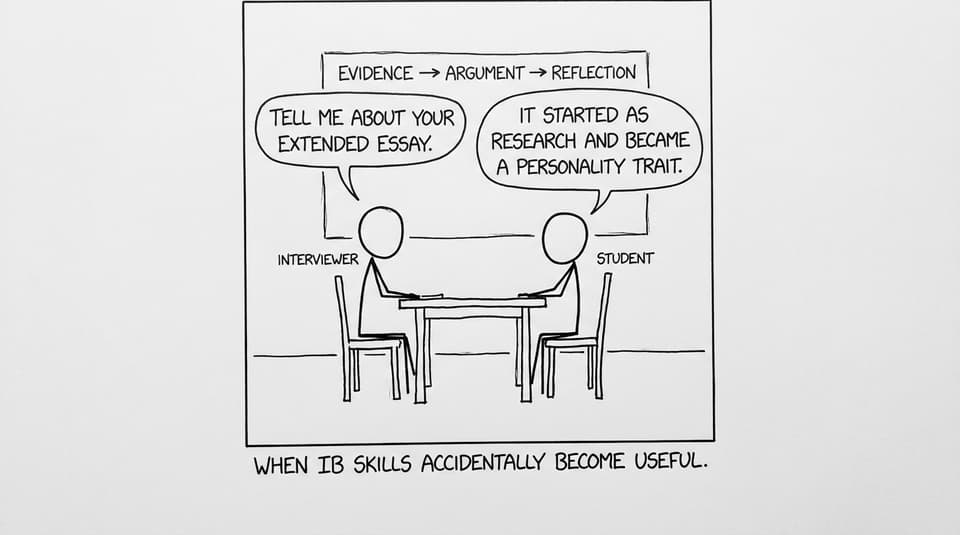
The Extended Essay is 4,000 words of you steering the ship. That matters. In medicine, it signals you can sustain research and handle uncertainty. In law, it shows you can build a coherent case over many pages without losing the thread.
A smart move is to connect your EE thinking to TOK, so your writing becomes more evaluative and less descriptive. Start here: How to Use TOK to Enhance Your Extended Essay and then go deeper with How to Incorporate TOK Ideas into Your EE. For topic and criteria guidance: IB Extended Essay Guides.
Subject choices: what matters most
Universities vary, but the general pattern is simple:
-
Medicine: HL Biology or HL Chemistry (often both is ideal if your school allows). Strong Maths helps too.
-
Law: no single required subject in many systems, but subjects that sharpen reading, argument, and writing (English, History, Global Politics) are helpful.
Whatever you choose, your IB scores still come from exam performance. That’s where students lose time: they over-invest in “pretty notes” and under-invest in practice.
RevisionDojo is built for the practice loop: Questionbank for targeted drilling, RevisionDojo App: The Smarter Way to Prep for IB Exams for an end-to-end workflow, plus Flashcards, Study Notes, AI Chat, Grading tools, Predicted Papers, Mock Exams, the Coursework Library, and Tutors when you need human-level clarity.
Conclusion: make IB worth it by using it well
The IB is worth it for medicine or law when you treat it as training, not just schooling. TOK and the EE can become your proof of ethical reasoning and independent research. Your exams become your proof of discipline.
If you want a system that makes IB feel less chaotic, RevisionDojo pulls everything into one loop: Study Notes and Flashcards for daily recall, Questionbank for exam practice, AI Chat and Grading tools for feedback, Predicted Papers and Mock Exams for realism, and the Coursework Library plus Tutors when you want examples and expert support. Build that loop now, and the IB stops being a storm you endure, and becomes leverage you can use.