
If you ask ten students which course is “harder,” you’ll get ten different answers--and one long sigh. But when you’re choosing between IB Chemistry HL and AP Chemistry (or trying to understand what you’re up against), “challenging” isn’t a vibe. It’s a mix of depth, pacing, assessment design, and how much independent work you’re expected to carry.
This guide breaks the comparison down in plain terms, with a focus on what matters most for IB students preparing for exams.
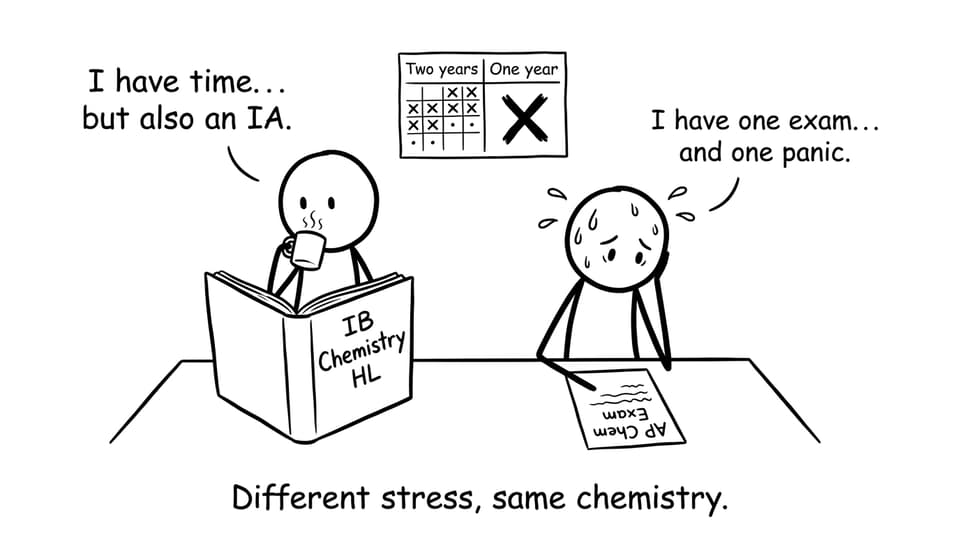
Quick comparison checklist (IB vs AP)
-
Timeline: IB Chemistry HL is typically two years; AP Chemistry is usually one.
-
Coursework: IB includes an Internal Assessment (IA) with independent experimental design and formal analysis.
-
Assessment: IB spreads grading across multiple exam papers plus internal work; AP leans heavily on one final exam.
-
Skill profile: IB rewards lab write-ups, data handling, and structured explanations; AP prioritizes fast, exam-focused execution.
If you’re revising for IB Chemistry HL right now, start from the official hub and build outward: IB Chemistry Resources.
What makes IB Chemistry HL challenging?
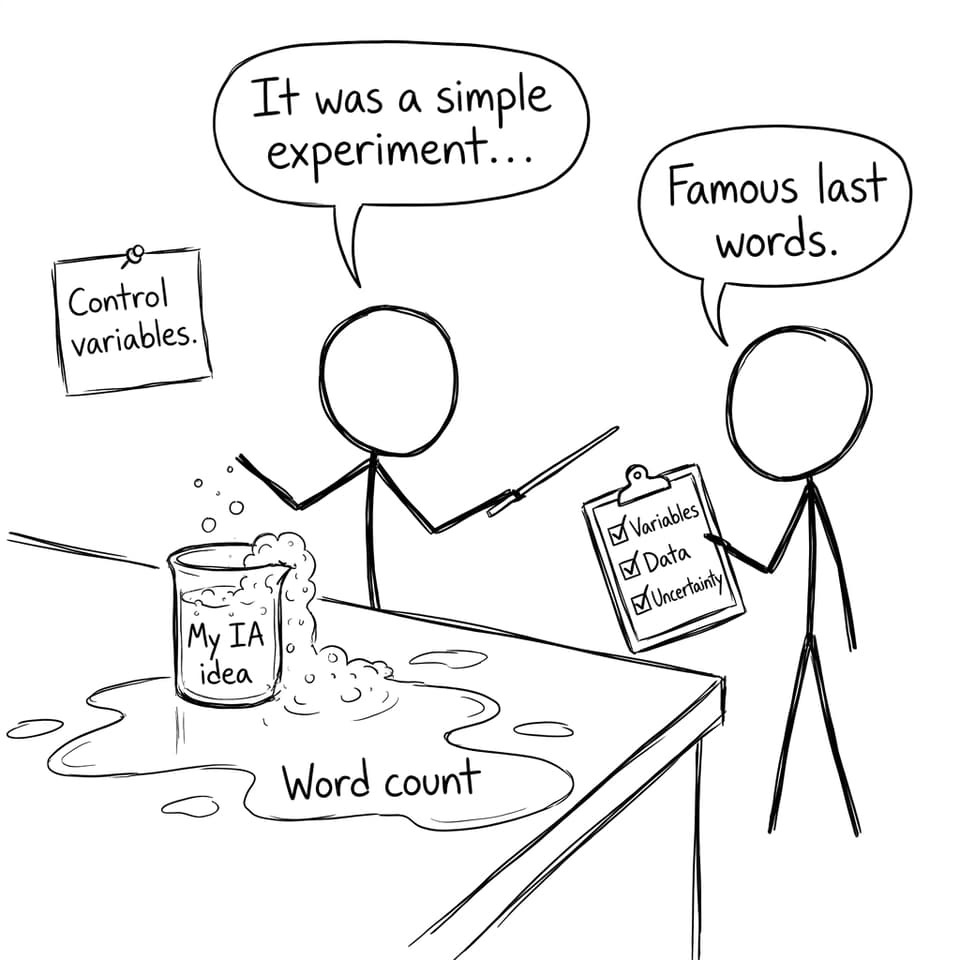
IB Chemistry HL is demanding because it asks you to be two students at once: a content learner and a mini researcher.
The content is conceptually deep, yes--bonding, energetics, kinetics, equilibrium, and organic chemistry can get intense. But the bigger pressure often comes from how you’re assessed. You’re expected to communicate scientific reasoning clearly, interpret unfamiliar data, and show method, not just answers.
That’s why IB students often improve fastest when revision is structured around exam-style practice. A good rhythm is: learn the idea, apply it immediately, then reflect on errors. RevisionDojo supports that loop with Study Notes, Flashcards, and a targeted Questionbank: Questionbank.
Need fast refreshers before you practise? Use IB Chemistry Data Booklet - Formula Reference alongside question practice to reduce “memory tax” under time pressure.
What makes AP Chemistry challenging?
AP Chemistry can feel brutal for a different reason: pace.
Most students take AP Chemistry over a single school year, so the course can feel like sprint training. You cover a lot quickly, then the exam becomes the main event. That structure rewards students who are comfortable with high-volume revision and timed performance.
In comparison, IB often feels like marathon training with checkpoints: multiple papers, multiple skills, and the IA sitting in the background like a second subject.
So which is more challenging: IB Chemistry HL or AP Chemistry?
For most students, IB Chemistry HL tends to be more demanding overall because the challenge is distributed:
-
Depth plus duration: Two years means more opportunities to go deep--and more time for weak topics to linger.
-
Lab independence: The IA requires decisions, justification, uncertainty work, and clear scientific writing.
-
Multiple assessment formats: You’re preparing for different paper styles, not one single endpoint.
AP Chemistry is still extremely challenging, but the stress is often concentrated in one high-stakes exam window.
A useful way to decide is to ask: do you struggle more with long-term workload management (more IB-like) or with compressed exam pacing (more AP-like)?
How to revise smarter for IB Chemistry HL (even if you’re comparing to AP)
If you’re an IB student, your biggest advantage is that you can train skills, not just memory.
-
Build topic mastery with targeted hubs like IB Chemistry Organic Chemistry and IB Chemistry Structure 2. Models of Bonding and Structure.
-
Use exam-style guidance to avoid “I understood it in class” traps: IB Chemistry Paper 1B Preparation: Tips and Tricks.
-
When you’re ready to simulate the real thing, run timed sets using IB Chemistry Predicted Papers - RevisionDojo and the broader IB Predicted Papers by IB Examiners (Free).
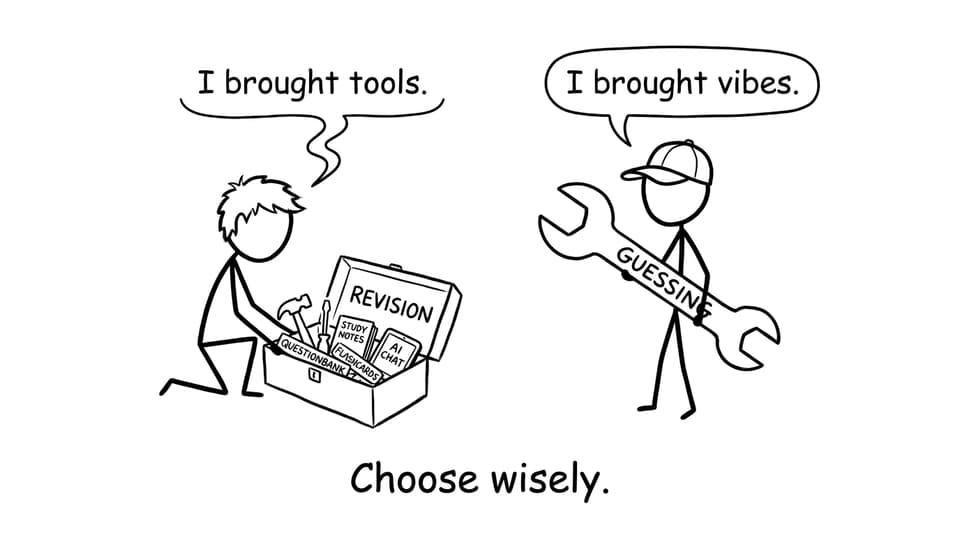
RevisionDojo also adds leverage with AI Chat for instant explanations, Grading tools for feedback loops, Mock Exams to build stamina, a Coursework Library for IA examples, and Tutors when you need a human to spot what you keep missing.
Final takeaway: choose the challenge you can train
AP Chemistry can be a sprint. IB Chemistry HL is usually a longer, more skill-heavy climb. If you’re already in IB, your best move isn’t comparing difficulty--it’s building a system that makes the workload feel controllable.
Start your next study session with one focused topic, a short set of exam-style questions, and fast feedback on what to fix. That’s exactly what RevisionDojo is built for: Questionbank, Study Notes, Flashcards, AI Chat, Predicted Papers, Mock Exams, coursework support, and expert Tutors when you want a push. When IB feels like a lot, structure is what turns it into progress.
