

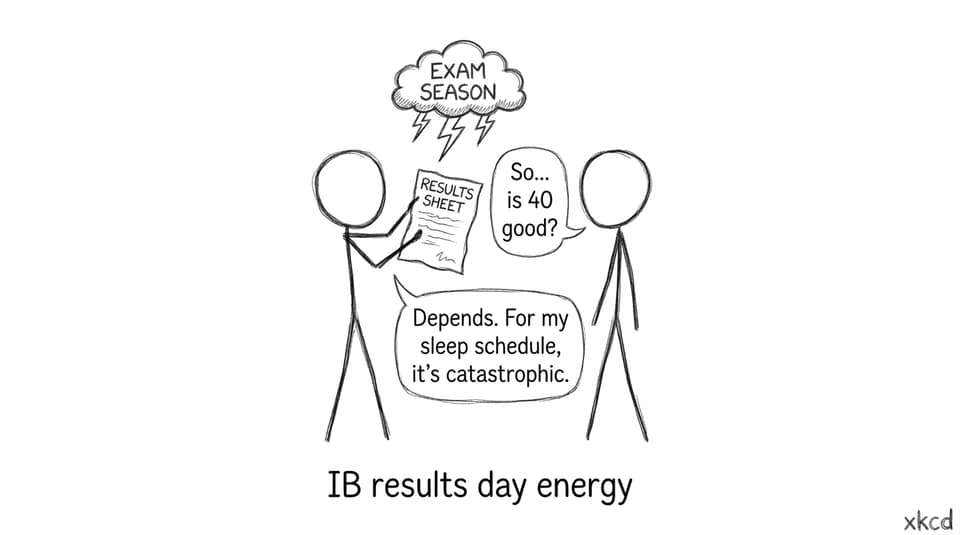
Is getting an IB 40 actually “good”--or just loud?
On results day, an IB score can feel like it changes the temperature in the room. One number, one refresh, and suddenly you’re either “fine” or “behind.” But an IB 40 isn’t just “good.” It’s the kind of score that tells a story: consistency across six subjects, steady control under pressure, and enough strength in the core to collect bonus points.
Quick overview: what an IB 40 means
An IB Diploma is out of 45 points (42 from subjects, up to 3 from TOK + EE). In most sessions, the global average sits a little above 30, which means 40 is well above typical performance.
Use this simple checklist:
-
You’re likely in a small top slice of IB candidates globally (often cited around the top 5–10%).
-
You didn’t “spike” one subject--you sustained performance.
-
Universities read it as readiness for heavy reading, fast feedback loops, and independent work.
If you want context beyond vibes, check What Is a Good Score in the IB Diploma?.
How an IB 40 compares globally (and why it’s rare)
A 40 is hard because the IB is designed to spread students across a wide range. That’s why most scores cluster between the mid-20s and mid-30s, even among students who work seriously.
It also explains a common illusion: if your school is selective, a 40 can look “normal” inside your bubble. Globally, it isn’t. For the deeper reality check, read How Many Students Actually Score 40+ Points in the IB?.
How universities interpret an IB 40
Universities don’t see an IB 40 as magic. They see it as signal.
United States
Admissions are holistic, but a 40 usually communicates strong academic preparation. It can also support credit or advanced standing policies when Higher Level scores are high (policy depends on the institution).
United Kingdom
Many competitive courses at Russell Group universities, and especially the most selective programmes, often list offers in the high 30s to low 40s. A 40 can meet or exceed requirements--but subject-specific Higher Level requirements still matter.
Canada, Australia, and Europe
A 40 is typically strong for selective entry and may unlock first-year exemptions or advanced placement in some systems.
If you’re planning your next steps, it helps to pair the score with your exam data. Use IB Grade Boundaries to keep your expectations grounded in how marks translate to grades.
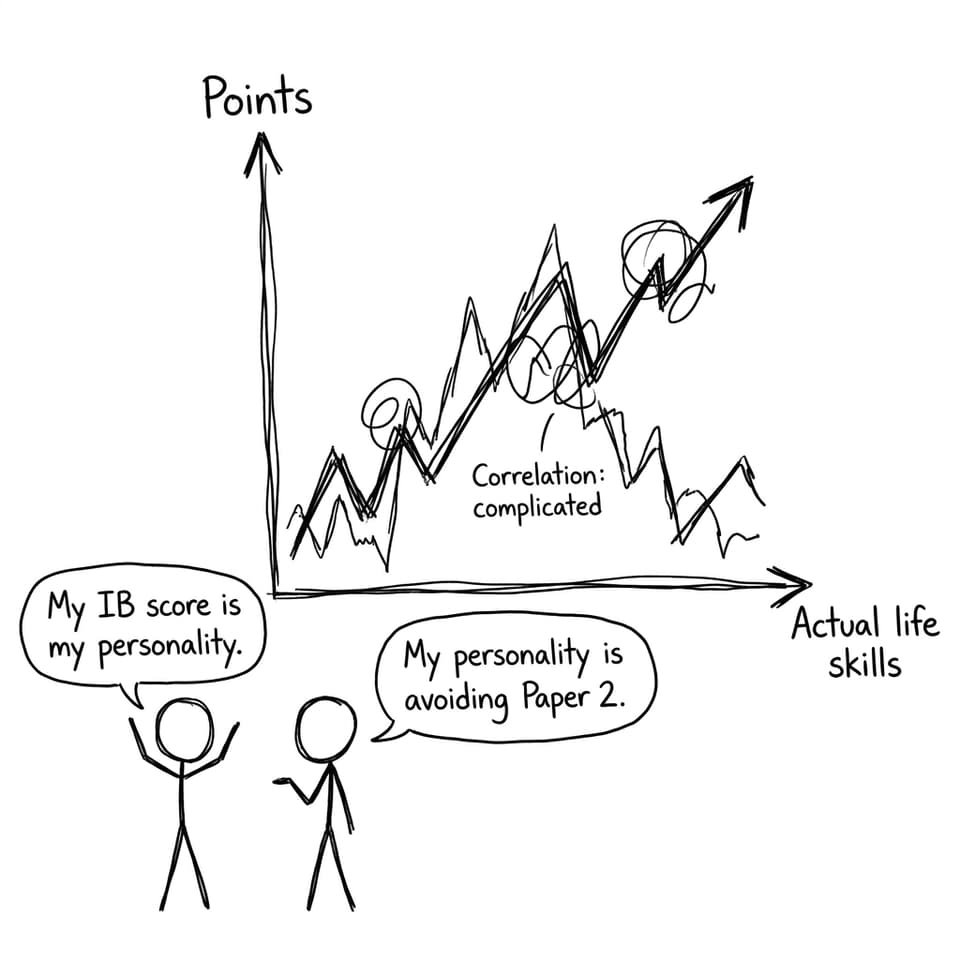
What an IB 40 says about your skills (beyond the number)
A high IB total often reflects skills universities actually care about:
-
Writing and research stamina (EE and TOK)
-
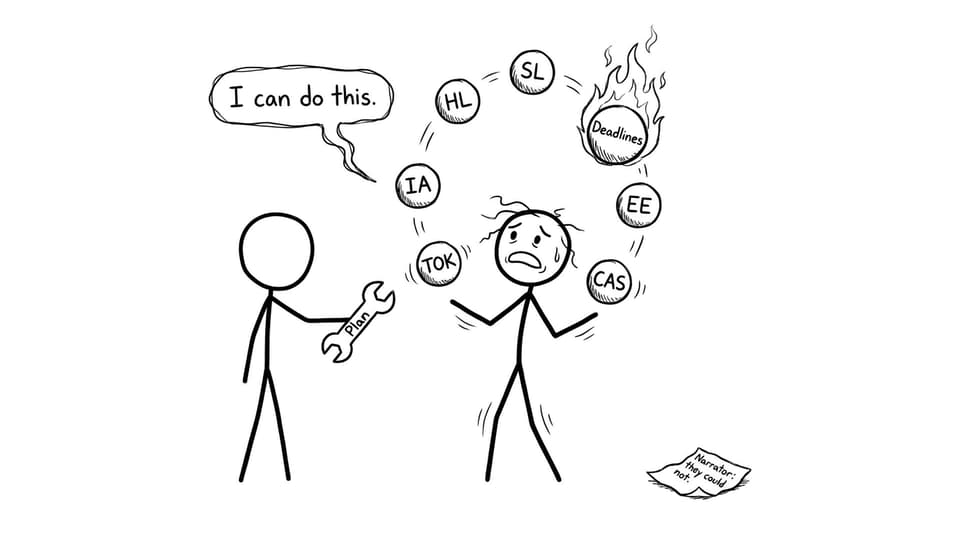
Deadline management across overlapping tasks
-
Learning under imperfect conditions
-
Recovering after mistakes, not avoiding them
That last one is trainable. RevisionDojo’s loop is built for it: Study Notes for clarity, Flashcards for recall, a Questionbank for exam-style repetition, AI Chat when you’re stuck, Grading tools for rubric-based feedback, plus Predicted Papers and Mock Exams to practice performance, not just content.
Start with RevisionDojo App: The Smarter Way to Prep for IB Exams and then build confidence with IB Predicted Papers and the IB Coursework Grader.
Final thought: use your IB 40 as proof, not pressure
An IB 40 is an excellent score. But the real value is what it proves: you can run a system, sustain effort, and show up when it counts.
If you’re chasing that score (or protecting it), build a routine you can repeat: tighten concepts with RevisionDojo Study Notes, lock memory with Flashcards, drill weaknesses in the Questionbank, get unstuck with AI Chat, polish written work with Grading tools and the Coursework Library, and rehearse under time with Predicted Papers and Mock Exams. That’s how an IB number turns into a future you can trust.