
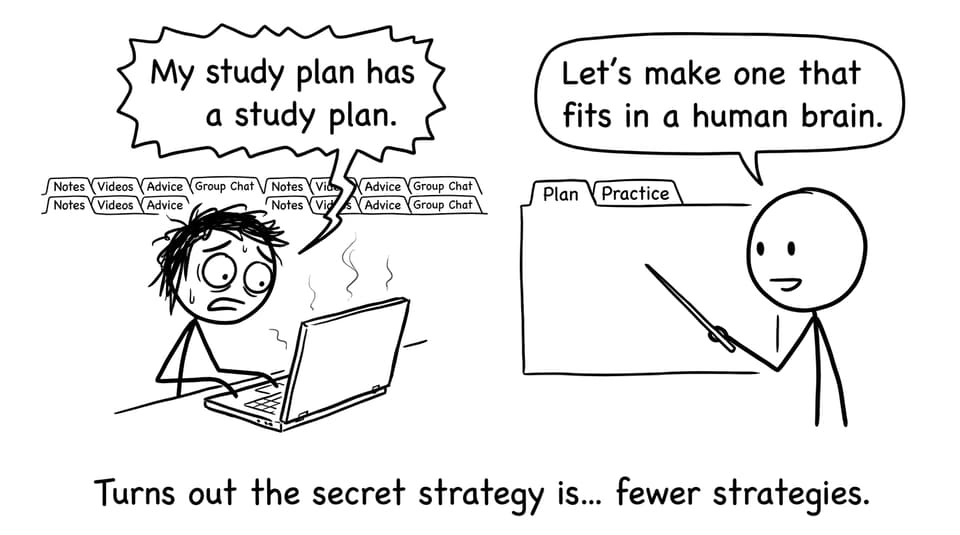
A week before mocks, one student told us something honest: they weren’t failing the IB because they were lazy. They were failing because every study session started with a negotiation. What should I do first? What matters most? Am I even revising the right way?
That’s the quiet problem behind so many IB grades. Not effort. Not intelligence. Friction.
The best tutoring success stories aren’t miracle tales. They’re stories about removing friction until good work becomes repeatable. And when that happens, the IB starts to feel less like a storm and more like a schedule.
A quick IB success checklist (what winners actually repeat)
Before the stories, here’s what most real IB improvement looks like in practice:
-
Diagnose one weak area (not the whole subject)
-
Learn the concept quickly with clear notes
-
Drill it using exam-style questions
-
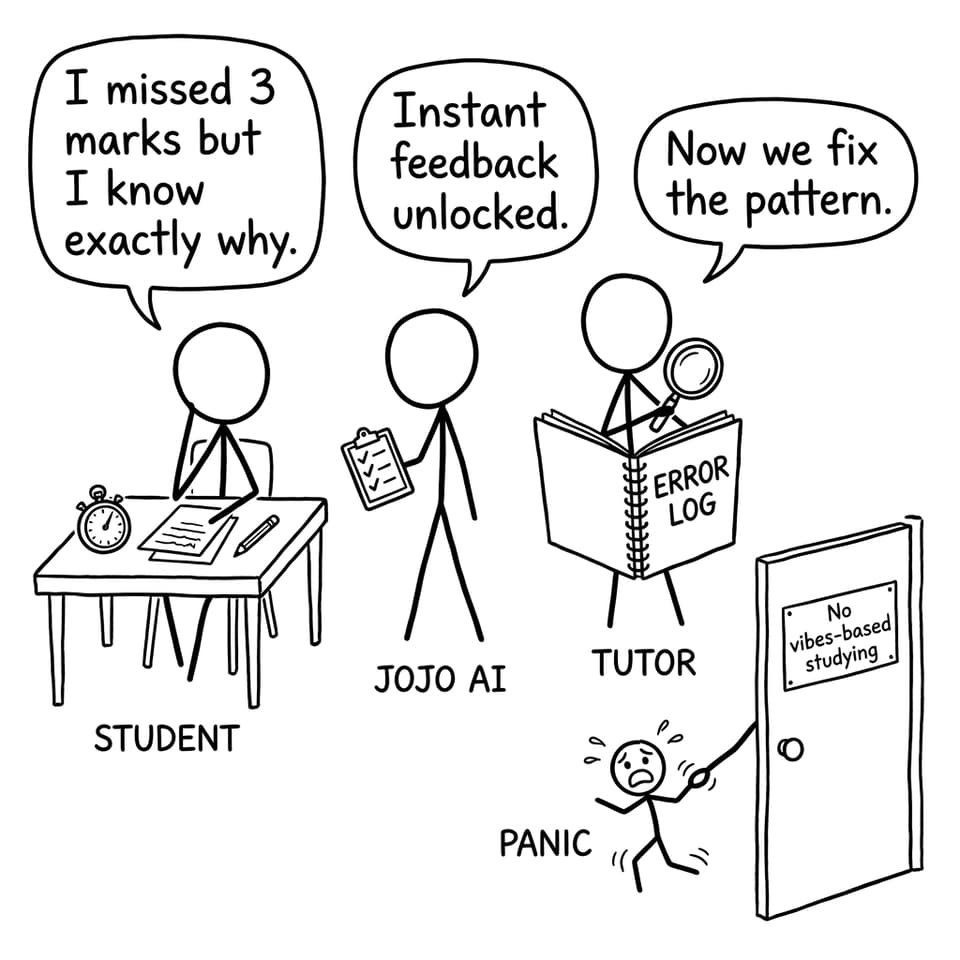
Get feedback immediately (human or AI)
-
Log the mistake pattern
-
Retest within 48--72 hours
This is exactly why students combine tutoring with an all-in-one IB workflow like RevisionDojo: Study Notes, Flashcards, Questionbank, AI Chat, Grading tools, Predicted Papers, Mock Exams, a Coursework Library, and Tutors in one place.
If you want the platform overview first, start here: RevisionDojo app for IB exam prep.
IB tutoring success story: “From 4 to 7” is usually a system, not a secret
One of the most common IB jumps students report is moving from a 4--5 range into consistent 6s and 7s. In the stories we see, the change rarely comes from learning more content. It comes from learning the right content, in the right order, with the right feedback.
A typical pattern looks like this:
-
Week 1: Tutor identifies the scoring bottleneck (command terms, structure, timing, or one core topic).
-
Weeks 2--3: Student practices that bottleneck daily with short sets.
-
Week 4: Timed practice becomes less scary because it’s no longer unfamiliar.
Students who improved fastest did two things between sessions:
-
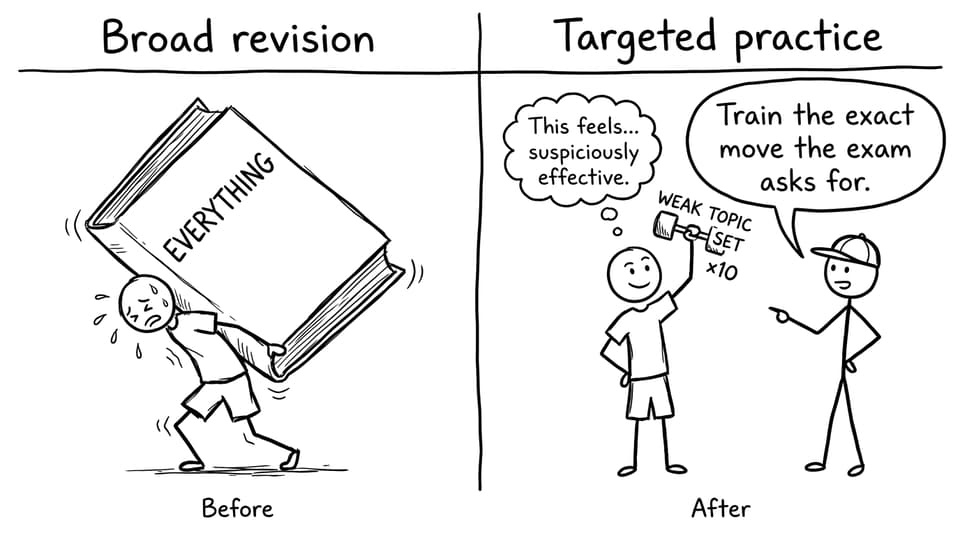
Ran targeted practice in the RevisionDojo Questionbank instead of “general revision.”
-
Used quick explanations from AI Chat to avoid losing momentum mid-session.
For a broader resource map, this guide is helpful: Best resources for IB exam preparation.
IB tutoring success story: tutoring + AI feedback beats “long sessions”
Another real theme: short tutoring sessions paired with daily feedback loops outperform long, unfocused marathons.
Tutors are great at:
-
spotting the one misconception causing ten mistakes
-
showing mark-earning structure (especially in essay subjects)
-
building accountability
AI tools are great at:
-
instant correction
-
unlimited repetition
-
fast re-testing on exactly what went wrong
That pairing is the quiet advantage. After a tutoring session, students can immediately train the exact skill using RevisionDojo’s Flashcards for recall, Questionbank for application, and Grading tools for writing and coursework feedback.
If you’re building your routine for exams, these guides fit well with tutoring:
IB tutoring success story: flexible schedules still produce real results
A common fear is that tutoring only works if you can commit to a perfect weekly timetable. But many IB students succeed with “messy consistency” instead: two shorter sessions in a good week, one session in a busy week, and strong routines in between.
That’s why RevisionDojo emphasizes flexible tutoring structures, then supports the days between sessions with an IB system you can run solo.
If you need help making tutoring fit around your life, read: Flexible IB tutoring schedules.
And if you’re choosing support, this helps you avoid expensive mistakes: How to choose the best IB tutor.
The pattern behind most IB success stories (and how to copy it)
Across subjects, the highest-return IB routine is surprisingly boring:
-
Target weakness (one topic, one skill)
-
Practice under constraints (time, markscheme expectations)
-
Get feedback fast (AI Chat, a tutor, or grading tools)
-
Retest soon
It’s also the reason many students prefer IB-only support: it stays aligned to IB assessment logic rather than generic “study hard” advice.
For endgame pressure, bookmark these:
FAQ
Do IB success stories mean you need tutoring to get a 7?
No, and the most honest IB success stories usually say that directly. Plenty of students reach top grades with disciplined self-study, strong teachers, and consistent practice. What tutoring reliably adds is speed: it helps you find the scoring bottleneck faster and stop wasting time on low-return activities. In the IB, time is often the real constraint, not ability. If you choose not to tutor, you can still copy the same loop using RevisionDojo’s Study Notes, Questionbank, Flashcards, and AI Chat. The core idea is the same: diagnose, practice, get feedback, and retest until the exam stops feeling unpredictable.
What makes IB tutoring actually work (instead of just feeling helpful)?
The difference is whether the tutoring connects to marks. Effective IB tutoring is markscheme-aware, paper-specific, and focused on repeatable skills like structure, timing, and common question types. It should produce a clear between-sessions plan, not just a “good chat.” That’s why pairing a tutor with targeted practice matters: you do a session, then immediately drill the same skill using a Questionbank and track mistakes. When you add fast feedback (from AI Chat or grading tools), you shorten the time between mistake and correction. Over weeks, that loop compounds into real score movement.
How should I use RevisionDojo between tutoring sessions for IB exams?
Treat the days between sessions as the real training block. Start by using Study Notes only to patch the specific gap your tutor identified, then stop before you fall into rereading. Next, do a short Questionbank set on that exact subtopic and review errors carefully. Convert repeated errors into Flashcards so your weakest facts and methods get daily recall. If you’re stuck, use AI Chat to clarify one confusion immediately rather than losing the whole session. Finally, add timed practice weekly using Mock Exams or Predicted Papers so your skills survive under exam conditions.
Conclusion: your next IB success story can be engineered
The most reassuring thing about real IB tutoring success stories is how unromantic they are. The students who improve aren’t always the most confident. They’re the ones who build a loop they can repeat on tired days: targeted practice, fast feedback, and steady retesting.
If you want support that’s built specifically for the IB, start with RevisionDojo’s all-in-one toolkit (Questionbank, Study Notes, Flashcards, AI Chat, Grading tools, Predicted Papers, Mock Exams, Coursework Library, and Tutors), then make your plan small enough to run daily. Your results won’t be a surprise. They’ll be the outcome of the system you chose.
