
If you’ve ever left rehearsal feeling brilliant, then opened your marking criteria and felt… quietly humbled, you’re not alone. IB Theatre SL rewards artistry, yes, but it marks clarity: what you did, why you did it, what changed, and how you can prove it. That’s why grade boundaries matter. They turn the foggy question of “Am I doing well?” into something you can actually plan around.
Below is the complete IB Theatre SL grade boundary breakdown for 2025 (Timezone 0), plus a practical way to use these numbers without obsessing over them.
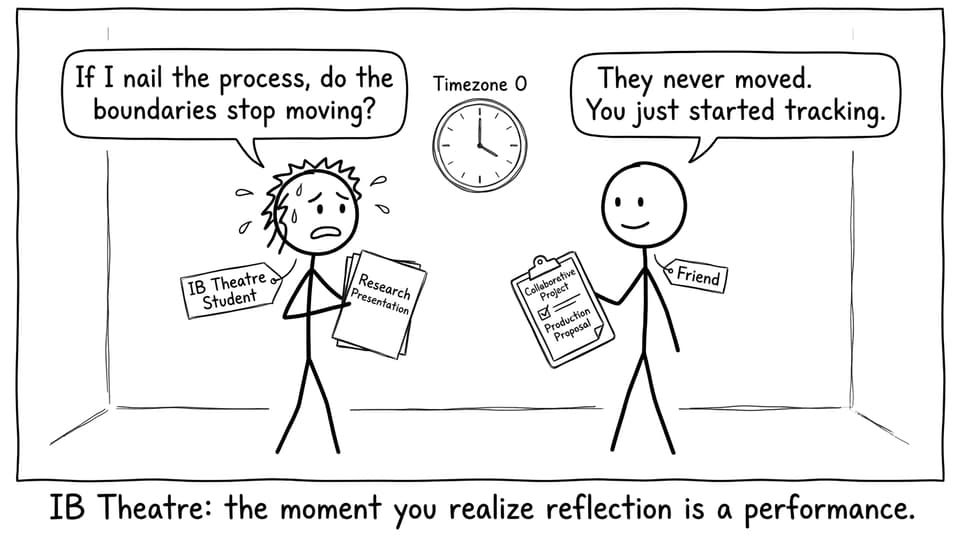
Quick checklist before you look at IB boundaries
-
Confirm you’re using the right session and Timezone 0 data.
-
For every task, track process evidence (tests, feedback, changes) weekly.
-
Translate “cool idea” into criteria language (intention, impact, justification).
-
Build one revision loop: draft, get feedback, refine, annotate with evidence.
-
Use a calculator to sanity-check your target totals across components.
Helpful hubs to bookmark: IB Grade Boundaries and the IB Theatre Grade Boundaries page.
IB Theatre SL Grade Boundaries 2025 (Timezone 0)
These are the IB Theatre SL 2025 TZ0 boundaries by component and the final total.
Collaborative Project grade boundaries (out of 24)
-
7: 21-24
-
6: 17-20
-
5: 12-16
-
4: 8-11
-
3: 5-7
-
2: 3-4
-
1: 0-2
Production Proposal grade boundaries (out of 20)
-
7: 18-20
-
6: 15-17
-
5: 13-14
-
4: 10-12
-
3: 6-9
-
2: 3-5
-
1: 0-2
Research Presentation grade boundaries (out of 24)
-
7: 20-24
-
6: 16-19
-
5: 12-15
-
4: 8-11
-
3: 5-7
-
2: 3-4
-
1: 0-2
Final IB Theatre SL grade boundaries (out of 100)
-
7: 84-100
-
6: 67-83
-
5: 51-66
-
4: 35-50
-
3: 20-34
-
2: 10-19
-
1: 0-9
Want to compare how Theatre shifts across sessions? Use RevisionDojo’s Theatre boundaries over time. For a wider context across subjects, see the IB Grade Boundaries 2025 Guide.
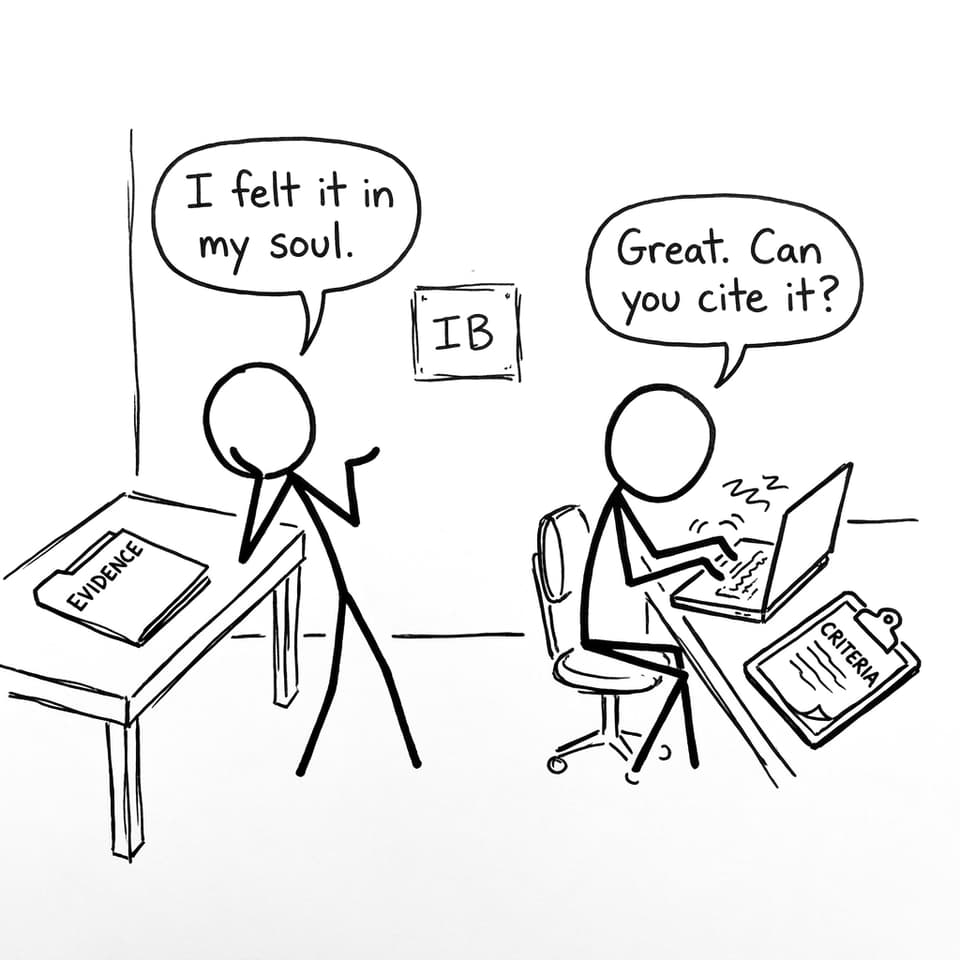
How to use IB grade boundaries without spiraling
The healthiest way to read IB boundaries is as a map, not a verdict.
Turn boundaries into a “next 3 marks” plan
If you’re sitting around a 5 boundary in a component, don’t aim vaguely for a 7. Aim for the next 3 marks. In Theatre, those marks usually come from precision:
-
Collaborative Project: show clear collaboration choices, but also show your individual learning. A short, specific rehearsal note beats a long summary.
-
Production Proposal: make the concept feasible. Examiners love ambitious ideas that are still staged in reality.
-
Research Presentation: reduce scope, increase depth. Two conventions explored with proof beats ten named in passing.
To build a routine that supports this, use Best Study Strategies for IB Theatre Students (SL & HL) and the IB Theatre Syllabus Overview.
Estimate your final grade in two minutes
Use the IB Grade Calculator to plug in your component marks and see what boundary band you’re currently in. This is especially useful when you’re deciding where your next hour should go.
FAQ: IB Theatre SL grade boundaries 2025 (TZ0)
Why are IB grade boundaries different for each component?
In IB Theatre SL, each component is testing a different kind of thinking, so the boundary ranges reflect that. The Collaborative Project is about collaborative process and how you articulate development. The Production Proposal assesses planning, research, and how coherent your theatrical vision is. The Research Presentation rewards synthesis: linking research to practical understanding and communicating it clearly. Because these skills vary in difficulty and performance patterns, boundaries can’t be identical across tasks. The important part is not “which boundary is highest,” but where you personally leak marks: unclear evidence, weak justification, or thin evaluation.
How is the final IB Theatre SL grade calculated from these boundaries?
Your IB Theatre SL result becomes a mark out of 100, then that total is matched to the final boundary table for 2025 TZ0. That’s why you can be strong in one component and still miss a top grade if another component drifts. In practice, students often underestimate how much consistent documentation matters across all tasks. Use boundaries to set a target band (for example, “low 6”) and then work backwards into component targets. A simple way is to run scenarios in the IB Grade Calculator and see what happens if one component improves by 2 marks. This helps you choose the highest-return revision task instead of guessing.
Which IB Theatre SL component is usually the hardest to score highly in?
Many students find the Collaborative Project and Research Presentation challenging because they combine making theatre with explaining theatre. In IB terms, it’s not enough to do the work; you must show how the work evolved and why your choices mattered. The Research Presentation can also punish “topic sprawl,” where you name lots of ideas but don’t develop any. The fix is simple but not easy: reduce your scope and write sharper reflections right after rehearsals or research sessions. If you want targeted guidance, see Revision Tips for the IB Theatre Research Presentation and How to Score a Level 7 in IB Theatre.
Closing: use IB boundaries as a calm strategy tool
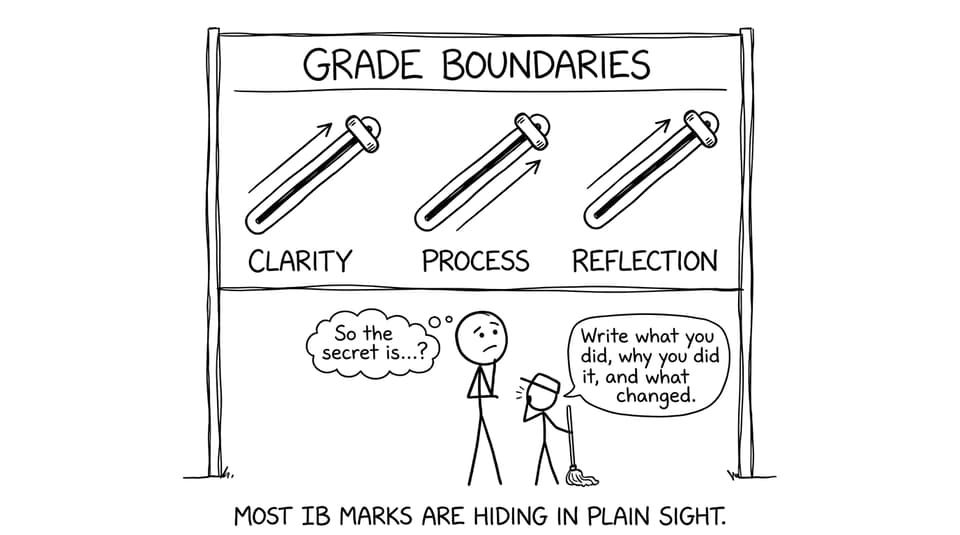
The best IB Theatre students aren’t the ones who “feel confident” every day. They’re the ones who keep collecting evidence, keep translating choices into criteria language, and keep improving one small mark-band at a time.
If you want that same edge, RevisionDojo is built for it: use the Questionbank to test terminology and concepts, Study Notes to tighten understanding, Flashcards to retain practitioner details, AI Chat to refine explanations, and Grading tools to spot where your writing loses marks. Add Predicted Papers, Mock Exams, the Coursework Library, and Tutors when you need structure and feedback.
Track the IB Theatre SL grade boundaries, target the next 3 marks, and let RevisionDojo keep your revision focused when the rehearsal room gets loud.