

IB Question Analytics: Track Your Question Performance
The most frustrating moment in IB revision isn’t getting a question wrong. It’s getting it wrong again two days later, in a slightly different outfit.
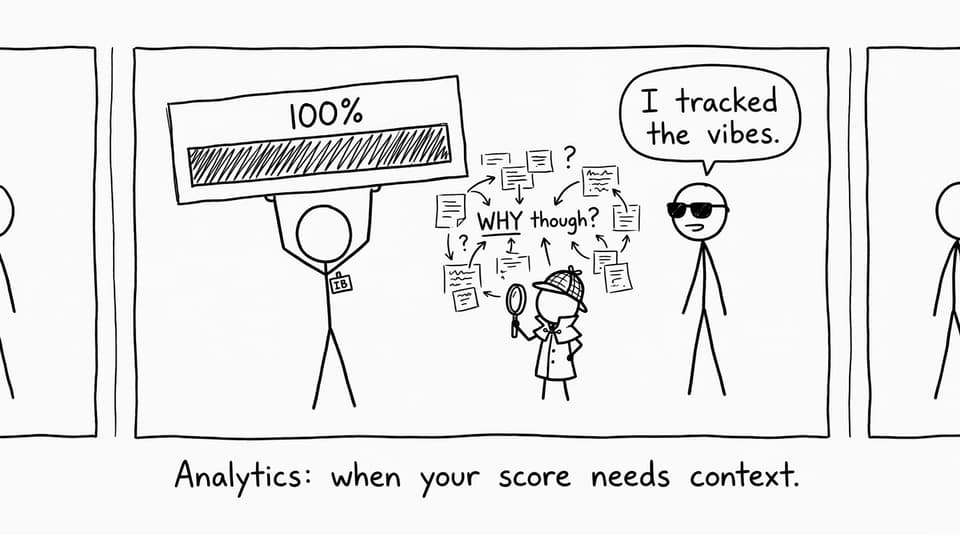
That loop happens when practice stays vague: you do questions, you check a score, you move on. IB question analytics breaks that cycle by showing how you’re losing marks: which topics leak points, where time disappears, and what mistake patterns keep repeating. Once you can see the pattern, you can finally stop negotiating with it.
If you’re practising on RevisionDojo, your data isn’t just a number. It becomes a plan.
Quick checklist: what to track in IB question practice
Use this after any IB Questionbank session or timed practice:
-
Accuracy by topic (not just overall %)
-
Timing per question (where you slow down or rush)
-
Mistake type (content gap vs technique vs careless)
-
Trends over time (is the weak area shrinking?)
-
Next action (notes, flashcards, targeted set, or a mock)
A platform like RevisionDojo’s Questionbank makes this easier because practice and feedback stay connected.
What IB question analytics reveals (that a score hides)
Timing patterns that quietly cap your grade
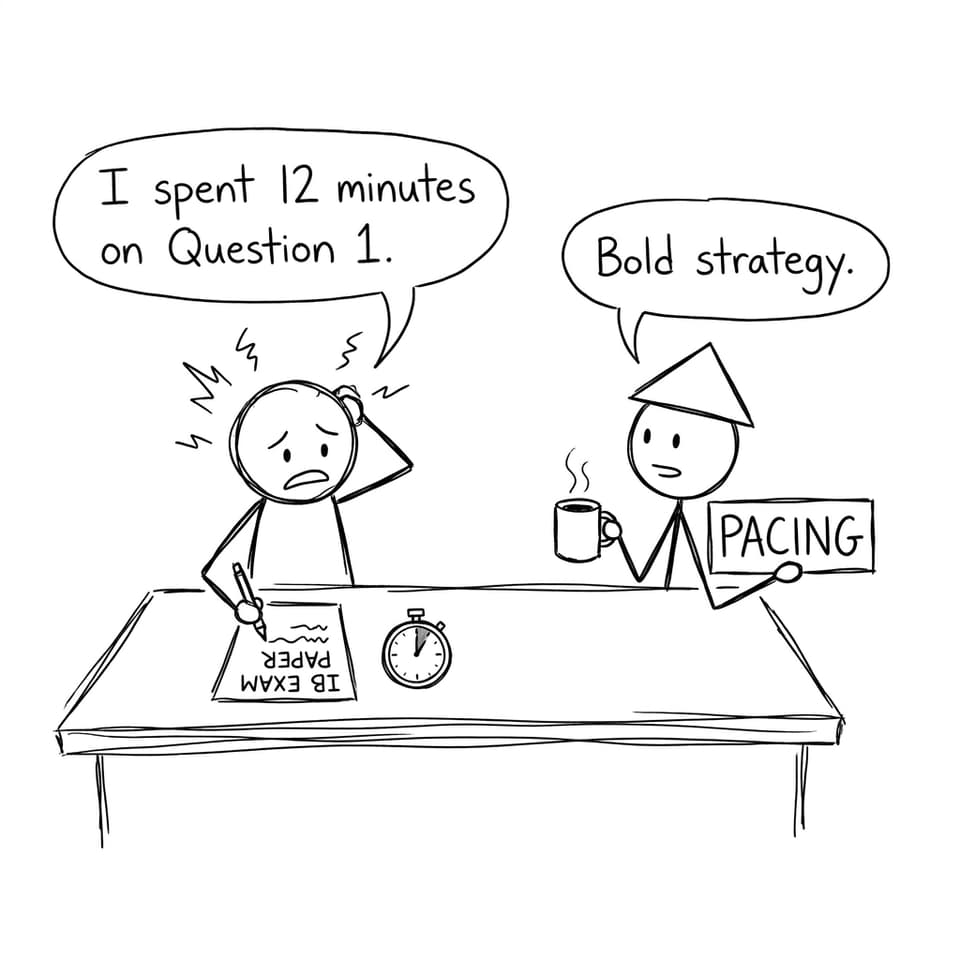
In IB exams, time pressure is a content test in disguise. Analytics shows whether you’re consistently:
-
spending too long on early questions,
-
speeding through the end,
-
or getting stuck on one specific style (data analysis, multi-step math, evaluation paragraphs).
When you can name your pacing problem, you can train it with timed sets and realistic IB mock strategies.
Accuracy by topic and skill (the IB way)
A single percentage can’t tell you if you’re weak in “calculus” or weak at “interpreting what the command term wants.” Good IB question analytics separates:
-
topic mastery (the actual syllabus knowledge), and
-
skill mastery (command terms, structure, interpretation, evaluation).
That’s what turns revision from “I’ll review everything” into “I’ll fix the exact thing that costs marks.” For targeted drilling, you can even jump into subject hubs like IB Chemistry Questionbank or IB Mathematics AI Questionbank.
Recurring error types (your personal shortlist)
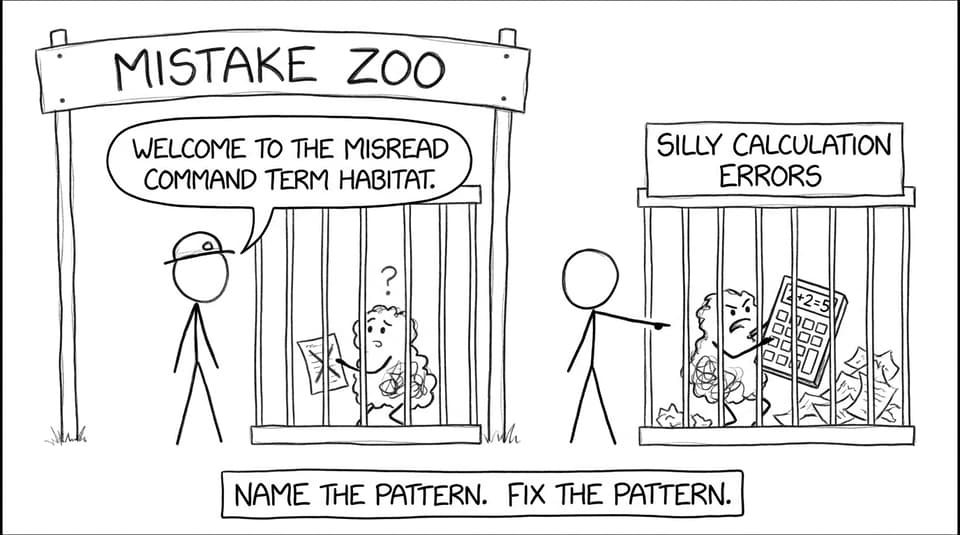
Most IB students don’t have 50 different problems. They have 5 problems repeating 10 times.
Analytics helps you spot patterns like:
-
misreading the question,
-
dropping method marks,
-
writing conclusions that don’t answer the prompt,
-
making the same small calculation slips,
-
guessing under pressure.
On RevisionDojo, you can pair this with AI Chat to ask, “What would a full-mark response include here?” then retake a tight set. Add Flashcards for the specific misconception, and suddenly your mistakes stop being random.
How to use IB question analytics to improve (a simple loop)
Review before you do more
After each session, spend 5 minutes reading your analytics like a coach, not a judge. If you’re using RevisionDojo, keep your Questionbank attempts, Grading tools, and review notes in one workflow.
Choose one weakness to attack next
Pick the biggest limiter (usually one topic + one skill). Then do a short, focused set. This is the logic behind custom IB question banks: fewer questions, more precision.
Retest under the same conditions
If timing was the issue, retest timed. If command terms were the issue, retest with an answer structure checklist. If you want a bigger realism boost, rotate in Mock Exams and Predicted Papers (training tools, not comfort tools) as described in IB predicted vs specimen papers.
Common mistakes IB students make without analytics
-
They chase total scores instead of diagnosing why marks were lost.
-
They repeat full papers instead of fixing one weak area.
-
They ignore pacing until the final weeks.
-
They confuse “hard topic” with “bad strategy.”
If you want your practice to feel more like progress, use analytics to decide what to do next, then use Study Notes + Flashcards to patch the gap, and Tutors when you need a human to spot what you can’t see.
FAQ
Can IB question analytics track progress across multiple sessions?
Yes, and that’s where it becomes genuinely powerful for IB students. One session is just a snapshot of your mood, energy, and question selection. Multiple sessions show whether a weak topic is consistently weak or whether it was just a one-off bad day. Over time, you can see if your accuracy is improving, if your speed is stabilising, and if certain question types keep dragging you down. This trend view also keeps your revision honest, because you can’t “feel prepared” without evidence. On RevisionDojo, the goal is to make that evidence visible so you can adjust quickly.
Does analytics separate topic gaps from skill gaps?
It should, because the fix is different in IB. If it’s a topic gap, you need a quick rebuild using Study Notes, then immediate practice with similar questions. If it’s a skill gap, the content might be fine but your method, structure, or command-term response is costing marks. That’s where tools like AI Chat and Grading tools help you see what examiners reward, then practise the same skill repeatedly. Separating these two also prevents burnout: you stop “revising everything” and start fixing one lever at a time. The result is calmer revision and more reliable improvement.
Is timing data really that important for IB exams?
For most IB subjects, yes, because timing affects accuracy in predictable ways. Students often begin carefully and end in a rush, which means the easiest marks become the ones they lose. Timing data helps you spot where you’re over-investing time and where you’re cutting corners. It also helps you train stamina with realistic blocks, rather than only doing untimed practice that feels good but doesn’t transfer. Once you know your slow zones, you can run short timed drills, then step up to longer Mock Exams for endurance. The point isn’t speed for its own sake; it’s consistency under pressure.
The takeaway: let IB analytics choose your next move
In IB revision, doing more questions isn’t the hard part. Learning more from each question is.
If you want a system that turns practice into progress, build your loop on RevisionDojo: Questionbank for targeted sets, Study Notes for fast patch-ups, Flashcards for retention, AI Chat for quick clarity, Grading tools for honest feedback, Predicted Papers and Mock Exams for realism, a Coursework Library to reduce background stress, and Tutors when you want high-trust guidance.
Open your analytics, pick one weakness, and let your next IB session be smaller, sharper, and more effective.