

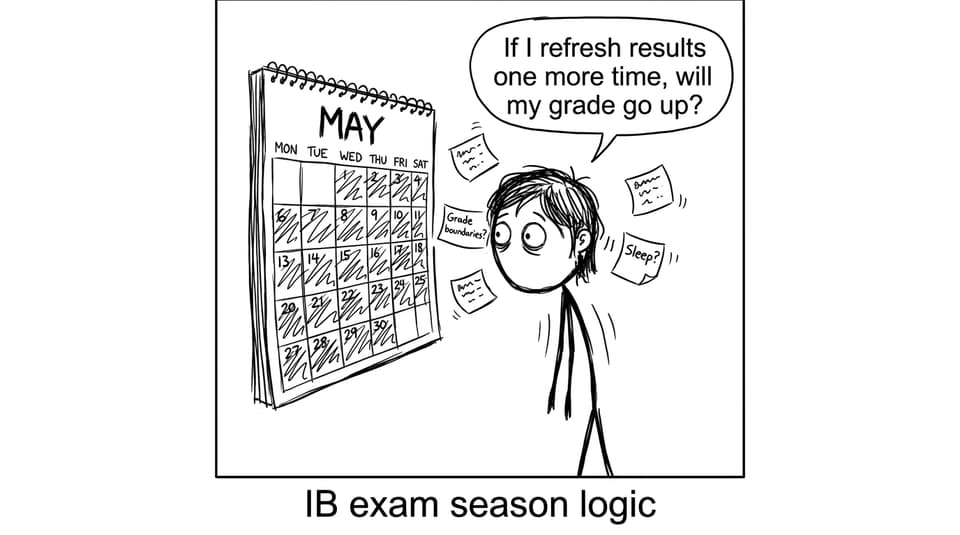
In the final stretch before exams, it’s tempting to treat IB grade boundaries like a secret code. You imagine that if you could just know the number, you’d finally relax. But here’s the quiet truth most IB students learn late: boundaries don’t reward anxiety. They reward preparation.
What IB grade boundaries actually are
IB grade boundaries are the minimum marks needed to earn each grade (1 to 7) for a specific subject and paper. They’re decided after exams are marked, not before. That timing matters: grade boundaries are a response to what happened in the session, not a promise made in advance.
Boundaries exist to keep grading fair across different exam sessions. If one paper turns out tougher than expected, boundaries can shift so students aren’t punished for difficulty. If a paper is easier, boundaries may rise so grades still mean the same thing.
What can affect IB grade boundaries in 2024
No one can publish exact IB grade boundaries for 2024 ahead of results. But you can understand the forces that usually move them:
-
Exam difficulty: harder papers often lead to lower boundaries.
-
Overall cohort performance: how the global group performs can nudge boundaries.
-
Assessment design and syllabus updates: changes in question style or emphasis can influence mark distributions.
-
Standardisation and statistical review: the IB uses moderation processes to keep outcomes consistent over time.
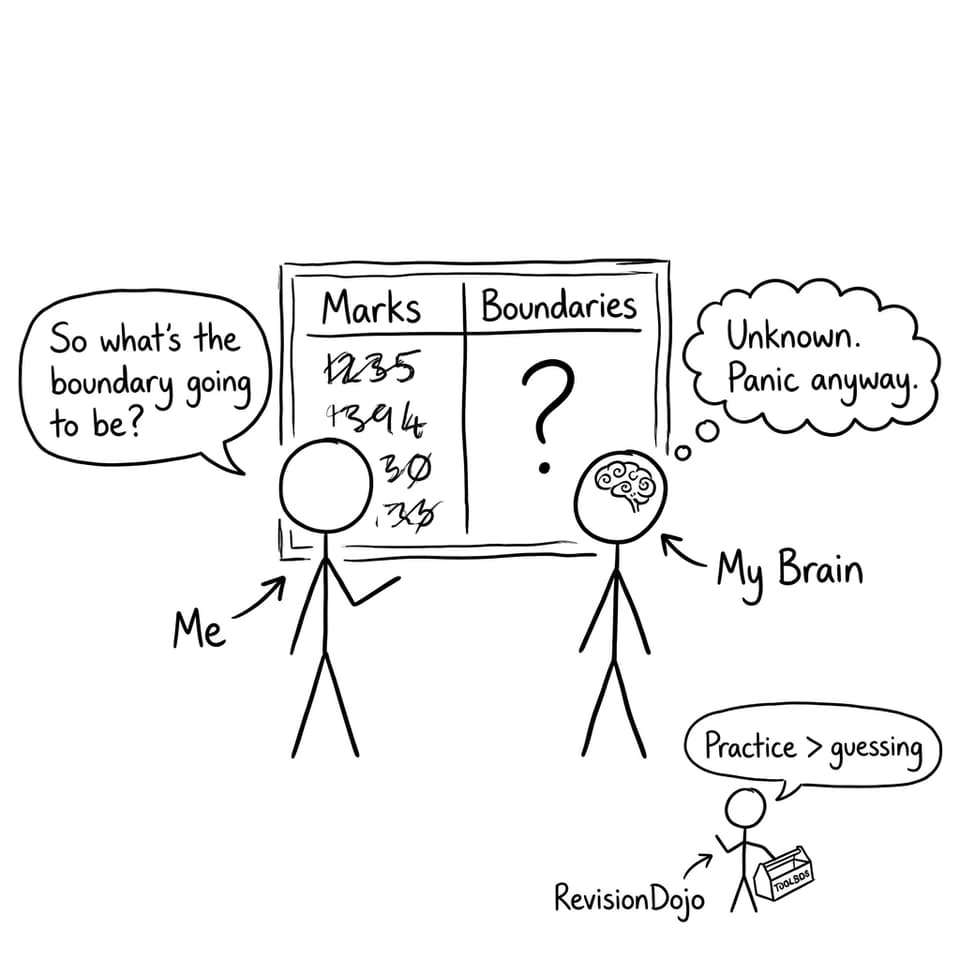
If you’re feeling stuck, it helps to shift the question from “What will the boundary be?” to “What marks am I reliably scoring under exam conditions?” That is the only number you can control.
A practical IB checklist: how to use boundaries without obsessing
Think of IB grade boundaries as a map legend, not the map itself. Use them to interpret results later, and to set rough targets now.
Use boundaries to set realistic targets
Past boundaries can show you whether a “7” usually requires, say, high 70s or mid 80s (depending on subject). That helps you plan your effort.
Don’t revise by guessing a cutoff
Instead, build an improvement loop you can repeat:
-
Learn weak content fast with Study Notes inside RevisionDojo for IB
-
Drill exam-style skills using the Questionbank feature
-
Convert recurring mistakes into daily retrieval with Flashcards (inside the RevisionDojo system)
-
Get unstuck quickly with AI Chat and stop losing time to confusion
-
Train timing with Mock Exams and IB Predicted Papers
For a simple weekly structure, the guide Countdown to IB Exams: Use IB Resources That Work is a strong place to start.
How RevisionDojo helps IB students turn uncertainty into marks
Most IB stress comes from not knowing what matters most. RevisionDojo reduces that noise by putting your whole workflow in one place: Questionbank, Study Notes, Flashcards, AI Chat, Grading tools, Predicted Papers, Mock Exams, Coursework Library, and Tutors.
If you want a clear strategy for practice, read IB Question Bank: How to Use It Effectively. If you’re behind and spiralling, How to Study for IB Exams When You Feel Behind helps you rebuild momentum with fewer moving parts.
Frequently asked questions
When will IB grade boundaries for 2024 be released?
IB grade boundaries are typically published alongside results or shortly after results are released. That’s because boundaries depend on marking outcomes and session-wide performance. If you’re trying to find exact numbers before results day, you’ll mostly find guesses or unofficial charts. Those guesses can create more stress than clarity, especially if they spread through group chats. The healthier approach is to prepare as if boundaries could move slightly either way. Focus on controllables: accuracy, timing, and consistent exam technique.
Can IB grade boundaries predict my final score?
Not reliably. IB grade boundaries can help you estimate what grades might require in a given subject, but they can’t predict your individual performance on exam day. Your mark is shaped by how you handle the paper in front of you: command terms, method marks, and time pressure. Many students lose marks not from missing content, but from rushed explanations or misread prompts. That’s why using tools like RevisionDojo’s Questionbank and Grading tools matters: you practise the logic of marking, not just the topic list. In other words, boundaries are context, but performance is the driver.
Do IB grade boundaries affect university admissions?
Universities generally use your final IB grades and total points, not the boundaries behind them. Boundaries are part of how the IB converts raw marks into grades, but admissions teams don’t typically evaluate that conversion step. What they care about is whether you met an offer condition and how your subject grades compare to program requirements. If you’re worried about hitting a specific condition, the most effective move is targeted practice to push your marks up by a small, repeatable amount. That’s where timed sessions and feedback loops help most. Try combining RevisionDojo App: The Smarter Way to Prep for IB Exams with weekly rehearsal using predicted papers.
The bottom line for IB students in 2024
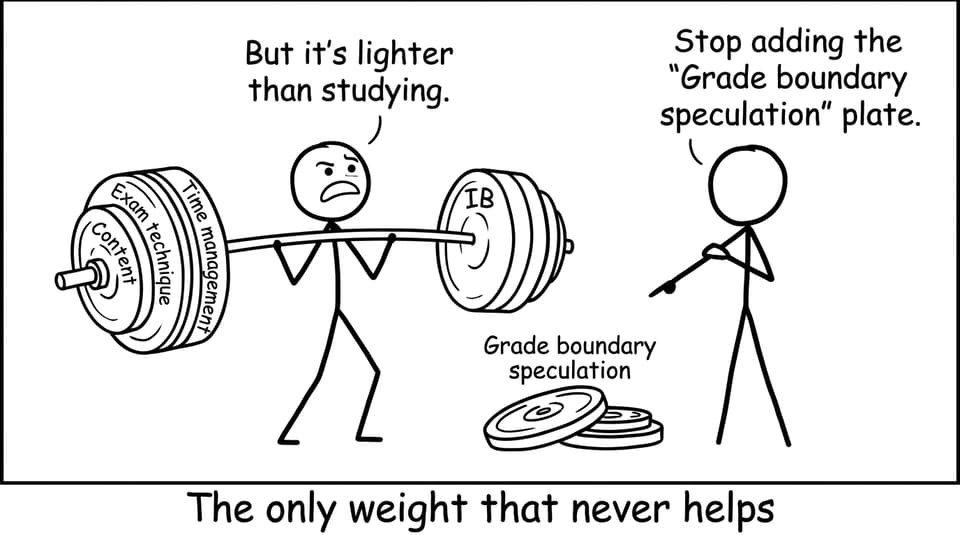
You don’t need to know the exact IB grade boundaries for 2024 to revise well. You need a system that turns time into marks. Build your routine around practice, feedback, and repetition, then let boundaries do what they’re meant to do: standardise fairly after the exam.
If you want one calm home base for IB revision, start with RevisionDojo for IB and build your loop with Questionbank practice, Flashcards, AI Chat support, and timed Mock Exams.