
A strange thing happens in the middle of IB season: you can work for hours and still feel unsure if you’re getting better.
You tweak a paragraph, adjust a graph, tighten a claim. The draft gets longer. The stress gets louder. But the one question you actually need answered stays quiet: is this improving?
That’s why IB coursework progress tracking matters. It turns effort into evidence. And when you can see your development across IA, EE, and TOK drafts, you stop guessing and start steering.
IB coursework progress tracking in one quick checklist
If you want a simple IB progress-tracking routine, use this loop:
-
Save every draft as a “version” (don’t overwrite)
-
Get rubric-aligned feedback on each version
-
Track 1-2 recurring issues (not 20)
-
Revise only what moves your criterion marks
-
Re-check improvement under exam pressure
You can run this inside RevisionDojo using the IB Coursework Grader plus your daily exam prep loop from the RevisionDojo app overview.
Why IB students stall without progress tracking
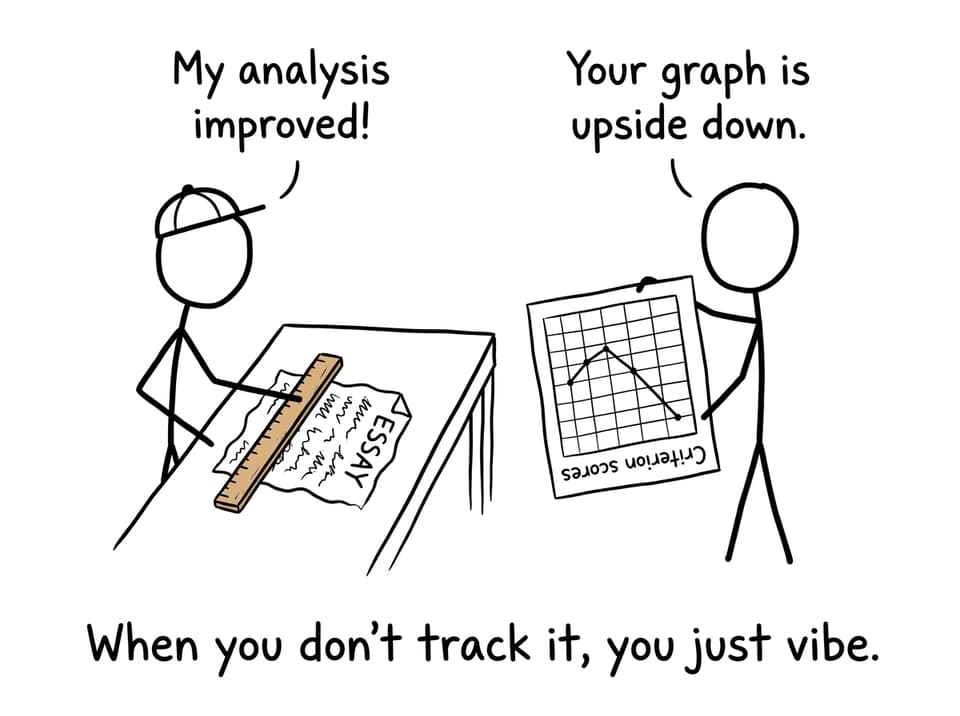
Most IB students don’t struggle because they’re not working. They struggle because their work isn’t measurable.
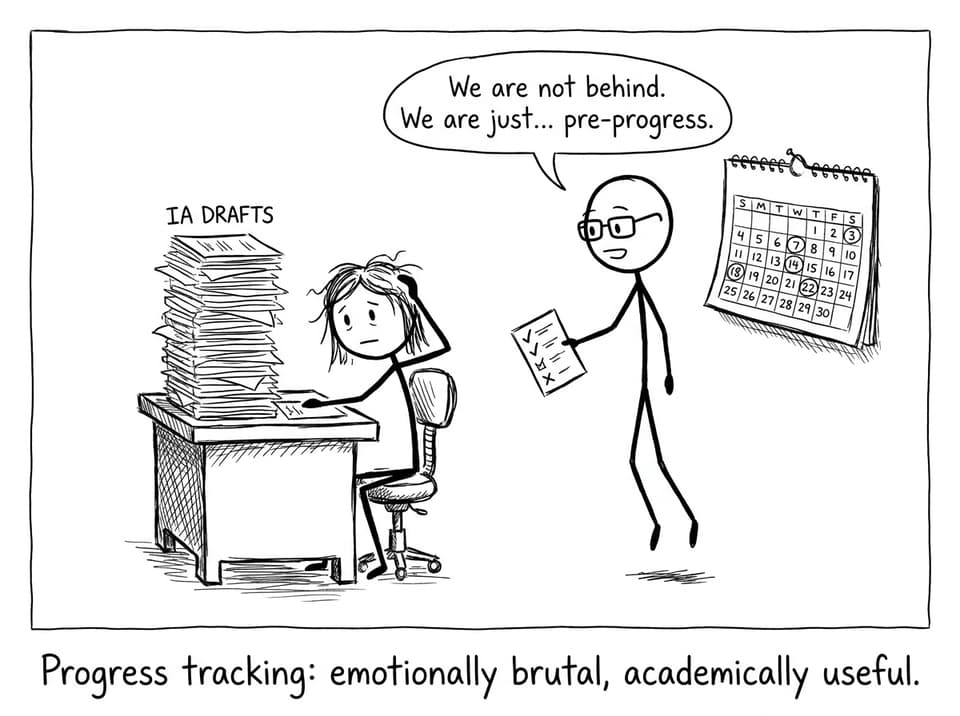
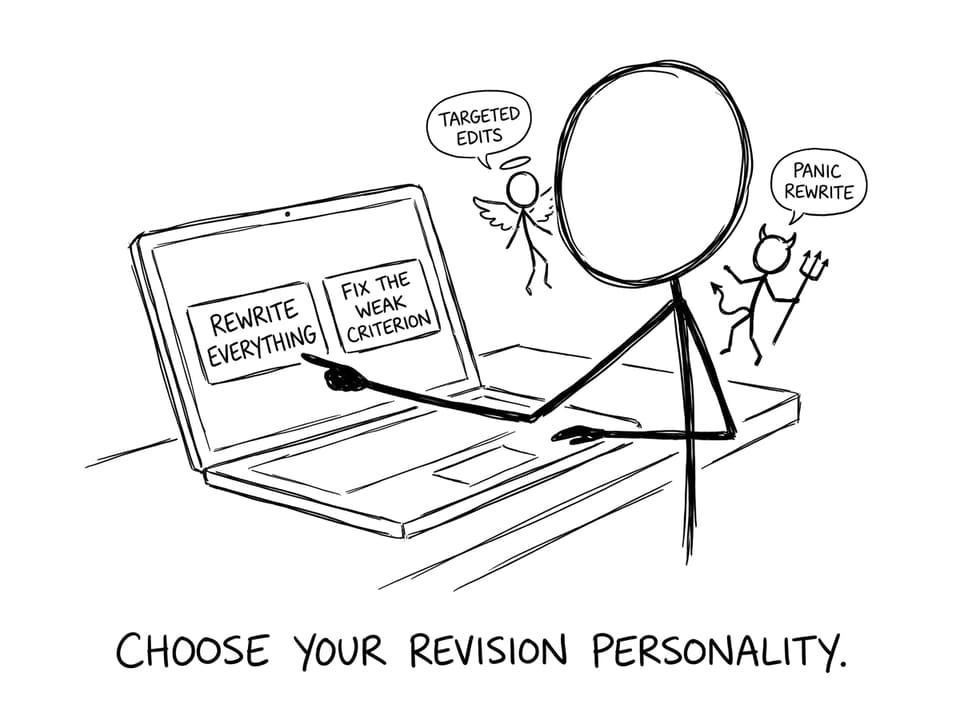
When you don’t track progress, you default to “panic rewriting”: editing the sections you feel are weak, instead of the criteria that actually decide marks. Over time, that creates a familiar trap: more words, same band.
Progress tracking breaks that trap by showing patterns across drafts: where analysis is thin, where structure drifts, where reflection stays descriptive. Once patterns are visible, improvement becomes repeatable.
How RevisionDojo supports IB coursework progress tracking
A strong IB system is simple: submit, score, compare, revise. RevisionDojo is built around that loop.
Upload and re-check multiple drafts
With the IB Coursework Grader, you can upload IA, EE, or TOK drafts and get feedback aligned to criteria. The point isn’t to chase perfection in one sitting. It’s to run fast revision cycles and see what changed.
If you’re looking for a deeper walkthrough, the blog post on AI IB Coursework Grading pairs well with a progress-tracking routine.
Turn feedback into targeted edits (not total rewrites)
Progress tracking works best when you narrow your focus. Use Jojo AI Chat to ask one precise question: “Which criterion is limiting my mark, and what is the smallest change that raises it?”
That same “smallest effective change” mindset is also how you should revise for exams: learn, practice, fix, repeat. RevisionDojo connects coursework and exam prep through tools like Flashcards and strategy posts like How to study for IB mocks without burning out.
Keep coursework from stealing your exam season
Coursework expands to fill the time you give it. A progress tracker helps you set boundaries: “Two hours on the weakest criterion, then stop.”
To keep the rest of your IB prep moving, use the same platform loop: Study Notes, Flashcards, Questionbank, then timed practice. For structure, see Is 1 month enough to study for IB exams? and the broader system in IB revision made easy with RevisionDojo all-in-one.
FAQ: IB coursework progress tracking
How often should I track IB coursework progress?
Track IB coursework progress every time you finish a meaningful revision cycle, not every time you fix a typo. A good rhythm is one “version” per focused session: revise, then re-check your criterion performance. This helps you avoid endless tinkering and gives you clean comparisons between drafts. If you track too frequently, you’ll drown in tiny changes that don’t affect marks. If you track too rarely, you’ll forget what you changed and why it mattered. The sweet spot is consistent, spaced iterations that reflect real improvement.
What should I track besides a score?
In IB coursework progress tracking, the most useful data is often qualitative. Track recurring feedback themes like “analysis vs description,” “unclear methodology,” or “weak evaluation.” Track whether you’re meeting structural expectations: clear research question alignment, consistent evidence use, and focused reflection. Also track time spent per section, because effort is a clue to what’s inefficient. Finally, track your “next action” list for each draft, so you always know what to do when you sit down again. The goal is clarity, not just numbers.
How can RevisionDojo help me track progress while I prepare for exams?
RevisionDojo is useful because it doesn’t treat coursework and exams as separate lives. You can use the IB Coursework Grader to get rubric-aligned feedback on drafts, then switch back into exam training using the same improvement loop. When coursework is stressful, you can stabilize your day with small wins from Flashcards and targeted practice sessions, instead of losing momentum. If you get stuck, Jojo AI Chat helps you diagnose what’s actually limiting your criterion performance, which makes revisions shorter and smarter. And when exam pressure rises, you can lean on Mock Exams and Predicted Papers to keep timing and technique sharp. In other words: progress tracking becomes the bridge between “working hard” and “getting results.”
Final thought: make IB progress visible
The students who thrive in IB aren’t always the most talented. They’re the ones who can see what’s improving and repeat the process.
If you want IB coursework progress tracking that feels calm and practical, start a simple loop today: upload your draft, get criterion-aligned feedback, compare versions, and revise only what moves the mark. Then keep your exam engine running with RevisionDojo’s Questionbank, Study Notes, Flashcards, AI Chat, Grading tools, Predicted Papers, Mock Exams, Coursework Library, and Tutors.
Start here: IB Coursework Grader.