
When results day feels far away, it’s easy to treat the IB grade as something mystical, as if it arrives by surprise, not by accumulation. But grade boundaries make the process more concrete. They turn “I want a 6/7” into “I need this many marks, in these components, with this much margin.”
This guide gives you the IB Chinese B HL grade boundaries for 2025 (Timezone 0), plus a calm way to use them while you revise.
Quick checklist (save this before you revise)
-
Confirm you’re looking at Timezone 0 boundaries (not a different zone).
-
Target a small “buffer” above your desired boundary (2-5 marks per component is a good start).
-
Train all four skills weekly: speaking, writing, listening, reading.
-
Use tools that compress feedback loops: timed practice, fast corrections, and repeat.
If you want one place to track and compare boundaries across subjects, keep IB Grade Boundaries open alongside this post.
IB Chinese B HL Grade Boundaries 2025 (Timezone 0)
These are the component ranges and the final total out of 100 for IB Chinese B HL in 2025 (TZ0).
Internal Assessment (Oral): out of 30
-
Grade 7: 27-30
-
Grade 6: 22-26
-
Grade 5: 18-21
-
Grade 4: 13-17
-
Grade 3: 7-12
-
Grade 2: 4-6
-
Grade 1: 0-3
Paper 1 (Writing): out of 30
-
Grade 7: 24-30
-
Grade 6: 20-23
-
Grade 5: 17-19
-
Grade 4: 13-16
-
Grade 3: 9-12
-
Grade 2: 5-8
-
Grade 1: 0-4
Paper 2 Listening: out of 25
-
Grade 7: 22-25
-
Grade 6: 19-21
-
Grade 5: 16-18
-
Grade 4: 13-15
-
Grade 3: 7-12
-
Grade 2: 4-6
-
Grade 1: 0-3
Paper 2 Reading: out of 40
-
Grade 7: 34-40
-
Grade 6: 29-33
-
Grade 5: 23-28
-
Grade 4: 18-22
-
Grade 3: 10-17
-
Grade 2: 5-9
-
Grade 1: 0-4
Final IB Chinese B HL grade boundaries: out of 100
-
Grade 7: 83-100
-
Grade 6: 70-82
-
Grade 5: 57-69
-
Grade 4: 44-56
-
Grade 3: 24-43
-
Grade 2: 12-23
-
Grade 1: 0-11
How to use IB grade boundaries without obsessing
Grade boundaries in the IB are helpful when they shape your weekly actions.
Build a “two-mark habit” for each component
Instead of thinking “I need a 7,” think: “Where can I reliably add two marks?”
-
Oral: clearer structure and better follow-up examples.
-
Paper 1: cleaner register and more accurate grammar.
-
Listening: smarter note-taking symbols and disciplined second-checking.
-
Reading: fewer rushed assumptions, more evidence-based answers.
To keep your practice aligned to the actual course, start with the IB Chinese B Resources hub and branch into skills as needed.
Use RevisionDojo to shorten feedback loops
The fastest way to climb IB boundaries is to make mistakes quickly, then correct them quickly.
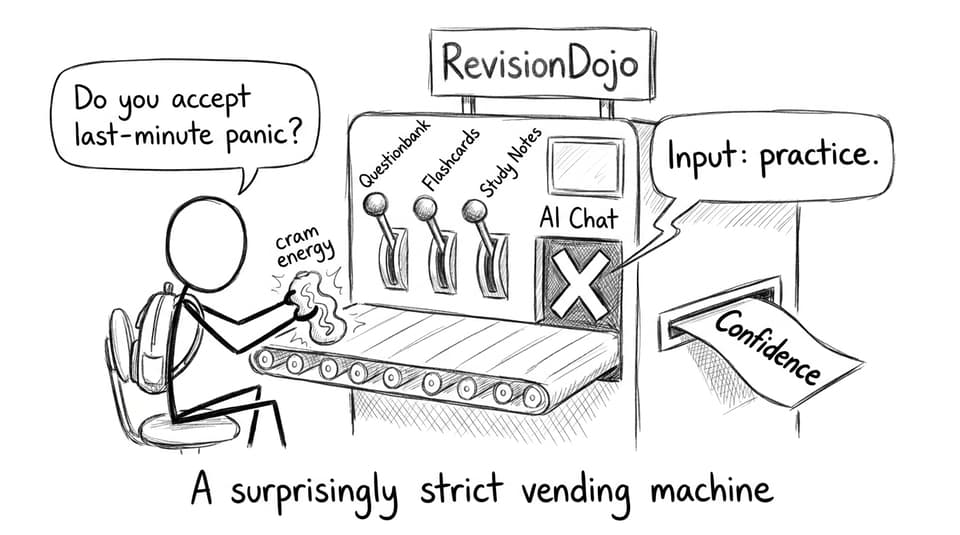
RevisionDojo is built for that:
-
Questionbank for exam-style drills
-
Study Notes for syllabus-aligned clarity (IB Chinese B Revision Notes)
-
Flashcards for daily retrieval (especially theme vocabulary)
-
AI Chat to explain why an answer is wrong and what pattern you missed
-
Grading tools to check writing and coursework drafts earlier, not later
-
Predicted Papers and Mock Exams to practice timing and stamina
-
Coursework Library for exemplars (IB Chinese B Examples)
-
Tutors when you need targeted correction, not generic advice
For Paper 2 routines, use How to Prepare for IB Chinese B Paper 2 (Listening and Reading). For Paper 1 writing technique, keep How to Improve Writing in IB Chinese B nearby.
Grade boundaries at a glance (IB Chinese B HL 2025, TZ0)
Oral (30): 7: 27-30 | 6: 22-26 | 5: 18-21 | 4: 13-17 | 3: 7-12 | 2: 4-6 | 1: 0-3
Paper 1 (30): 7: 24-30 | 6: 20-23 | 5: 17-19 | 4: 13-16 | 3: 9-12 | 2: 5-8 | 1: 0-4
Listening (25): 7: 22-25 | 6: 19-21 | 5: 16-18 | 4: 13-15 | 3: 7-12 | 2: 4-6 | 1: 0-3
Reading (40): 7: 34-40 | 6: 29-33 | 5: 23-28 | 4: 18-22 | 3: 10-17 | 2: 5-9 | 1: 0-4
Final (100): 7: 83-100 | 6: 70-82 | 5: 57-69 | 4: 44-56 | 3: 24-43 | 2: 12-23 | 1: 0-11
FAQ
Why do grade boundaries differ across components?
In IB Chinese B HL, each component measures a different skill, and skills create difficulty in different ways. The oral rewards clarity under pressure: you have to think, respond, and stay accurate in real time. Paper 1 rewards controlled writing: structure, register, vocabulary range, and error management. Listening can punish small lapses in attention, while reading can punish overconfidence when you “feel” you understood but missed a detail. Because the tasks are not identical, the mark distributions are not identical. Grade boundaries reflect that reality for the 2025 cohort in Timezone 0.
How is the final grade calculated?
Your final IB grade is based on a weighted combination of your components, producing a total mark out of 100. After marking and moderation, that total is compared to the final boundary table for your session and timezone. This is why balanced performance matters: a strong reading score can help, but it can’t always fully compensate for a weak writing or oral. The practical takeaway is to avoid “neglect components,” even the one you dislike most. Use a simple weekly rotation so each skill gets touched consistently. If you want to sanity-check targets, the IB Grade Calculator helps you model outcomes.
Which component is usually hardest for HL students?
Hardest is personal, but many IB students struggle most with the oral and the reading paper for opposite reasons. The oral is difficult because it’s live: you can’t pause to search for the perfect grammar structure, so your fluency habits show. Reading is difficult because it’s silent and deceptive: you can read quickly and still miss tone, inference, or a key qualifier. The students who improve fastest treat both as “systems.” They build theme vocabulary and examples (see The Five Core Themes of IB Chinese B), then practice under time pressure until the system becomes familiar. Familiarity is not the same as ease, but it creates reliability.
Closing: turn IB boundaries into a calmer plan
The point of knowing IB Chinese B HL grade boundaries for 2025 (Timezone 0) isn’t to chase a magic number. It’s to give your revision a shape: a target, a buffer, and a repeatable weekly rhythm.
If you want that rhythm to feel simpler, build it inside RevisionDojo using the Questionbank, Study Notes, Flashcards, AI Chat, Grading tools, Predicted Papers, Mock Exams, Coursework Library, and Tutors. Then boundaries stop being stressful headlines and start becoming something far more useful: feedback you can act on.