
A calm way to look at IB Chemistry boundaries
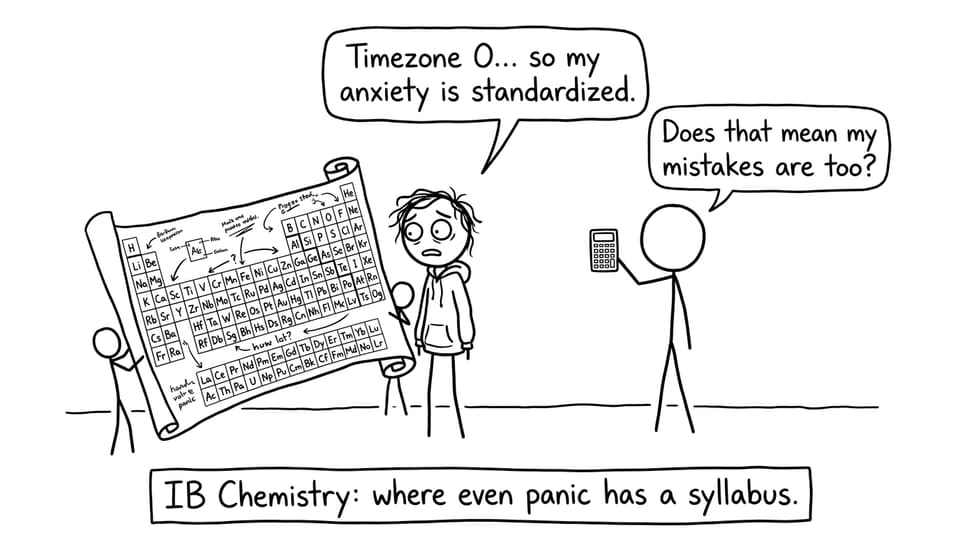
The night before results, most IB Chemistry students don’t worry about ionic radii or entropy. They worry about numbers: What did I need for a 6? Was my Paper 2 enough? Grade boundaries can feel like a verdict.
But here’s the more useful way to see them: boundaries are a map. Not a prophecy. Once you know the 2025 Timezone 0 cutoffs, you can turn vague effort into targeted practice across Paper 1, Paper 2, Paper 3, and practical work.
If you want a single reliable hub to compare sessions later, bookmark IB Grade Boundaries. And if you want to translate your component marks into an estimate, use the IB Grade Calculator.
Quick checklist before you revise
Use this short checklist to make your IB Chemistry revision feel like training instead of hoping:
-
Learn the boundary ranges so you know what “safe marks” look like.
-
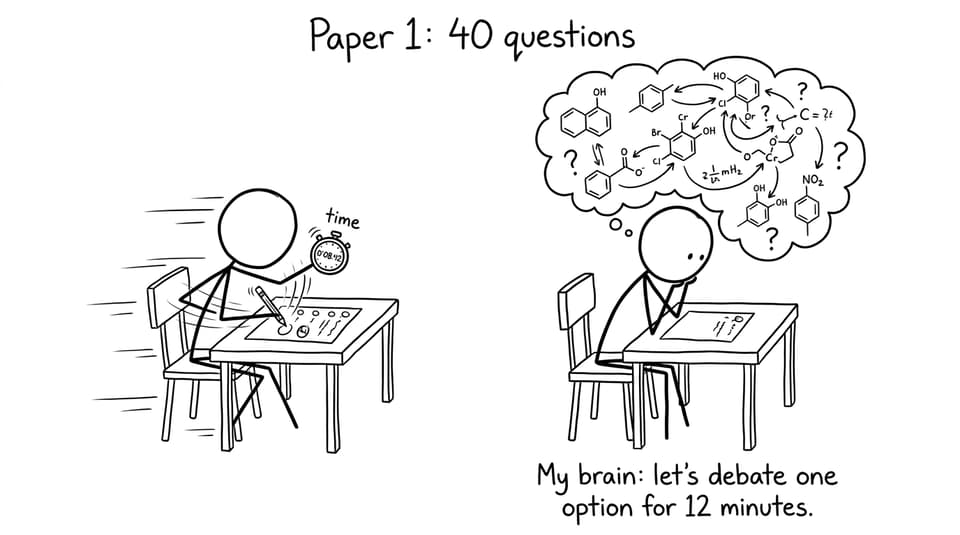
Practice timed questions weekly (especially Paper 1 pacing).
-
Build method-mark habits: units, sig figs, clear working.
-
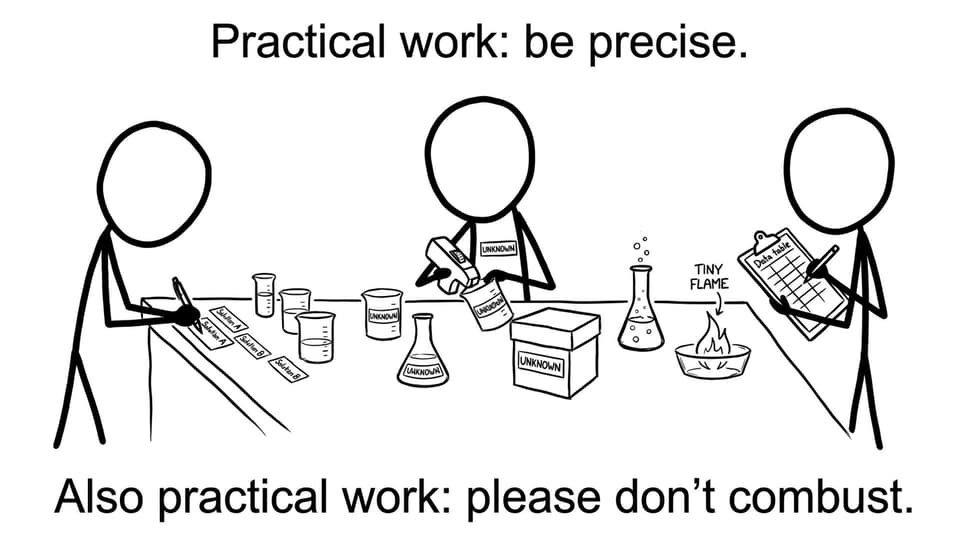
Treat practical skills as examinable knowledge, not “lab vibes.”