
The first time you realize the IB exams are no longer “in the future” but “on the calendar,” everything changes. Notes start to look heavier. Time starts to feel smaller. And the mind does what it always does under pressure: it tries to do everything at once.
A better IB strategy is quieter. One month at a time. One loop repeated consistently: understand, recall, apply, review. That’s how confidence is built, not with heroic cramming, but with a plan you can actually follow.
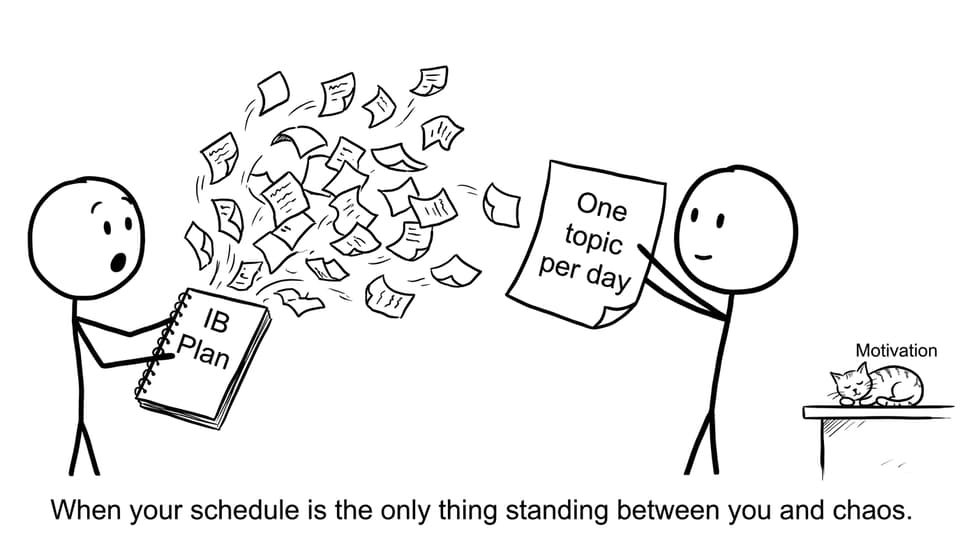
The IB revision checklist (use this every week)
-
Pick the next IB paper or skill you’re training for (not “the whole subject”)
-
Patch understanding with Study Notes
-
Lock memory with Flashcards (daily, short)
-
Build marks with topic-filtered Questionbank practice
-
Do one timed session weekly using Mock Exams or Predicted Papers
-
Review mistakes using AI Chat and Grading tools (plus a simple error log)
If you want a broader framework, pair this plan with The Ultimate Guide to Revision for IB Students and keep it open like a compass.
Six months before IB exams: build the foundation
Six months out is where you win time back. Your goal is not intensity; it’s coverage and control.
Start by mapping what “the syllabus” really means in your subjects. Build a checklist of topics and subtopics, and mark three categories: confident, shaky, unknown. Then set long-term targets (for example: “finish baseline coverage by month 4” or “do one timed section weekly by month 3”).
This is also the month to build a realistic schedule. Use How to Create a Balanced IB Study Schedule as your template and protect a daily minimum: 10 minutes of recall even on busy days.
Four months before IB exams: deepen understanding (without rewriting everything)
Now you go from “I’ve seen this” to “I can use this.” In the IB, marks come from application: command terms, structure, and accurate steps.
Use tight study blocks:
-
10 minutes: RevisionDojo Study Notes on one subtopic
-
25-35 minutes: Questionbank practice on that same subtopic
-
10 minutes: review mistakes and turn them into Flashcards
This is also where active methods matter more than aesthetic notes. If you’re unsure what “good revision” looks like in practice, borrow the workflow from How to Study for IB Exams: Step-by-Step Guide.
Two months before IB exams: practice under pressure
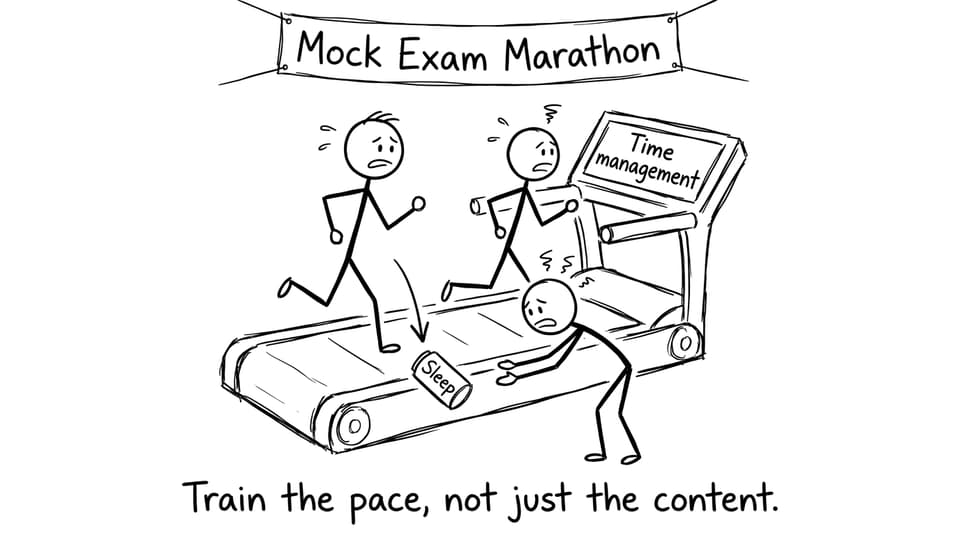
Two months out, you stop asking “Do I understand?” and start asking “Can I do it on time?” That’s the difference between knowing content and scoring in the IB.
Schedule:
-
3-5 practice sessions per subject each week (topic targeted)
-
1 timed session weekly (a section or mini-mock)
-
1 weekly review session focused on patterns: timing, command terms, recurring misconceptions
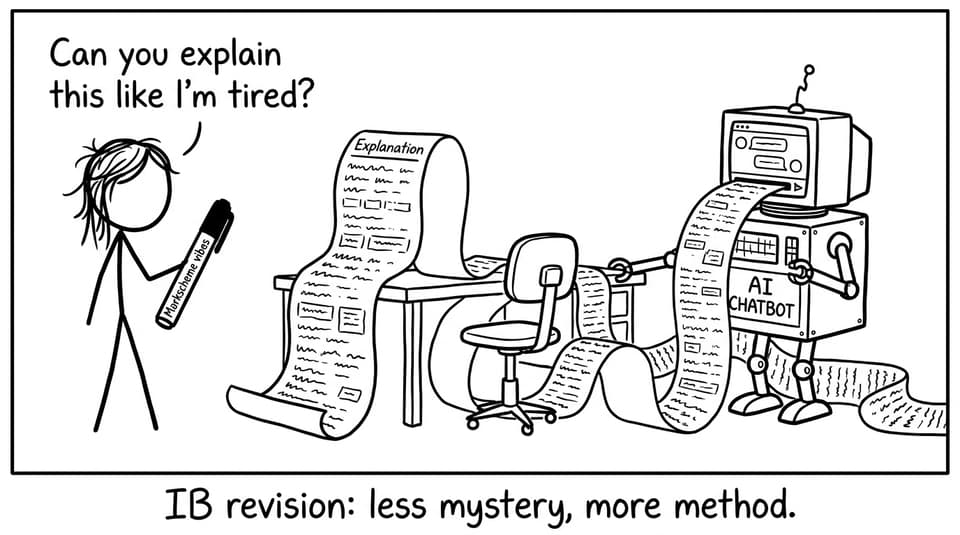
Use Time-Controlled IB Tests: Build Speed and Accuracy to structure your timing drills. Then use RevisionDojo AI Chat to ask one precise question after review: “What would a top-band answer do differently here?”
One month before IB exams: consolidate and sharpen
This month is about tightening. Fewer new topics, more repeatable performance.
Focus on:
-
mixed-topic practice (because real IB papers mix skills)
-
a short daily Flashcards routine
-
weekly Mock Exams or Predicted Papers to rehearse stamina
-
Grading tools for structured feedback, especially on written responses
If you’re wondering whether a month can be enough, read Is 1 Month Enough to Study for IB Exams? and use it to set realistic expectations.
The final week: taper, don’t panic
The last week is where calm becomes a study technique.
Do:
-
light recall and short timed warmups
-
review your error log (the mistakes you actually make)
-
pack exam materials early and keep sleep consistent
Don’t:
-
rebuild your entire timetable
-
learn brand new systems
-
turn every day into a marathon
For a final stretch template, follow IB: The Last 2 Weeks Before Exams (What Matters).
A calm finish: make the IB plan boring
A good IB month-by-month revision plan isn’t dramatic. It’s reliable. It turns the syllabus into small targets, turns mistakes into flashcards, and turns anxiety into timed evidence.
If you want to run the whole loop in one place, RevisionDojo is built for it: Questionbank, Study Notes, Flashcards, AI Chat, Grading tools, Predicted Papers, Mock Exams, a Coursework Library, and Tutors when you need feedback that actually changes your next attempt. Start today with one topic, one timed set, and one improvement rule; then let the months do their work.