

The night before an IB deadline has a specific sound.
It is the quiet clicking of tabs you promised you would close. It is the low hum of a printer that suddenly decides to be philosophical. It is your brain asking, very politely at first, whether you are actually academically capable of the IB Diploma.
If you have asked that question, you are already closer to IB success than you think. Because the students who struggle most are not the ones who find it hard. They are the ones who assume it should feel easy.
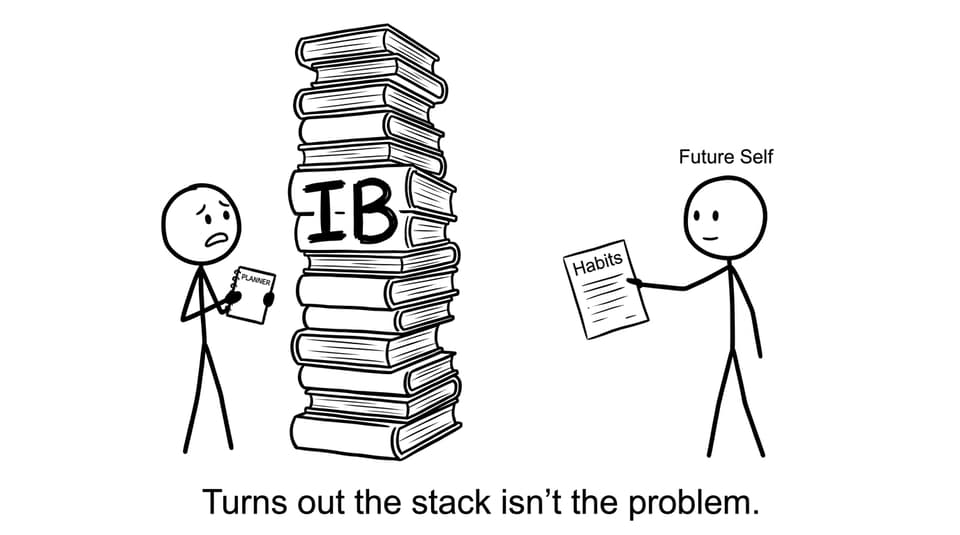
This guide is a practical mirror: 10 signs you are ready for IB, plus a quick self-check and a simple way to build the skills you are missing.
IB readiness checklist (quick overview)
Before the signs, here is the short version. You are academically ready for IB if you can:
-
Hold six subjects in your head without dropping all of them at once
-
Explain ideas clearly (especially in writing)
-
Stay curious long enough to research, not just revise
-
Build a system for deadlines and stick to it
-
Use feedback without taking it personally
-
Work consistently across months, not just weekends
If most of those feel possible, IB is not reserved for someone else. It is a training ground you can belong in.
10 signs you are academically capable of the IB Diploma
You can switch between different kinds of thinking
IB asks you to move between languages, sciences, maths, and humanities like you are changing gears. One hour you are analysing tone. The next you are interpreting data. That constant switching is tiring, but it is also a skill.
If you can reset your mind between subjects without feeling completely lost, you already have a key IB advantage. And if you cannot yet, that is not a deal-breaker. It just means you need a routine that reduces friction.
A simple way to build that routine is to pair content with practice: read a topic summary, then immediately answer a few exam-style questions. RevisionDojo makes that loop easy with RevisionDojo for IB and its linked tools.
You can explain ideas in writing (even if your first draft is messy)
In IB, knowing something is rarely enough. You have to communicate it: define terms, structure arguments, evaluate perspectives, and use evidence.
If you can write your way toward clarity, you are ready. Your paragraphs do not need to be perfect. But you do need to be willing to revise.
To strengthen this quickly, many students use targeted practice plus feedback. The Questionbank feature is built for that exact habit: attempt, compare to markscheme logic, then try again.
You ask “why” more often than “will this be on the exam?”
The IB is surprisingly allergic to pure memorisation. Curiosity becomes an academic advantage because it pushes you to connect ideas, not just list them.
If you naturally wonder why a model works, why a quote matters, or why a case study changes the conclusion, you will find IB demands less threatening. Research-heavy components like IAs, TOK, and the Extended Essay reward that instinct.
RevisionDojo supports this kind of exploration by letting you learn a topic, then test it, then ask questions in the moment using the platform’s AI support and explanations (more on that later).
You are willing to build structure (even if you are not “organised”)
The myth: IB students are naturally organised.
The reality: IB students build scaffolding because they have to. Deadlines overlap. Tasks expand. Time slips.
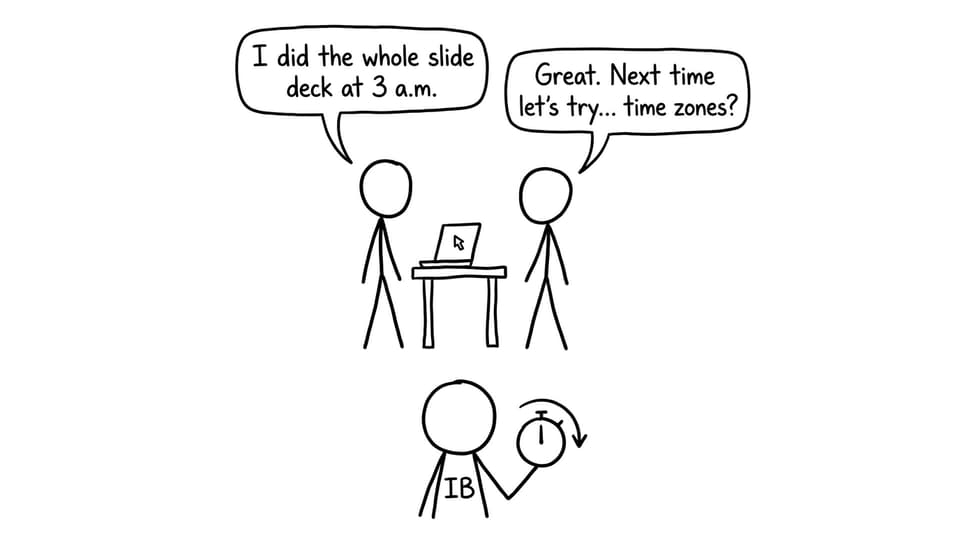
If you are willing to use a calendar, break tasks into smaller pieces, and start earlier than your emotions prefer, you are academically capable of IB. Structure is not a personality trait. It is a decision you repeat.
Students who want a single home base often start with the RevisionDojo app workflow for IB exams, then adapt it to their week.
You can take feedback without turning it into a personal verdict
IB grades can feel intimate because you put so much of yourself into the work. But the strongest IB students treat feedback as information, not identity.
If you can read comments, identify patterns, and change your approach, you are already thinking like someone who will score higher over time.
For coursework, that improvement loop gets easier when feedback is clear and criterion-based. RevisionDojo’s IB Coursework Grader helps students practise that skill: understand the rubric, revise intentionally, resubmit with purpose.
You can stay consistent longer than you can stay motivated
Motivation is a weather system. It comes and goes.
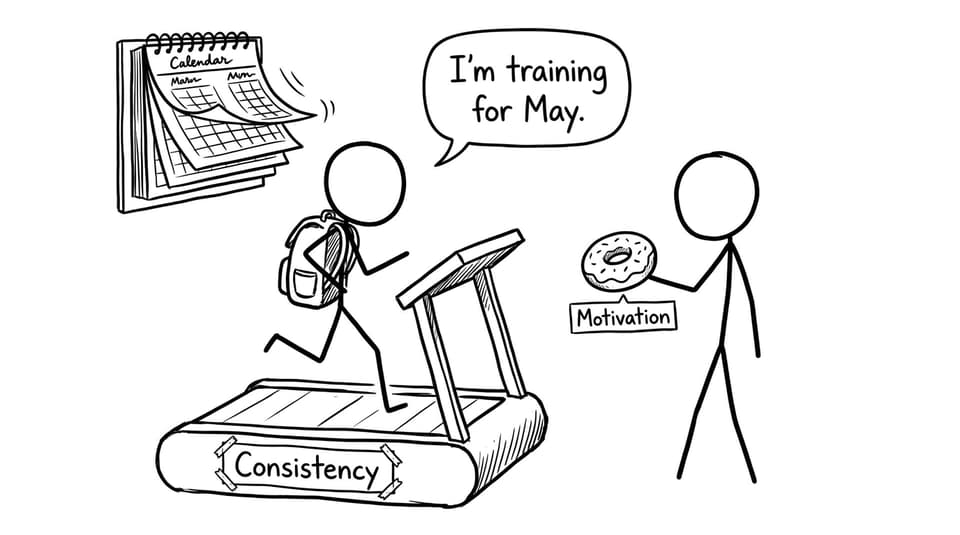
IB success is usually built by consistency: short sessions, repeated over months, with steady corrections along the way.
If you can work on days you do not feel like it, you are ready. If you cannot yet, you are still not disqualified. It just means you should design revision around small daily actions, not heroic weekend marathons.
The easiest daily anchor for many IB students is spaced repetition. RevisionDojo’s IB Flashcards are designed for that exact kind of consistency.
You prefer understanding plus practice over rereading
Rereading can feel productive. It is also often a mirage.
IB exams reward retrieval: can you produce the idea, under time pressure, in the form the question demands? That is why the best IB revision plans include a lot of doing, not just reading.
If you already test yourself, do timed sets, or enjoy practice questions, you are academically aligned with the IB.
To build this faster, combine three tools in a loop:
-
Digital IB Study Notes for clean understanding
-
Flashcards feature for recall
-
Comprehensive IB Question Bank guide for targeted drilling
You can collaborate without losing yourself
Group work in IB can be wonderful or chaotic, often within the same 20 minutes. Still, discussion, shared planning, and peer feedback are part of the experience.
If you can contribute ideas, listen, and adjust based on others, IB becomes lighter. You stop carrying everything alone.
This also matters for exam preparation: explaining a concept to a friend is one of the fastest ways to discover whether you truly understand it.
You can handle productive struggle
IB is not designed to be smooth. At some point, every student hits a wall: a topic that will not click, a grade that stings, a week where everything stacks up.
Academic capability in IB is less about avoiding that moment and more about what you do next. If you can ask for help, change tactics, and keep going, you are ready.
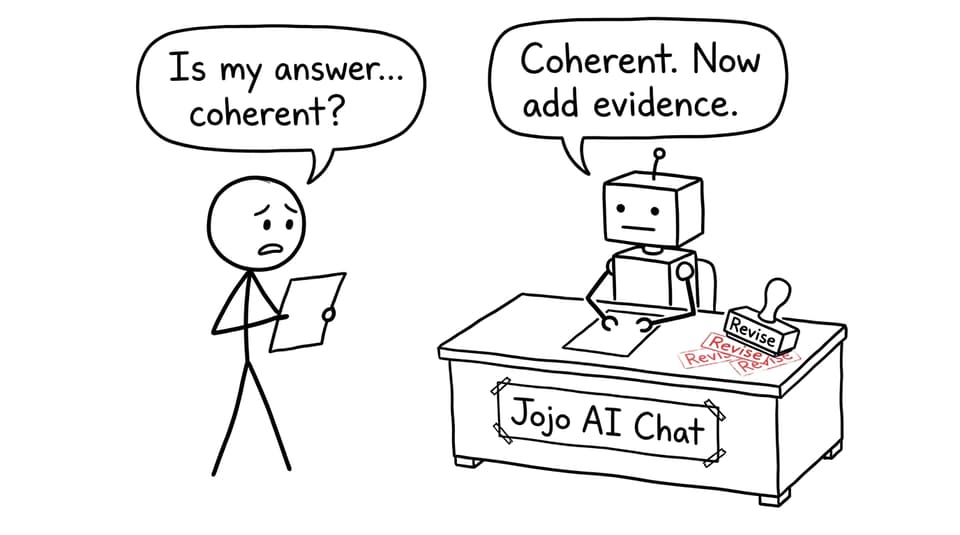
When you want a quick, focused way to get unstuck, students often combine platform support (AI explanations and analytics) with a human layer. RevisionDojo includes both: AI Chat plus the option of Tutors and support through RevisionDojo when you need deeper guidance.
You understand that exam performance is a separate skill
Some students know the content and still underperform. Because IB exam technique is its own language: command terms, structure, time allocation, and mark-awarding logic.
If you are willing to train that skill deliberately, you are ready for IB exams. It is not glamorous, but it is learnable.
A practical way to train it is timed practice that mirrors the real experience. RevisionDojo supports this with IB Predicted Papers and the strategy guidance in IB Predicted vs Specimen Papers: What They Mean.
A quick self-assessment (2 minutes)
Answer honestly:
-
Can I keep six IB subjects moving forward each week?
-
Can I write, revise, and improve when feedback is uncomfortable?
-
Do I have a system for deadlines (even a simple one)?
-
Can I practise under time pressure without panicking every time?
-
When something is hard, do I adjust or do I avoid?
If you said “yes” to most, you are academically capable of IB. If you said “not yet” to a few, that is actually good news: you just found your training plan.
Closing: IB readiness is built, not granted
Being academically capable of the IB Diploma is rarely a single trait you either have or lack. It is a collection of small habits: switching between subjects, revising with feedback, practising under time, and staying consistent when motivation disappears.
If you saw yourself in several of these signs, you are ready for IB. If you saw gaps, you are still ready--because gaps are exactly what preparation is for.
When you want to turn readiness into results, build one steady loop: learn with Study Notes, retain with Flashcards, apply with the Questionbank, and pressure-test with Predicted Papers and Mock Exams. RevisionDojo brings those pieces together, plus AI Chat, Grading tools, a Coursework Library, and Tutors when you need a human voice.
Start small today. Choose one IB topic. Practise it the way the exam demands. Then repeat tomorrow.