


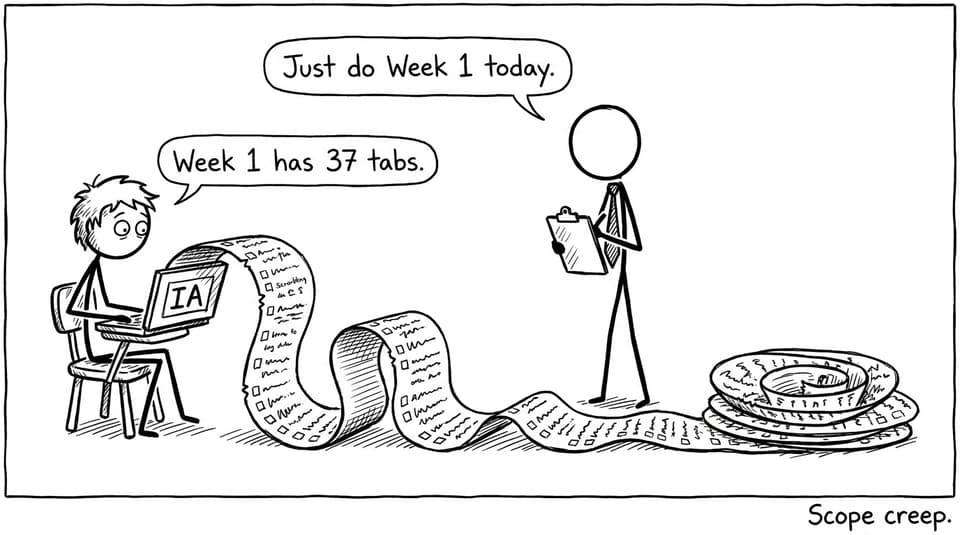
If your IA feels like it can expand forever, you’re not imagining it. An IA is one of the only IB tasks that can grow quietly: one more source, one more trial, one more prettier graph. And then one day you look up and it’s exam season.
The good news is that a strong IA rarely comes from heroic late nights. It comes from a calm time budget, a few smart checkpoints, and a willingness to stop when the work is “mark-ready,” not “perfect.” This guide will help you decide how much time to spend on your IA, where those hours should go, and how to protect exam prep without sacrificing quality.
The realistic answer: how long an IA takes
Most IB students land in the 20-30 hour range for one IA from start to submission, assuming the research question is feasible and you’re not rebuilding your method halfway through. Some subjects and approaches run longer, but if you’re consistently crossing 35+ hours, it’s usually a sign of one of these issues:
-
The IA topic is too broad or too ambitious for the timeframe
-
You’re doing extra work that doesn’t translate into rubric marks
-
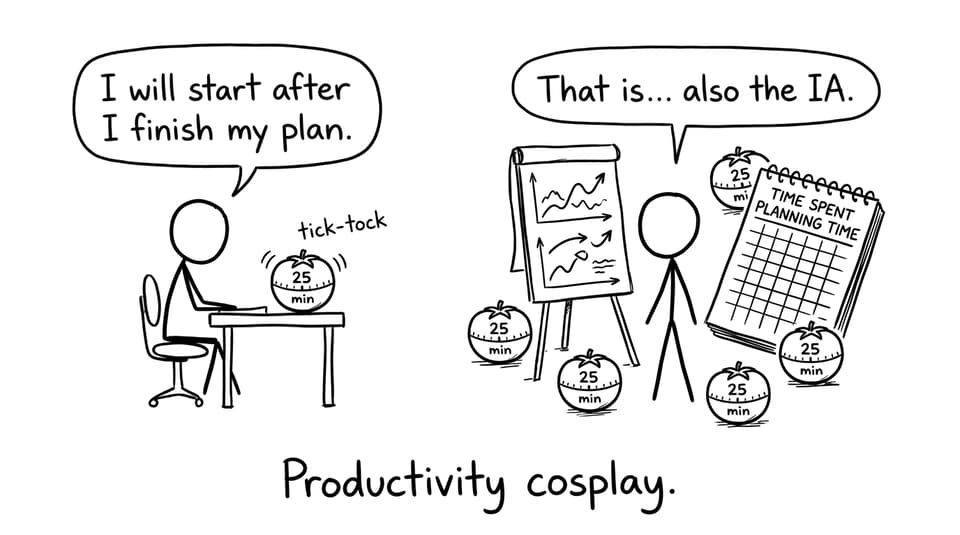
You’re stuck in “planning mode” and not producing assessable writing
-
You’re rewriting sections repeatedly because the structure was unclear
If you want a quick benchmark, aim for 2-3 focused hours per week for 6-10 weeks. That pace keeps your IA moving while still leaving room for exams, quizzes, and life.
For subject-specific guidance and rubric alignment, start with IB IA Guides: Internal Assessment Structure, Rubrics & Tools.
IA time budget checklist (save this)
Use this checklist as your default IA time plan:
-
3-5 hours: topic choice + research question + feasibility check
-
2-3 hours: outline + method plan + data plan
-
8-10 hours: data collection + organisation
-
8-10 hours: writing + analysis + evaluation
-
2-3 hours: revisions + citations + final polish
That totals about 23-31 hours, which fits the reality for most students.
A stage-by-stage IA timeline that actually works
Topic + research question (3-5 hours)
This stage is small, but it decides everything. A good IA question is like choosing a hiking route: you don’t need the prettiest path, you need the one you can finish.
Spend your first hour brainstorming, but spend the next hours doing a “scoreability test”:
-
Can you explain your IA in 60 seconds without notes?
-
Do you know what data you will have by the end of week 2?
-
Can you name the analysis you’ll use (not just “I’ll analyse it”)?
If you’re unsure, read How to Write a Strong IA Research Question and pressure-test your idea before you commit.
Plan the structure before you chase perfection (2-3 hours)
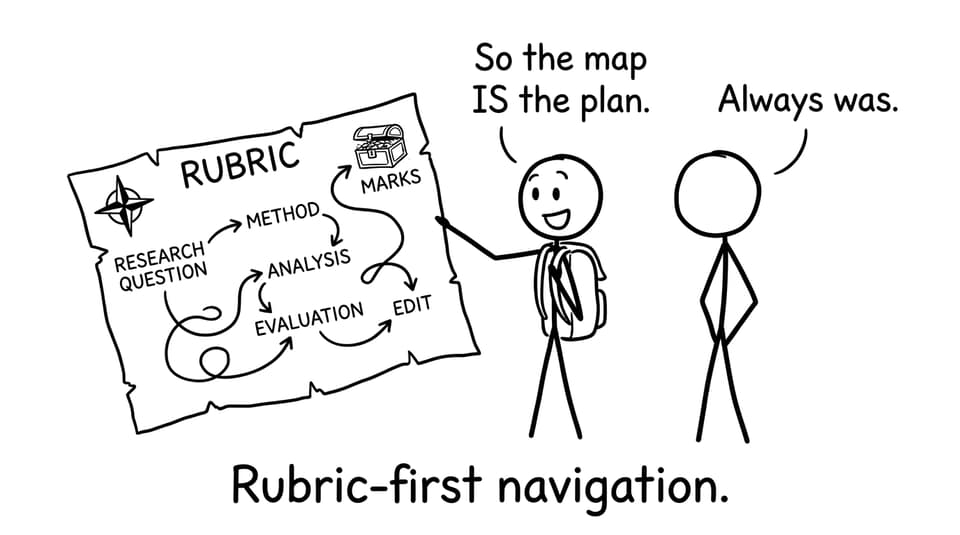
The fastest way to waste IA time is to write paragraphs before you know what each section must prove. A better approach is “rubric-first”: outline using what the examiner awards marks for.
A practical way to do this on RevisionDojo:
-
Use the Coursework Library to look at exemplars for your subject and spot what earns marks
-
Use AI Chat to ask: “What would a top-mark evaluation paragraph include for this method?”
-
Use Study Notes and Flashcards to lock in required terminology so your writing stays precise
If you want a clean model for pacing your weeks, skim Time Management Strategies for Completing Your IA on Schedule.
Data collection + organisation (8-10 hours)
This is where students either stay efficient or disappear into the lab forever.
Set a rule before you start: collect only the data you can meaningfully analyse and evaluate. Extra trials can help reliability, but only if you have time to interpret them clearly.
A tight breakdown that works for many IA types:
-
6-8 hours: collecting data (or gathering sources, running surveys, completing trials)
-
2 hours: organising tables, graphs, cleaning anomalies, noting limitations as you go
If your IA is math-focused, you may benefit from a subject-specific lens like How to Manage Time Effectively While Writing Your IB Math IA.
Writing + analysis + evaluation (8-10 hours)
Students often underestimate this stage because writing feels “fast.” But good IA writing isn’t typing speed. It’s decision quality.
Aim for:
-
2-3 hours: introduction + method written clearly and concisely
-
4-5 hours: analysis (graphs, calculations, patterns, explanations)
-
2 hours: evaluation (limitations, improvements, impact on conclusions)
If you want to see what “clear” looks like, an exemplar can help you calibrate. For Psychology students, Psychology IA IB Tips: A Clear Guide to Crafting Your Internal Assessment is useful for structure and tone.
Editing + formatting (2-3 hours)
Editing is where marks quietly appear. You notice the missing link between method and analysis. You fix unclear variable definitions. You tighten your evaluation so it’s not just descriptive.
Two helpful RevisionDojo moves here:
-
Run your draft through Grading tools for criterion-by-criterion feedback
-
Use AI Chat to ask: “Which sentences are descriptive rather than analytical?”
If you’re struggling with workload balance, use How to Create a Balanced IB Study Schedule to protect both IA progress and exam revision.
The two biggest IA time traps (and how to avoid them)
First trap: endless research. If you keep reading but haven’t written your method or analysis plan, you’re delaying the real work. Cap research with a clear rule: once you can justify your approach and define variables, move on.
Second trap: perfect formatting too early. A beautiful graph that supports weak analysis is still weak. Draft first, polish later.
To keep your IA from stealing exam time, set one weekly session where you also do exam practice on RevisionDojo’s Questionbank and then return to your IA with a clearer sense of what “good explanation” looks like under pressure. If you’re unsure what to prioritise as exams approach, Best Revision Order Based on the IB Exam Schedule helps you plan your weeks without panic.
A calm way to finish your IA without burning out
Your IA doesn’t need unlimited time. It needs a clear question, a feasible method, and writing that proves you understand your choices. When you plan for 20-30 hours and spend them where marks are actually earned, the IA becomes manageable again.
If you want to work faster with more confidence, build your IA workflow inside RevisionDojo: use the IA Guides for structure, the Coursework Library for exemplars, AI Chat for rubric-aligned clarity, Grading tools for targeted improvements, and Flashcards and Study Notes to keep your terminology sharp. Then keep exam prep moving with the Questionbank, Predicted Papers, and Mock Exams so coursework progress never costs you final performance.
When your IA has a budget, it stops feeling like a maze and starts feeling like a plan.