


A quick story you already know (and probably hate)
You walk into a store to buy something boring: water, cereal, a USB cable. Two products have nearly identical features and price. Yet your hand reaches for the one with the sharper design, clearer label, or satisfying “click” when you close it.
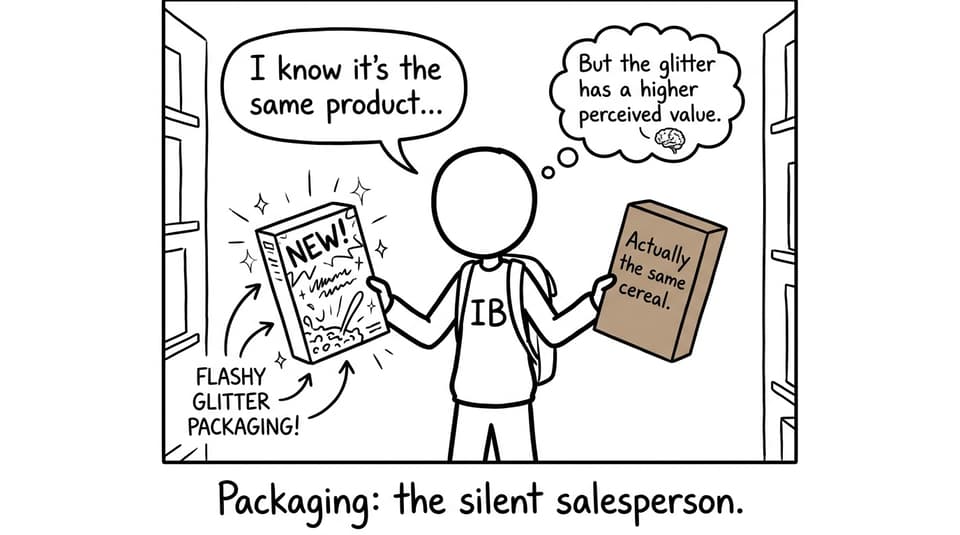
That moment is exactly what IB Business Management calls product appeal in action. Packaging is not decoration. It is a silent salesperson that shapes perceptions, reduces uncertainty, and nudges a customer toward “yes” before they have even compared specs.
Packaging influence checklist (exam-ready)
Use this short checklist when you see packaging in a case study for IB Business Management:
-
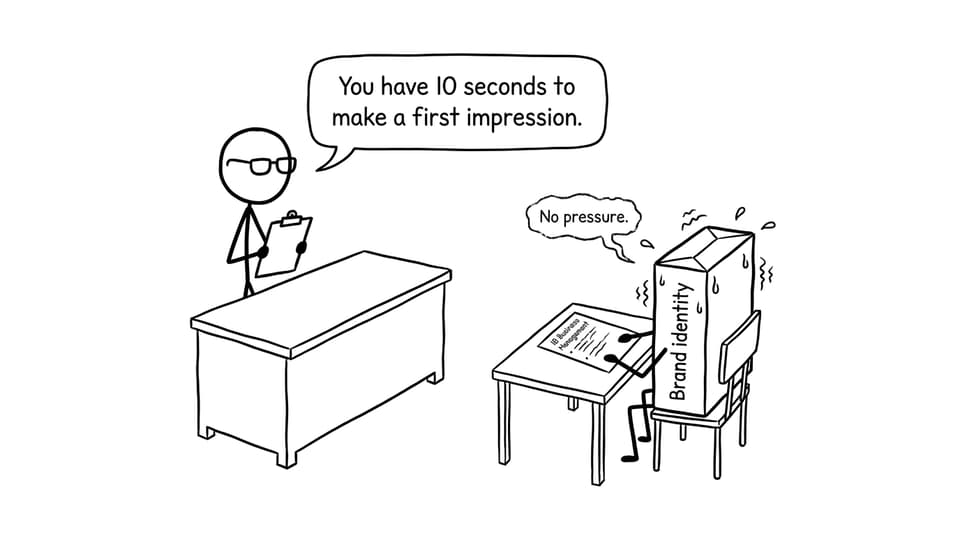
Visual impact: color, shape, typography, shelf standout
-
Information: clarity, trust signals, instructions, claims
-
Brand reinforcement: recognition, consistency, positioning
-
Emotional response: nostalgia, excitement, sustainability cues
-
Functionality: easy open, resealable, portable, durable
-
Differentiation: uniqueness when products feel “similar”
To connect it to syllabus language, anchor your analysis in the Product element of the marketing mix. If you need a refresher, RevisionDojo’s 4.5 The seven Ps of the marketing mix is the cleanest place to start.
Visual appeal: the 3-second decision
In IB Business Management, visual appeal is a form of positioning. Packaging signals quality when customers lack time (or motivation) to analyze. Premium finishes can imply luxury. Minimalist design can imply “clean” or “eco.” Bright colors can imply fun, energy, or youth.
In an exam response, don’t just say “it looks nice.” Say what it communicates to the target market and how that could affect sales. This is where practice helps: use RevisionDojo’s 4.1 Introduction to marketing Questionbank to drill short, applied paragraphs.
Information clarity: reducing perceived risk
Great packaging works like a tiny, portable FAQ. It answers: What is it? How do I use it? Why should I trust it? When information is clean and credible, customers feel safer choosing the product.
That connects to IB Business Management ideas about customer confidence and decision-making. In data response questions, you can argue that clearer labeling reduces confusion, builds trust, and may improve repeat purchase rates.
For structured notes on marketing planning and messaging, see Marketing planning notes.
Brand reinforcement: recognition beats persuasion
The most effective packaging sometimes feels “boring,” because it is consistent. Logos, colors, and shapes that repeat over time create familiarity, and familiarity reduces thinking.
In IB Business Management, that’s brand equity in the real world: customers spot the brand faster, feel they know what to expect, and are less likely to switch.
To link this to exam technique, practice building evaluation: benefits (loyalty, recognition) vs drawbacks (redesign costs, risk of alienating current customers). RevisionDojo’s IB Business Management marks format explained helps you match depth to mark bands.
Functionality: the part students forget (until they’re mad)
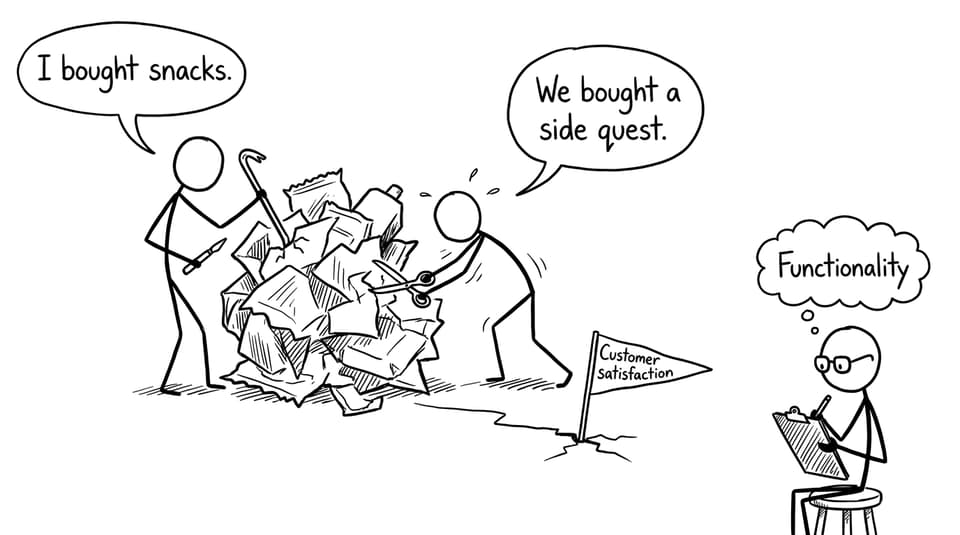
Packaging is also part of the customer experience. Resealable bags, easy-open tabs, protective inserts, and portability can raise satisfaction. Frustrating packaging creates negative emotion that transfers to the brand.
In IB Business Management, you can frame this as a long-term impact: a slightly higher packaging cost might reduce complaints, returns, and lost customers.
How to write it in an IB answer (fast)
A simple structure for IB Business Management exam questions:
-
Define packaging as part of the product strategy and marketing mix
-
Apply to the case (target market, distribution channel, competition)
-
Analyze one mechanism (visual appeal, information, emotion, functionality)
-
Evaluate trade-offs (cost, sustainability, brand consistency, operations)
If you want a bigger strategy view, start from Unit 4: Marketing Management and then test yourself using the Questionbank.
Closing: packaging is strategy you can hold
In IB Business Management, packaging is one of the clearest examples of how small choices shape big outcomes. It changes what customers notice, what they trust, and what they remember. If you can explain those mechanisms calmly, with case-specific application and one balanced evaluation point, you’re already writing like a top-band student.
To lock it in, revise the concepts with RevisionDojo’s IB Business Management resources hub, then practice under pressure using the Questionbank, Flashcards, AI Chat, Grading tools, Predicted Papers, Mock Exams, and the Coursework Library. If you want personal feedback, RevisionDojo Tutors can help you turn “good ideas” into exam-ready paragraphs.


