



Introduction
The first time most students realize the IB is different is not during an exam. It’s on a random Tuesday night, when you’re switching tabs between an IA draft, six subject folders, and a CAS reflection you swear you already wrote.
In that moment, motivation doesn’t feel like a personality trait. It feels like a resource. And like any resource in the IB, it runs low when the system is messy.
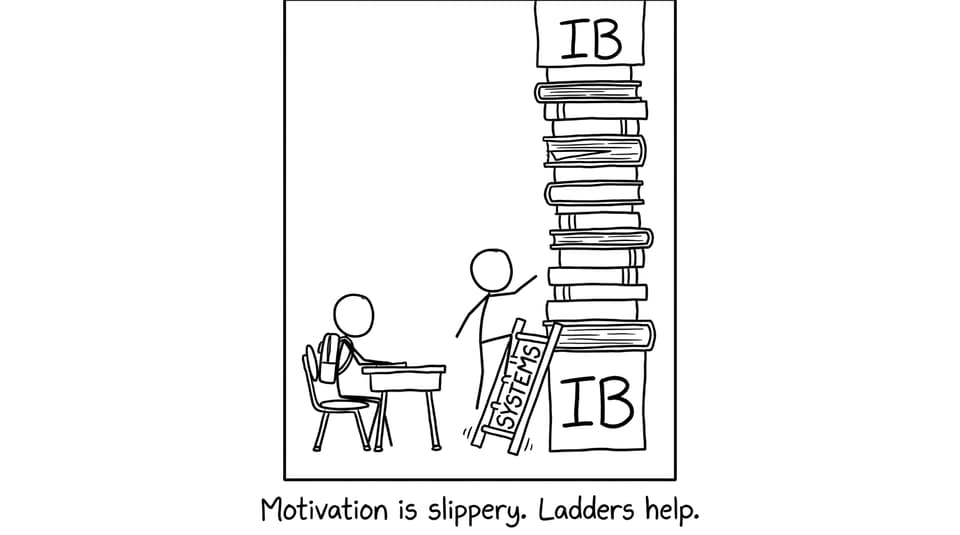
Here’s the calmer truth: you don’t need endless motivation to survive the IB. You need a few repeatable strategies that keep you moving even when your feelings don’t cooperate.
A quick IB motivation checklist (save this)
If your IB motivation is low today, use this short reset:
-
Choose one subject and one next task (small enough to start).
-
Set a 25-minute focus timer.
-
Do active recall: flashcards or questions, not rereading.
-
Log one measurable win (accuracy %, questions done, paragraph drafted).
-
Decide tomorrow’s first task before you stop.
If you need a structured loop, RevisionDojo’s workflow is built for it: Study Notes for fast clarity, Flashcards for daily recall, Questionbank for exam practice, AI Chat for quick explanations, plus Grading tools, Predicted Papers, Mock Exams, a Coursework Library, and Tutors when you need deeper feedback. A good starting point is the How to Study for IB Exams: Step-by-Step Guide.
Why motivation drops in the IB (and why that’s normal)
In the IB, motivation often disappears for boring reasons: decision fatigue, unclear next steps, and a workload that feels like it has no edges.
You might also be dealing with comparison, perfectionism, or the feeling that you’re “behind” even when you’re working constantly. That isn’t laziness. It’s pressure mixed with ambiguity.
The strategies below are designed to reduce ambiguity first. Motivation usually returns after your brain sees proof that effort is turning into progress.
9 real strategies to stay motivated during the IB
Make your “why” personal, not performative
A lot of IB students set goals that sound impressive but don’t energize them.
Instead of “I want a 7,” try a why that’s emotionally specific:
-
“I want to feel calm walking into my exams.”
-
“I want to prove I can finish what I start.”
-
“I want options after graduation, not panic.”
Write it somewhere visible. Not for inspiration quotes, but for direction. When you’re tired, direction beats hype.
Shrink the IB into weekly milestones
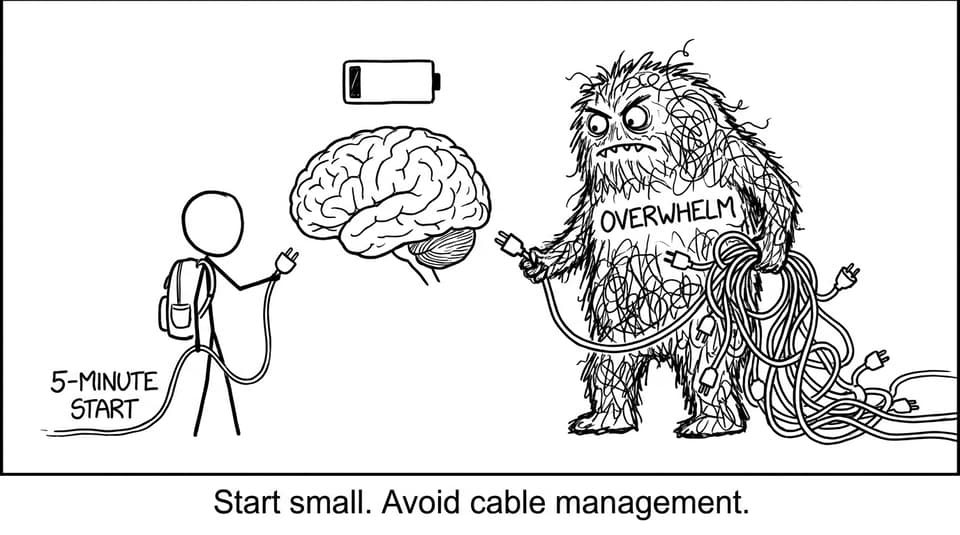
The IB feels impossible when it’s one giant blob of responsibilities. So give it borders.
Pick 2-3 weekly milestones that are concrete:
-
“Draft the EE intro and one body paragraph.”
-
“Finish one topic in Biology and do 25 questions.”
-
“Complete my IA methods section and get feedback.”
If you want a realistic template, use What’s a Realistic IB Study Plan for a 6 in Each Subject? as a reference and adapt it to your deadlines.
Use time boxes (motivation loves an end time)
Your brain avoids tasks that feel endless. Time boxing fixes that.
Try the Pomodoro rhythm: 25 minutes focused, 5 minutes break, then repeat. It’s simple, but it changes how the work feels.
For a step-by-step setup, see How to Revise for IB Math Using the Pomodoro Technique. Even if you’re not revising Math, the method works across the IB.
Build a “minimum viable day” for IB revision
On your best days, you’ll do deep work. On your worst days, you need a minimum that still counts.
A sustainable IB minimum might be:
-
10 minutes of flashcards
-
10 targeted questions
-
5 minutes reviewing mistakes
This is exactly where tools help: RevisionDojo Flashcards keep recall alive, the Questionbank gives you targeted practice, and the analytics make even small effort visible.
Track progress in a way you can’t argue with
Motivation improves when you can see movement.
Track one metric per subject:
-
Accuracy % in practice questions
-
Number of timed responses completed
-
A list of “mistakes I stopped making”
RevisionDojo’s performance tracking and feedback loops make this easier because you don’t have to guess what improved. If you want a broader burnout-safe approach, read How to Study for IB Exams Without Burning Out.
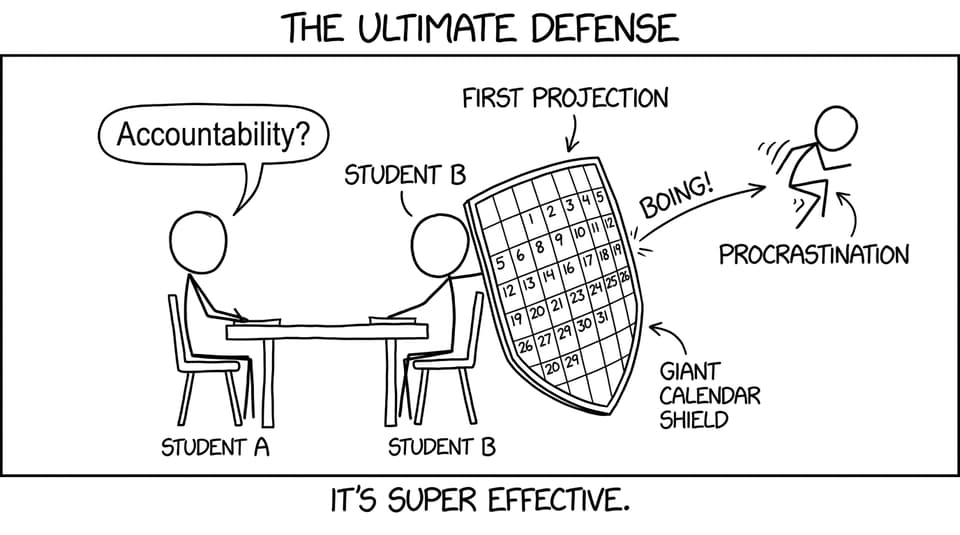
Use accountability that feels kind, not intense
Accountability is not someone yelling “study.” It’s someone making the next step harder to avoid.
Good options in the IB:
-
A weekly check-in with a friend (swap goals, not gossip)
-
A teacher you update every Friday
-
A tutor who helps you plan and review your errors
RevisionDojo’s Tutors can help here because accountability works best when it includes diagnosis: why you’re losing marks, not just that you’re studying.
Make studying feel like practice, not punishment
When motivation is low, switch from “study more” to “practice smarter.”
A strong IB session often looks like:
-
10 minutes: Study Notes on one subtopic
-
30 minutes: Questionbank practice on that same subtopic
-
10 minutes: review mistakes and create 3 flashcards
If you want an all-in-one overview of the platform loop, see RevisionDojo App: The Smarter Way to Prep for IB Exams.
Rehearse exam pressure in small doses
Motivation spikes when anxiety turns into evidence.
Once a week, do one timed block:
-
a timed section
-
a short mixed-topic set
-
a full Mock Exam when you’re closer to exams
RevisionDojo’s Mock Exams and Predicted Papers are designed for this because they give you structure, timing practice, and feedback that points to the next fix. If you’re unsure how to build timing into your routine, How to Study for IB Mocks (Without Burning Out) is a practical guide.
Ask for help early (before the spiral)
In the IB, the spiral usually looks like this: confusion leads to avoidance, avoidance creates backlog, backlog creates shame, shame kills motivation.
Break it early. If you’re stuck:
-
Use RevisionDojo AI Chat to clarify one concept fast
-
Use Grading tools to get rubric-aware feedback on written work
-
Use the Coursework Library to reduce uncertainty about what “good” looks like
-
Ask a teacher or tutor to help you prioritize
If your day-to-day habits feel off, the guide What Are Healthy Study Habits for Balancing IB and Life? is a good reset.
Conclusion: motivation follows evidence
Staying motivated during the IB is less about feeling inspired and more about building a system that keeps producing proof: small wins, clearer next steps, and fewer repeated mistakes.
If you want that system in one place, RevisionDojo is built for the full IB journey: Questionbank, Study Notes, Flashcards, AI Chat, Grading tools, Predicted Papers, Mock Exams, a Coursework Library, and Tutors to keep you moving when it gets heavy.
Pick one strategy from this article and run it for seven days. In the IB, consistency is not a personality. It’s a setup.